Defendant seeks postponement of Texas County capital murder trial
A defendant asked to delay his June 1 capital trial, saying late discovery has hindered preparation; the case will shape local court resources and community closure.

A defendant in the high-profile Texas County murder case filed a motion on Jan. 9 asking the court to postpone the capital trial currently set to begin June 1, 2026. Tad Cullum and co-defendant Cole Twombly face multiple charges tied to the disappearance and deaths of Veronica Butler and Jilian Kelley in March 2024. The state has announced plans to seek the death penalty on the murder counts, raising the stakes for scheduling and preparation.
Cullum’s motion argues that defense counsel did not begin receiving discovery until August 2024 and expects additional discovery to arrive. The filing says the current schedule does not give counsel sufficient time for investigation and trial preparation to provide effective representation. If the court grants a continuance, the change would affect the county’s trial calendar and could delay a verdict in a case that has drawn sustained local attention.
The prosecution’s decision to pursue capital punishment makes this more than a routine scheduling dispute. Capital cases typically involve additional pretrial procedures, broader evidentiary exchanges and a bifurcated trial structure if a conviction is reached. Those factors extend preparation time for both sides, and they increase demands on the county’s criminal justice infrastructure: judges, prosecutors, public defenders, probation officers and jury services all must accommodate a lengthier, more complex process.
For residents of Texas County, the motion and any resulting delay carry immediate consequences. Victims’ families may see further postponement of a resolution they have awaited since March 2024, while neighbors face prolonged media attention and recurring court activity downtown. The county courthouse will likely remain a focal point for public interest, and local officials must balance timely adjudication with the legal protections defendants are entitled to.
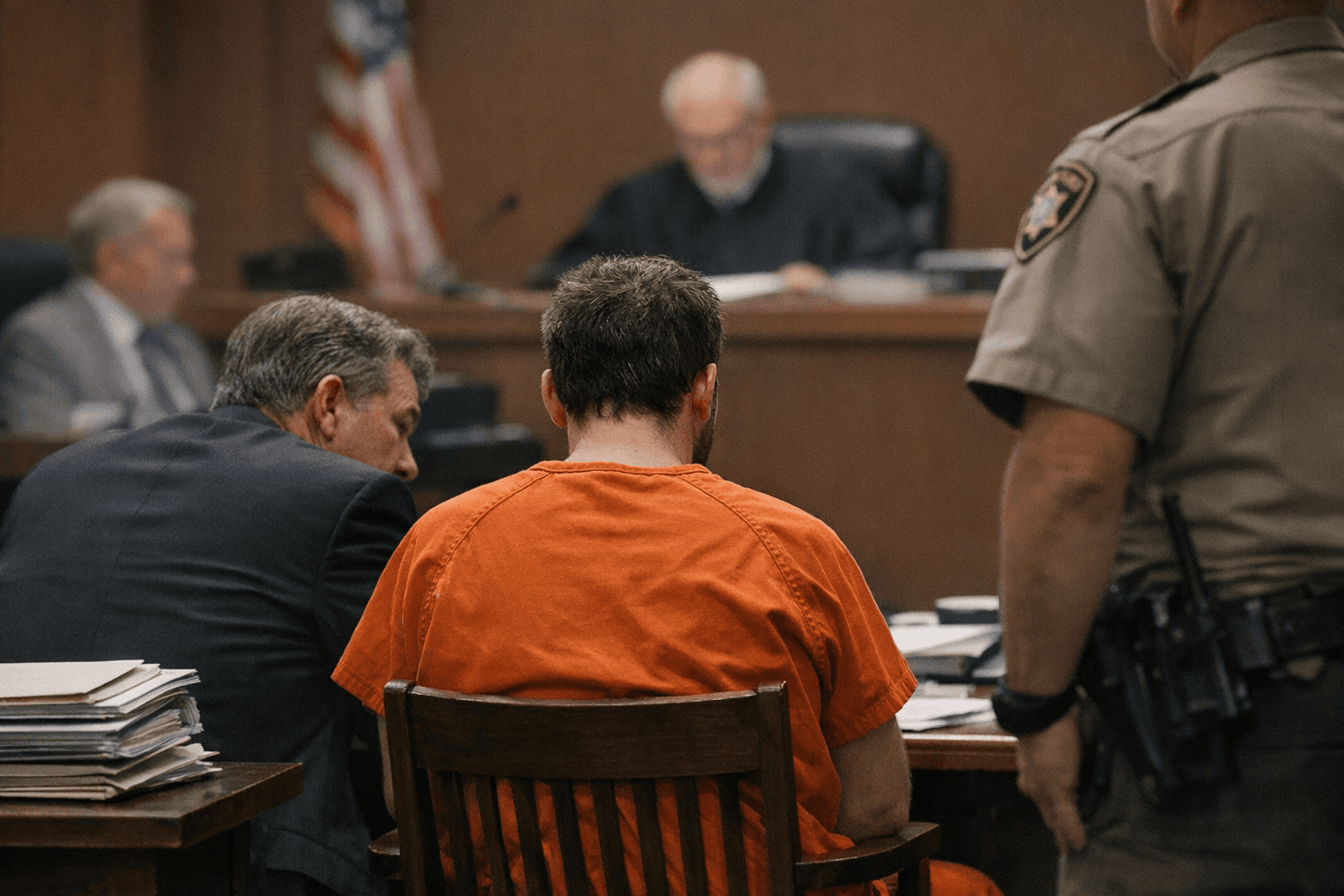
Practical effects also include the potential need to summon jurors multiple times and to allocate courthouse space and staff for extended pretrial hearings. A continuance could ease pressure on defense teams attempting to review late-arriving discovery, but it would also prolong uncertainty for the broader community that wants a thorough and fair process.
The court must now consider Cullum’s motion and decide whether to keep the June 1 trial date or push it back to allow more time for defense preparation and any additional discovery. Expect procedural hearings as the judge evaluates the competing interests of speedy adjudication and effective counsel.
Our two cents? This is where civic patience and vigilance meet the legal system: follow court notices, keep an eye on hearing dates, and remember that ensuring proper process—even when it takes longer—is part of getting a fair outcome for everyone involved.
Sources:
Know something we missed? Have a correction or additional information?
Submit a Tip