Delhi Plunges Into Season Worst Smog, Authorities Invoke Stage Four
New Delhi and surrounding districts were placed under Stage Four air quality restrictions on December 14, after readings rose to the worst levels of the season, triggering tightened controls and urgent health warnings. The surge in fine particle pollution underscores persistent gaps in emissions control, and poses immediate threats to vulnerable communities and local health services.
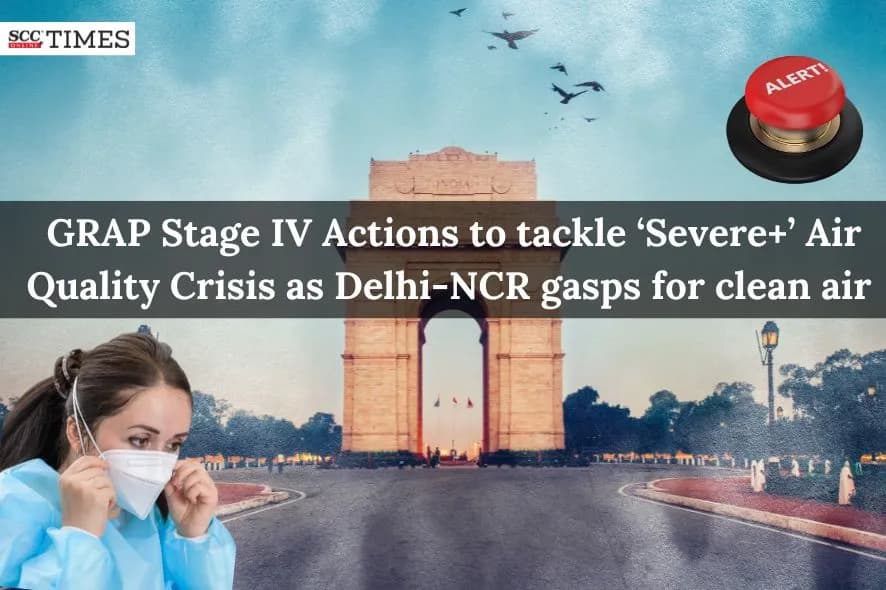
The city woke on December 14 to a thick pall of smog as the Commission for Air Quality Management invoked Stage Four of the Graded Response Action Plan for New Delhi and adjoining areas, according to an environment ministry advisory. The alert, the highest under the GRAP framework, was activated after several monitoring stations recorded air quality in the severe range and authorities tightened anti pollution restrictions across the capital region.
The Central Pollution Control Board recorded an air quality index reading of 459 for the city, with other monitoring sites posting values in the 400 to 450 range. Additional short term measurements showed extreme spikes in fine particulate matter, with PM2.5 concentrations reaching as high as 829.2 micrograms per cubic metre at times, a level more than eighty times the World Health Organization annual guideline. Visibility dropped and daily life was visibly affected, captured in a photograph showing low visibility along the Yamuna and a man having his head shaved on the riverside amid dense smog.
Officials attributed the deterioration to a mix of local emissions and atmospheric conditions that trap pollution near the ground. Sectoral estimates from monitoring firm IQAir indicate that roughly 18.6 percent of Delhi’s total air pollution is linked to the industrial sector, while transport and industry together remain major contributors. The government’s National Clean Air Programme aims to cut pollution in 102 of the most polluted cities by between 20 and 30 percent by 2024, a target that now faces renewed scrutiny given recurrent seasonal crises.
The invocation of Stage Four theoretically triggers the strictest set of measures under GRAP, meant to curb industrial activity, limit construction dust, restrict non essential vehicle use and reduce other emissions sources until conditions improve. Details on the specific measures to be enforced locally, the timelines for implementation and the mechanisms for compliance remain critical follow up issues for authorities and the public. Health services and clinics are bracing for increased demand as residents report respiratory distress and other pollution related symptoms, but consolidated hospital impact data was not available on Monday.
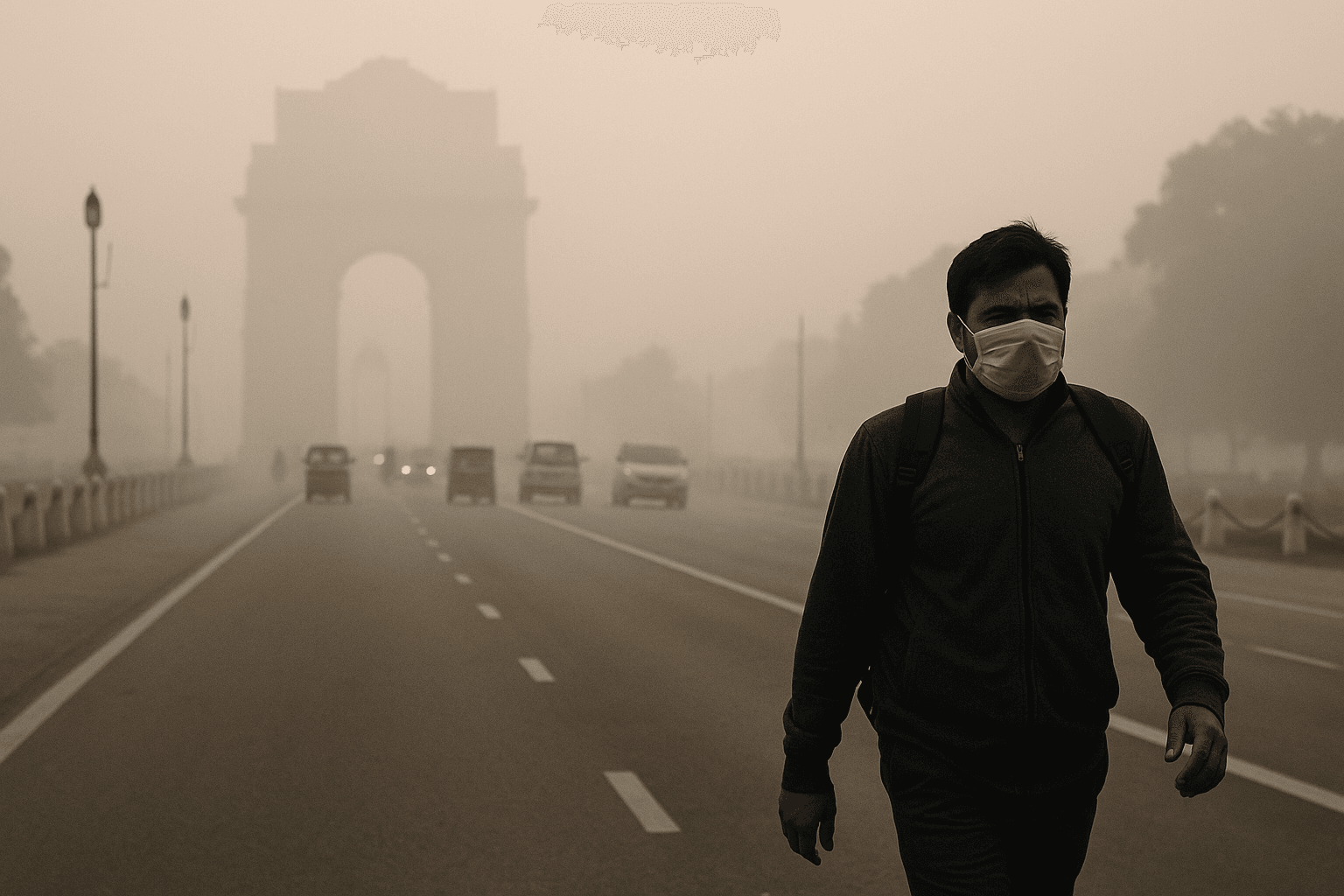
Beyond the immediate respiratory and cardiovascular risks, the episode highlights longstanding equity concerns. Low income neighbourhoods and informal settlements often face higher baseline exposure to pollution, poorer access to healthcare and fewer resources to protect themselves during acute episodes. Children, older adults and people with chronic illnesses are disproportionately affected, amplifying the social and economic toll of each seasonal spike.
Longer term, policymakers face the question of how to sustain stringent controls without stalling livelihoods. International experience shows that significant air quality improvements are possible alongside economic growth when sustained regulation, cleaner fuels, and investments in public transit and industry controls are prioritized. For Delhi, the latest crisis is a test of whether the policy packages under NCAP and GRAP can be translated into effective, equitable action on the ground, and whether rapid response plans will be paired with structural reforms that reduce recurring harm to the city’s most vulnerable residents.
Sources:
Know something we missed? Have a correction or additional information?
Submit a Tip