Delivery of New Air Force One Slips to Mid 2028, Pentagon Says
The U.S. Air Force announced on Dec. 12 and 13, 2025 that the first of two new presidential aircraft built by Boeing will now arrive around mid 2028, extending a program already widely described as years behind schedule. The delay sharpens scrutiny of procurement practices, fixed price contracting risks, and the narrow window for any administration seeking to use the new plane before January 2029.
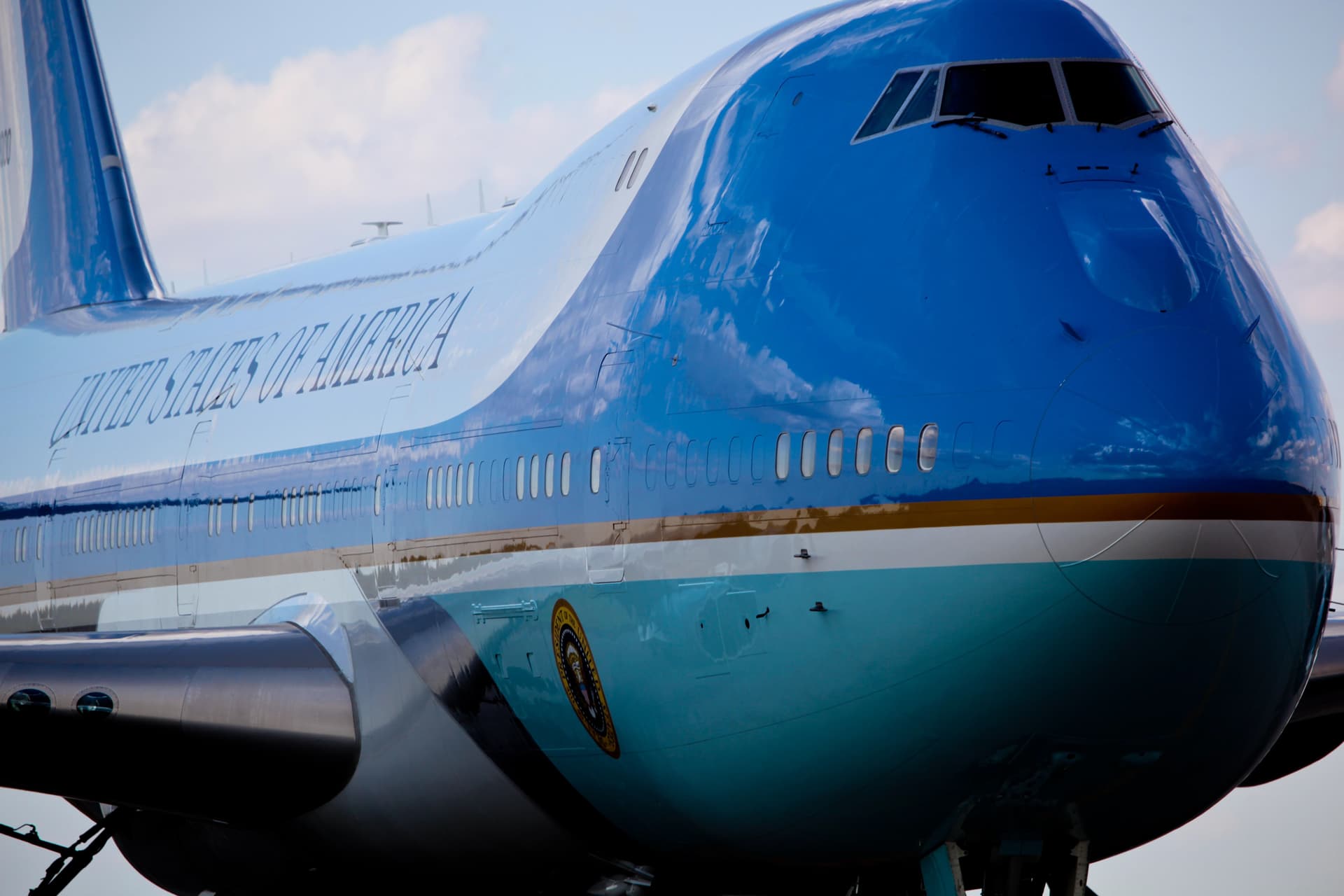
The Air Force formally revised its delivery estimate for the first of two Boeing conversions of 747 8 airliners to about mid 2028, saying the change “is the result of continuing discussions between Boeing and the Air Force.” The announcement on Dec. 12 and 13, 2025 represents the latest schedule slip in a program that has missed multiple earlier milestones.
Boeing, which won the contract in 2018, issued a public statement saying it is “making progress” and that its “focus is on delivering two exceptional Air Force One airplanes for the country.” Reuters and other outlets reported the company had previously proposed a 2027 handover. The targeted mid 2028 delivery therefore pushes completion further past original contractual expectations, which Bloomberg identified as a December 2024 milestone.
The project converts two 747 8 airliners into specialized presidential transports designated in some coverage as VC 25B. The program has become a case study in the challenges of complex defense and government aviation work, intersecting engineering obstacles, supply chain strain, and labor shortfalls. Reporting has tied the program’s financial strain to fixed price contracting, with one summary citing cumulative losses of about $2.4 billion through the third quarter of 2023, and other coverage placing the broader presidential airlift replacement effort in a multibillion dollar range.
Observers and outlets differ on how many years the program is behind, with some calling it roughly three years late based on the 2024 deadline, and others citing four or five years depending on different baselines. That variation underscores a point for oversight officials and lawmakers, who must choose a consistent frame when evaluating contractor performance and scheduling risk.
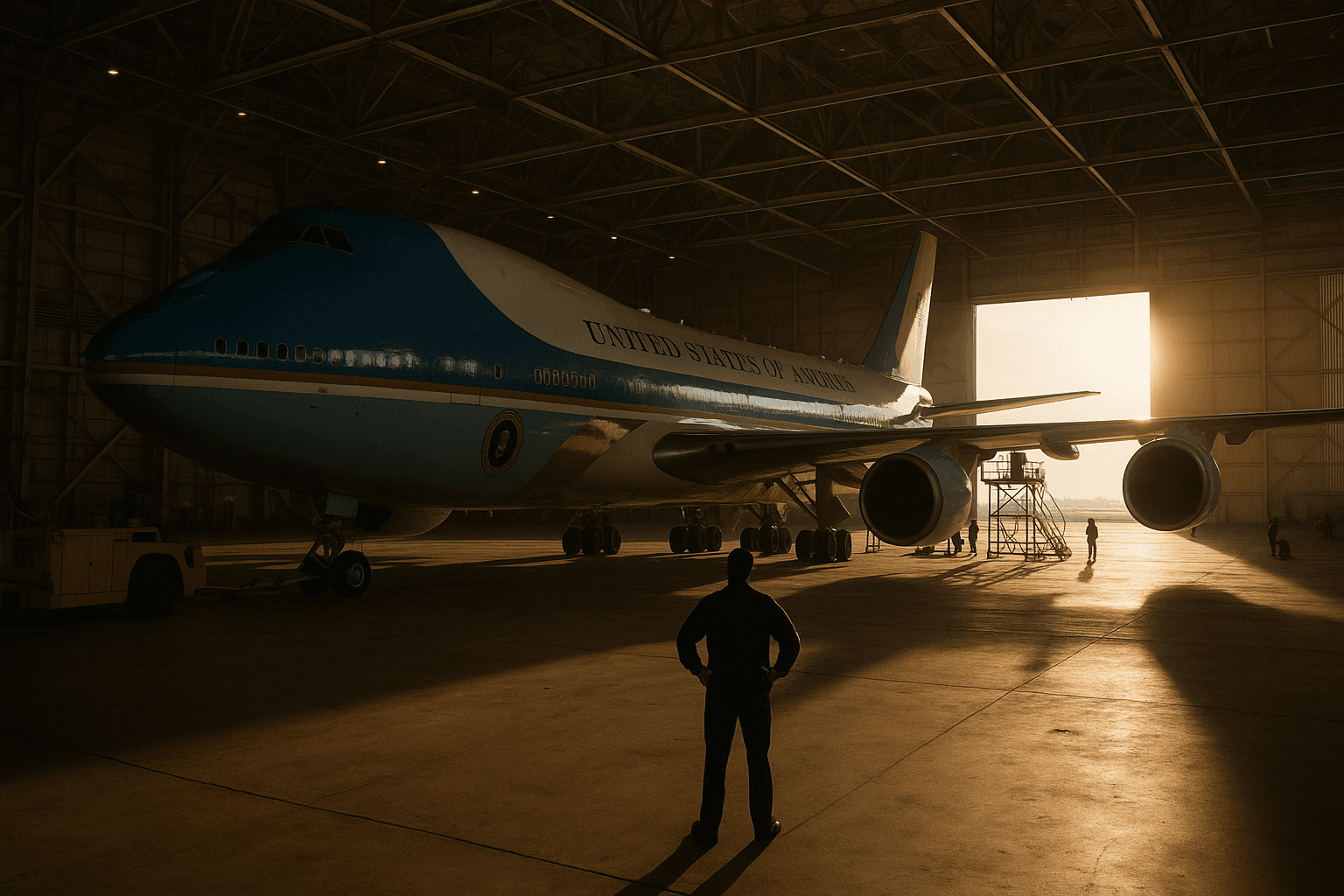
The delay carries practical and political implications. The White House timeline matters to any president who wishes to travel on the new aircraft before leaving office. Reporting noted that President Donald Trump had expressed frustration with Boeing in public remarks earlier in the year while saying he would not consider Airbus as an alternative. Reuters also reported Boeing CEO Kelly Ortberg saying that Elon Musk, described as an adviser to Mr. Trump, was “helping us a lot” in navigating delivery issues.
Administratively, the Defense Department has adopted an interim solution. Officials tapped L3Harris Technologies to overhaul a Boeing 747 formerly used by the Qatari government to serve as a stopgap presidential transport while the VC 25B conversions proceed. That stopgap reduces immediate operational risk but does not eliminate the programmatic and fiscal questions now facing Congress and the Air Force.
For lawmakers and procurement watchdogs, the case raises familiar questions about the design of incentives in high value defense contracts, the adequacy of supplier and workforce planning, and the transparency of milestone reporting. As the Air Force and Boeing continue discussions, the mid 2028 date functions as a new anchor for oversight, with implications for budget projections, investor confidence in aerospace contractors, and the political calculus of any administration seeking to use the aircraft before January 2029.
Know something we missed? Have a correction or additional information?
Submit a Tip