DHS commits $115 million to counter-drone defenses for 2026 events
DHS approved $115 million for counter-drone systems ahead of the 2026 World Cup and US 250th Anniversary. Hobby flights and event NOTAMs may face stricter controls.
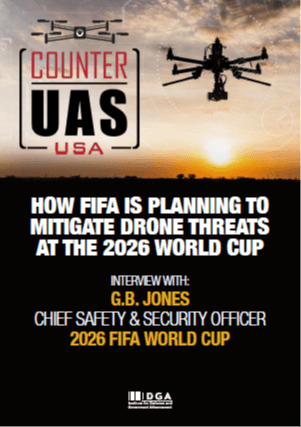
The Department of Homeland Security announced a $115 million investment in counter-unmanned aircraft systems to protect airspace around the 2026 FIFA World Cup and the United States’ 250th Anniversary events. The move expands federal spending on airspace defense as organizers and public-safety agencies prepare for millions of visitors and high-profile public gatherings.
The funding is aimed at a broad set of technologies that federal officials say are under active development and procurement. That roster includes detection and tracking systems, microwave and directed-energy technologies, and kinetic options. The announcement did not list specific vendors or systems. Separately, FEMA has already allocated $250 million to 11 states hosting World Cup matches for counter-drone purchases, signaling a multi-layered approach to event security.
For the drone racing community and event organizers the implications are practical and immediate. Expect expanded deployments of counter-UAS gear around stadiums, fan zones, and civic celebrations. That will increase airspace policing during major events and could make temporary flight authorizations more restrictive or more tightly enforced. Races, freestyle displays, and local festivals that rely on temporary flight areas will likely need deeper coordination with FAA air traffic managers, local law enforcement, and event security planners.

Operationally, pilots and race directors should plan earlier and assume more paperwork. File NOTAMs promptly and use LAANC where applicable. If you require waivers for beyond visual line of sight or other exemptions, begin conversations now with the FAA and venue officials. Expect requests for clear flight boxes, strict lost-link and geo-fence failsafes, and demonstration of pilot credentials and aircraft ID. Frequency management and spectrum awareness will also matter more if directed-energy or microwave countermeasures are active nearby; avoid flying in contested radio environments and review your failsafe settings before any sanctioned event.
Community venues and clubs can reduce friction by proactively briefing local authorities, documenting safety procedures, and offering controlled demonstration corridors away from high-profile venues. Insurance providers and event liability planners should be looped in earlier than usual. For racers running regional series during the World Cup and 250th Anniversary celebrations, consider backup dates or indoor options to avoid last-minute cancellations.

The broader trend is clear: large events will get layered airspace defenses, and hobby pilots will need to adapt operationally and administratively. Our two cents? Treat this like a race-day checklist for airspace: confirm your NOTAMs, lock down your failsafes, coordinate with authorities early, and keep a plan B ready. Fly smart and stay in the clear so your goggles stay on and not grounded by security priorities.
Sources:
Know something we missed? Have a correction or additional information?
Submit a Tip