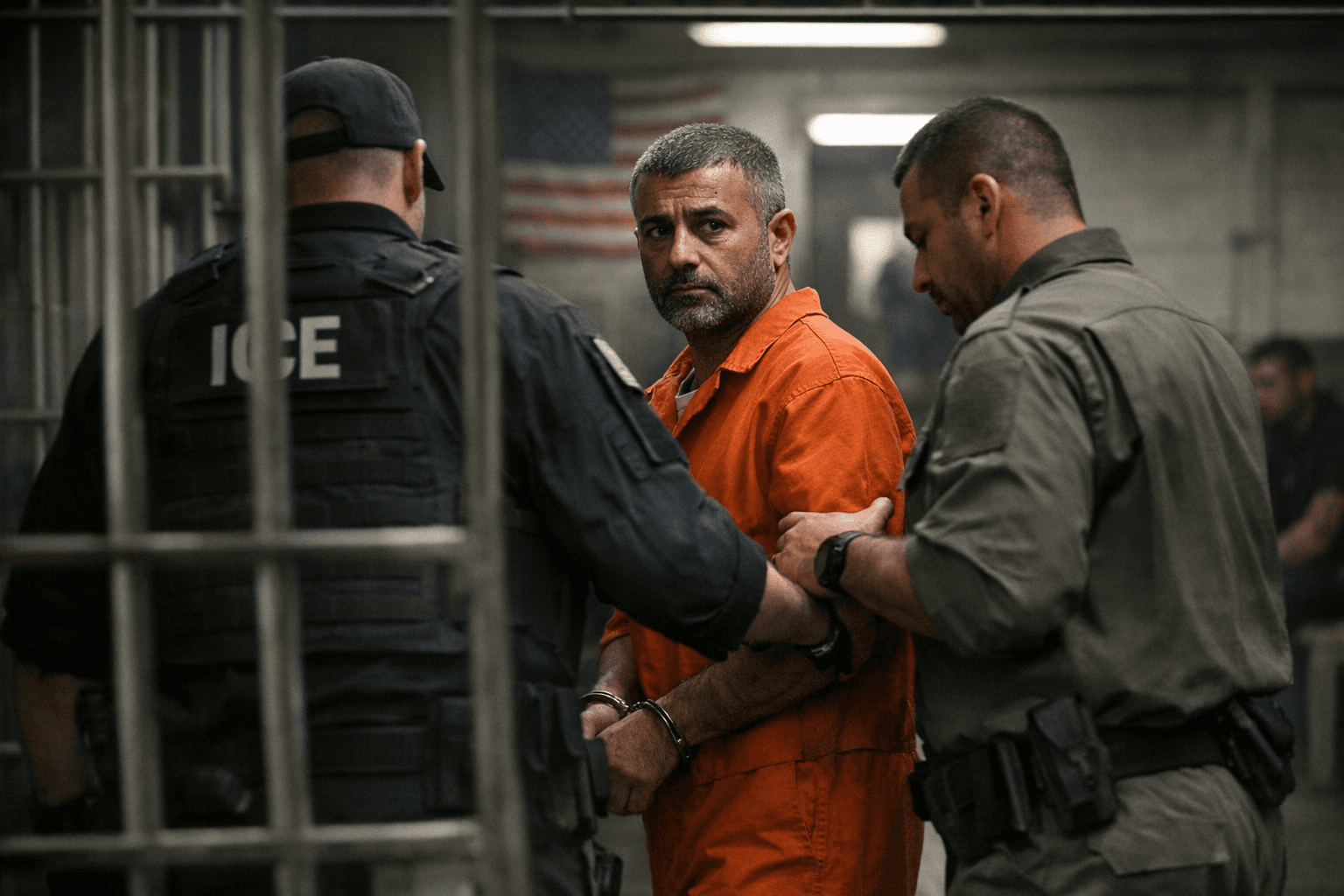
Dozen federal prosecutors depart DOJ over Minnesota shooting inquiry
At least a dozen DOJ attorneys are leaving over the department's handling of Renee Good's killing. The resignations raise questions about political pressure and investigative independence.

A wave of departures from the U.S. Justice Department has exposed deep fissures inside the agency after its handling of the fatal shooting of Renee Good by an Immigration and Customs Enforcement officer in Minneapolis. At least a dozen federal prosecutors have resigned or announced plans to leave, officials and current and former department staff say, a tally that reflects both immediate exits in Minnesota and senior personnel shifts in Washington.
First Assistant U.S. Attorney Joseph (Joe) Thompson, who led major fraud investigations in Minnesota, is among those who have left the U.S. attorney's office in Minneapolis. Multiple prosecutors from that office also resigned, producing what officials described as a significant depletion of experienced trial and supervisory capacity for a state handling complex criminal dockets. In Washington, at least four senior leaders in the Civil Rights Division's criminal section have resigned or given notice, according to people familiar with the departures.
The personnel moves followed internal disputes after department leaders moved to restrict Minnesota state investigators from participating in or accessing evidence in the federal inquiry into Good's death. Justice Department officials declared that Minnesota lacked jurisdiction to investigate the killing, and senior administration figures issued rapid public statements that several prosecutors said preceded a full, independent review. The decisions and the exclusion of state investigators prompted alarm among career prosecutors and Civil Rights Division staff, many of whom framed their exits as protest or as a reflection of eroding institutional independence.
Senator Amy Klobuchar, a member of the Senate Judiciary Committee, called the resignations "a loss for our state and for public safety" and warned that prosecutions should not be driven by politics. Minnesota Governor Tim Walz said the departures raised serious concerns about political pressure on career Justice Department personnel and the ability of the department to pursue thorough criminal inquiries.
Analysts and former department officials place this round of resignations within a broader pattern of turnover at the Justice Department, noting that hundreds of career attorneys have left or been pushed out over the past year. Civil Rights Division resignations are particularly notable because that unit typically leads federal investigations into the use of deadly force by federal officers; observers described the exits as an unusually public demonstration of dissent within a unit that usually operates with low visibility.
Counts and timing of departures vary by account. Some officials described immediate resignations, while others said departures were planned. Several people who discussed the matter spoke on condition of anonymity because of the sensitivity of personnel decisions. The ICE officer who shot Renee Good has not been publicly identified and no formal criminal charges relating to the shooting have been announced.
The departures have immediate policy implications for Minnesota prosecutions and for public confidence in the Justice Department's capacity to investigate federal use of force independently. They also raise questions for congressional overseers about how personnel decisions and investigative privileges are being exercised at the department.
Know something we missed? Have a correction or additional information?
Submit a Tip