Federal agent wounds man in north Minneapolis amid intensified immigration sweep
A federal immigration officer shot a man during a targeted traffic stop, igniting fresh protests and clashes with federal forces; the episode deepens tensions over a large federal deployment.

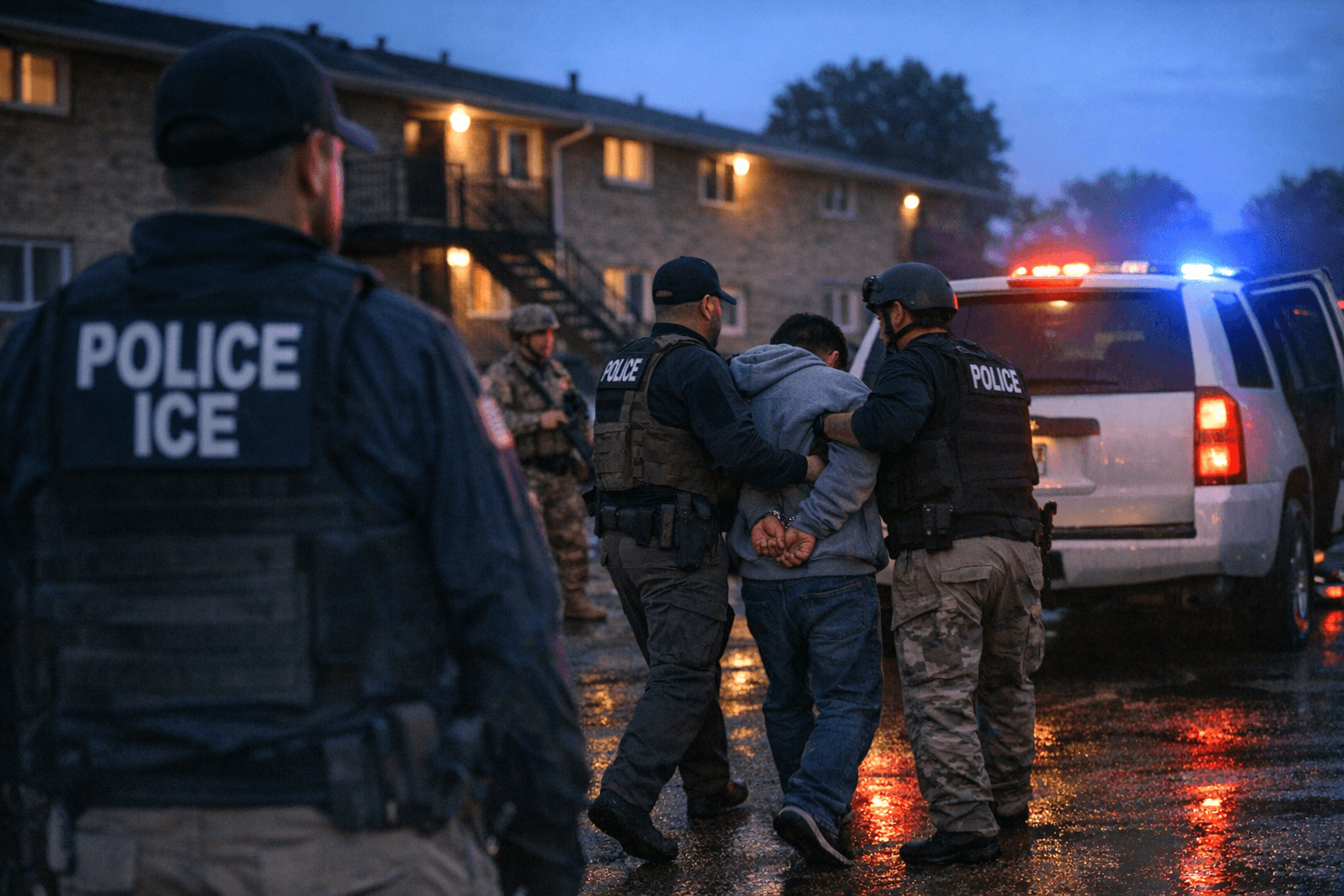
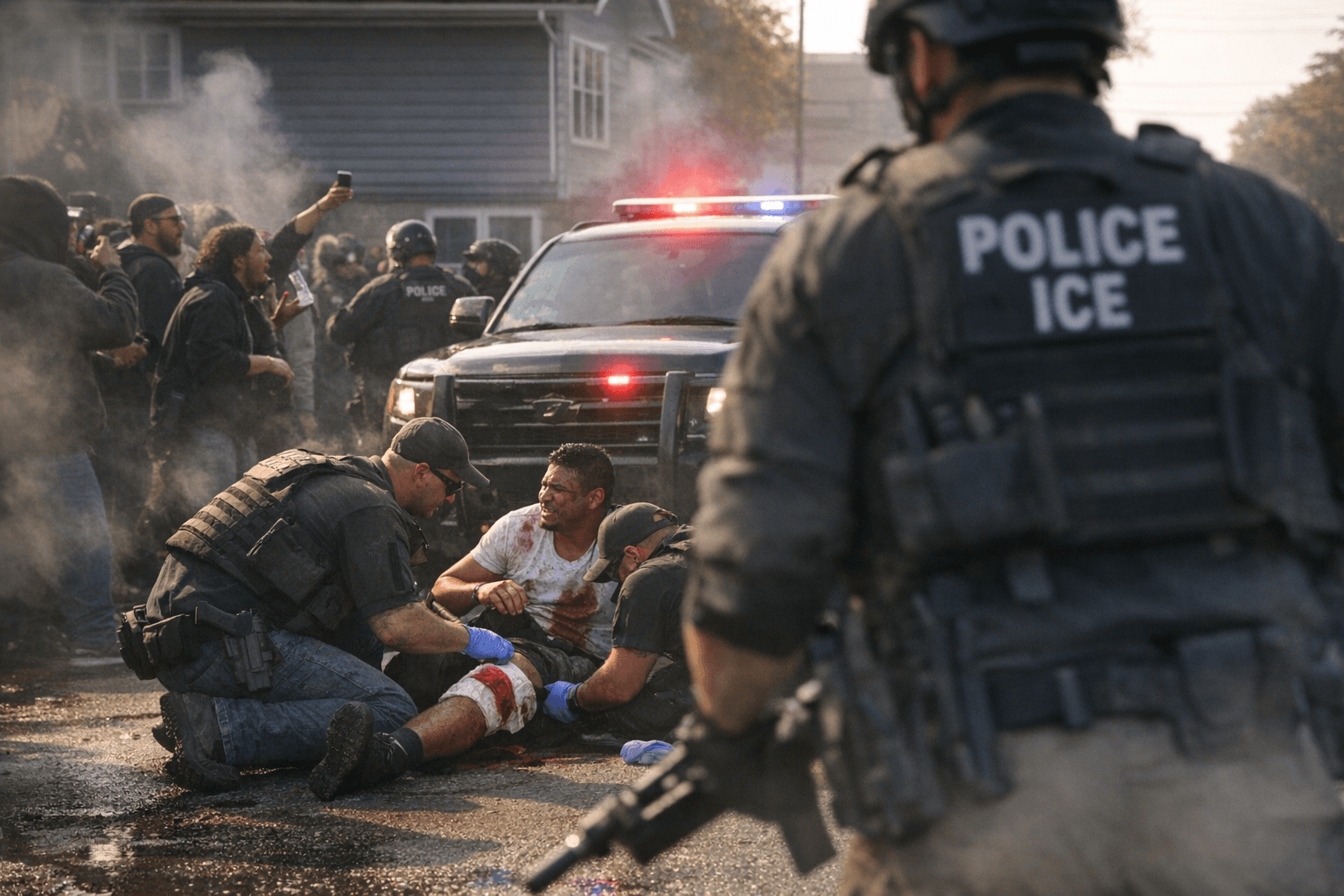
A federal immigration officer shot and wounded a Venezuelan man in north Minneapolis during a targeted traffic stop late Wednesday, officials said, a confrontation that set off renewed protests and clashes between demonstrators and federal agents deployed to the city.
The Department of Homeland Security said agents conducted the traffic stop after the vehicle fled, crashed and the driver ran from the scene. DHS said officers pursued the man and that, when they approached, an officer was assaulted and fired, striking the man in the leg. Both the officer and the wounded man were taken to hospitals with non-life-threatening injuries, according to statements from DHS and the City of Minneapolis.
DHS said that two people emerged from a nearby apartment and attacked the officer with a snow shovel and a broom handle and that the fleeing driver rejoined that assault. The agency described the officer’s shots as “defensive.” DHS said the three people who attacked the officer barricaded themselves in an apartment before being taken into custody.
The shooting occurred amid heightened anger over a separate fatal encounter earlier this month in which an Immigration and Customs Enforcement agent shot and killed 37-year-old Renee Nicole Good. The FBI is investigating that Jan. 7 shooting. City officials warned that the latest incident would inflame community tensions. The City of Minneapolis posted on X: “We understand there is anger. We ask the public to remain calm,” and “The City of Minneapolis again demands that ICE leave the city and state immediately.”
Protests followed the traffic-stop shooting, and authorities described confrontations in which demonstrators hurled fireworks, ice and snowballs at officers. Federal agents deployed tear gas, pepper spray and so-called flash bangs against crowds, and footage from the scene showed some protesters launching fireworks at officers, further escalating the standoff.

The incident is unfolding during an expanded federal immigration enforcement presence in Minnesota that officials have described as Operation Metro Surge. Roughly 3,000 federal officers, including personnel from ICE and Border Patrol, have been deployed in recent weeks to support targeted enforcement actions across the state. Minnesota Attorney General Keith Ellison and the cities of Minneapolis and St. Paul have sued the federal government, arguing the operation is politically motivated and violates constitutional protections; they are seeking a court order to stop or limit the deployment.
National political leaders have weighed in, defending the surge and the actions of federal agents. DHS Secretary Kristi L. Noem, commenting on the earlier fatal shooting that has already roiled the city, described Good as having “weaponized” her car and called her a “domestic terrorist.” Those characterizations have been sharply disputed by community members and local officials.
Public health and community advocates warn that repeated clashes between heavily armed federal personnel and local neighborhoods deepen mistrust and can have immediate health consequences. Hospitals treated both the officer and the wounded man for non-life-threatening injuries in the latest incident, but crowd-control measures such as tear gas and pepper spray carry well-documented respiratory and ocular risks and can aggravate chronic conditions such as asthma. Mental health providers say repeated exposures to violence and militarized enforcement can increase trauma and deter immigrant communities from seeking health care or working with police.
Investigations into the two shootings and broader enforcement tactics are ongoing at multiple levels of government. As demonstrations continue, city leaders are urging calm even as they press demands that federal immigration operations be scaled back amid growing public health, legal and social equity concerns.
Know something we missed? Have a correction or additional information?
Submit a Tip