Duke wins overtime, claims first outright ACC title since 1962
Duke upends No. 16 Virginia in a dramatic overtime finish to secure the program's first outright Atlantic Coast Conference championship in 63 years, forcing a scramble in College Football Playoff calculations. The victory elevates Duke's national profile while creating an opening for a second Group of Five contender to stake a claim for postseason access.
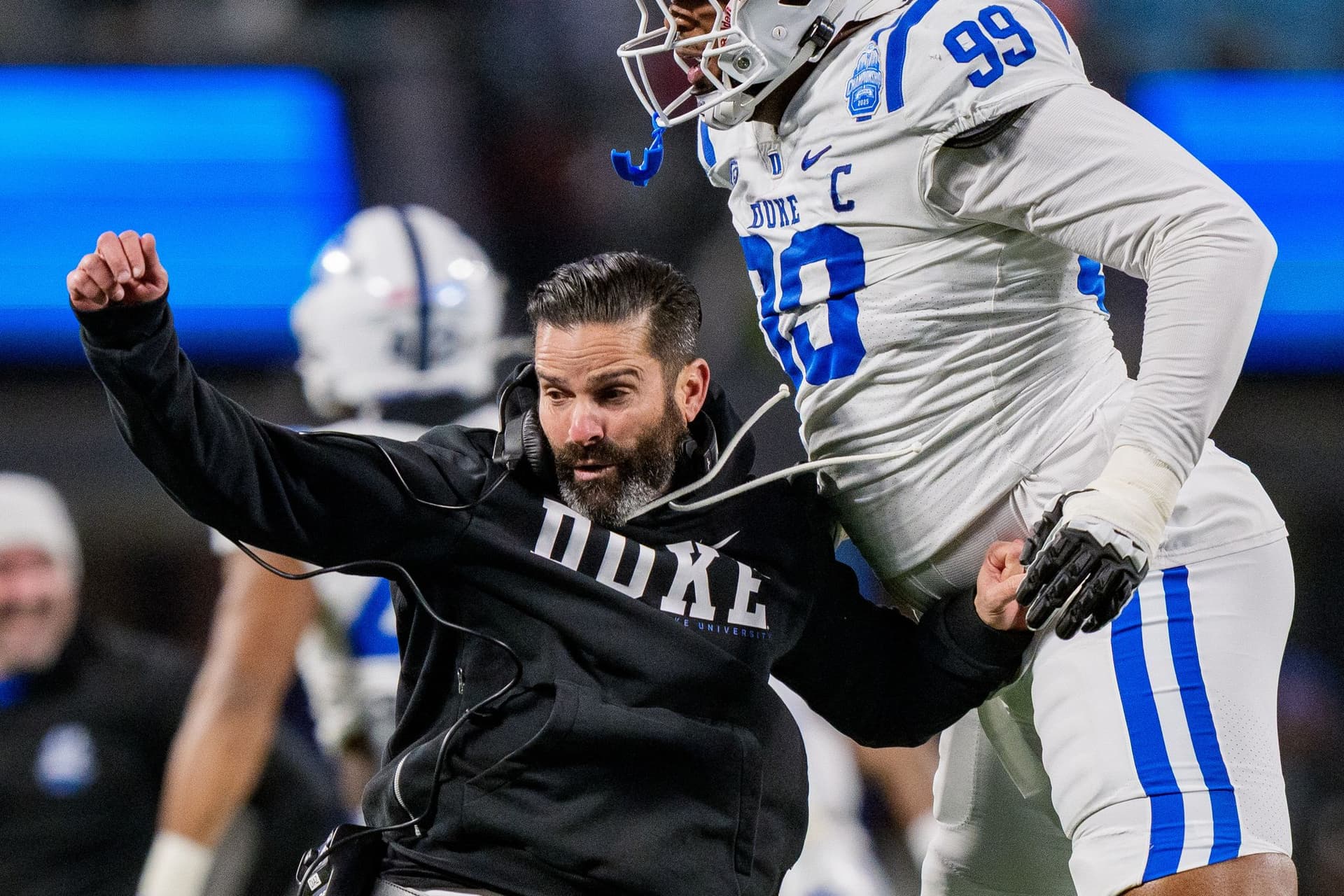
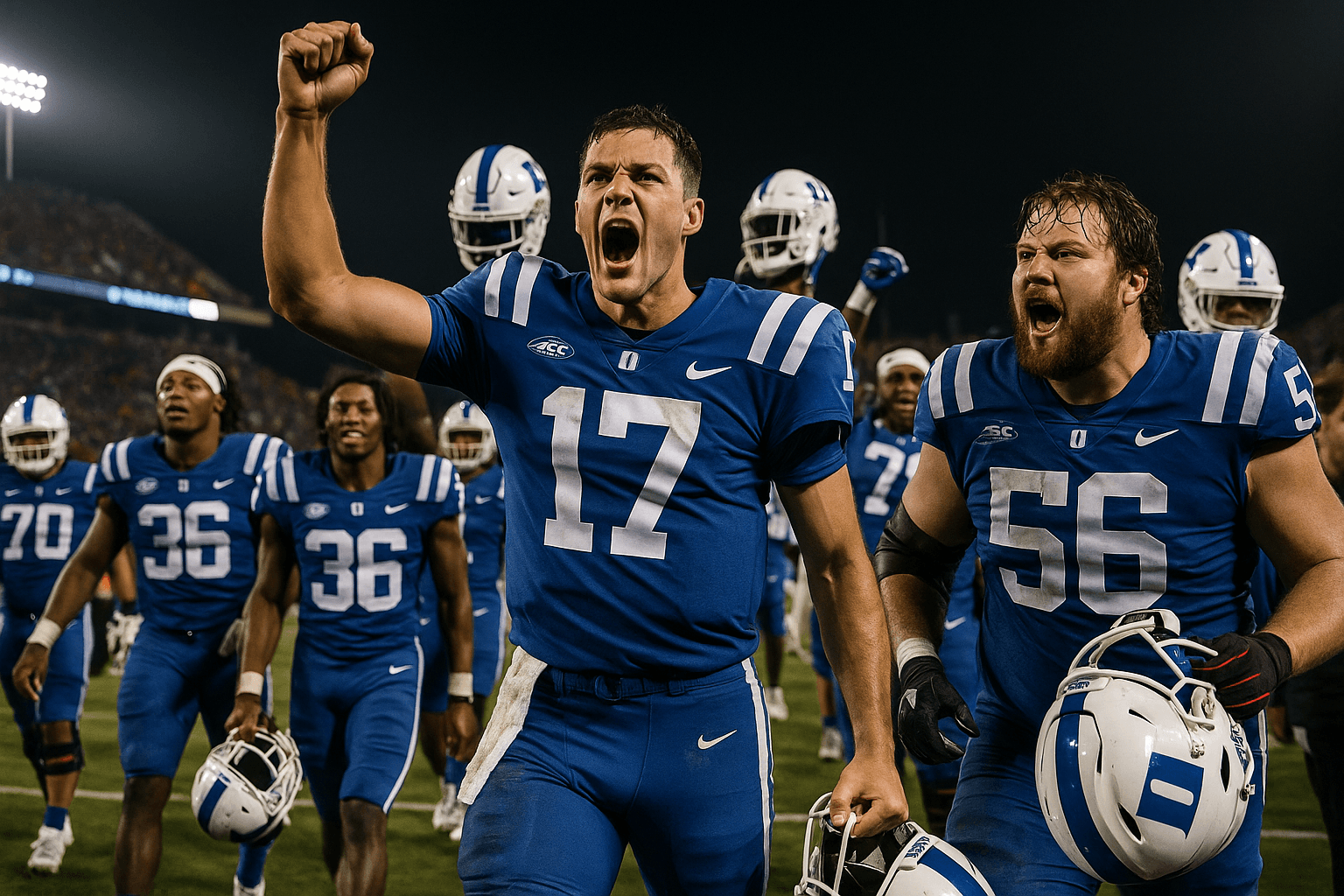
Duke beats No. 16 Virginia 27-20 in overtime on Saturday night in Charlotte, securing the Blue Devils their first outright Atlantic Coast Conference championship since 1962. The victory came on a fourth down overtime decision when Darian Mensah delivered a 1 yard touchdown pass to Jeremiah Hasley, capping a tense sequence that decided the title and injected new uncertainty into the College Football Playoff picture.
The Blue Devils improved to 8-5, a mark that undercuts their chances of earning a playoff berth even as conference champions. That reality leaves room for the selection committee to consider a second Group of Five entry, with James Madison emerging as the likeliest beneficiary of the shifting calculus. The overtime finish magnifies questions about how the committee will weigh the résumé of an unranked Power Five champion against at large candidates from traditional conference powers and high performing Group of Five programs.
For Duke the championship carries symbolic and practical weight. The program has long lived in the shadow of its nationally acclaimed basketball brand, yet Saturday night provided a tangible reward for years of investment in facilities, recruiting, and coaching stability. An outright ACC title after more than six decades will fuel recruiting pitches, deepen alumni engagement, and likely produce near term financial windfalls through increased merchandise sales, higher demand for tickets, and more lucrative bowl placement than the school otherwise would have expected.
Virginia entered the game as the higher ranked side and leaves Charlotte disappointed after a hard fought contest that devolved into a single decisive play. The Cavaliers still have a résumé to be considered for postseason opportunities, but the loss highlights the brittle margins that define modern college football, where one play can vault a program into historic territory or derail a season's momentum.
Beyond the individual programs the result underscores shifting dynamics across the sport. Power Five parity, roster turnover driven by the transfer portal, and evolving evaluation criteria for postseason selection are converging to create volatility at the top of the rankings. Fans and executives alike will scrutinize the playoff committee's response, because the decision will communicate how much weight is given to conference championships relative to national standing and strength of schedule.
Culturally, Duke's title resonates beyond the gridiron. It energizes a campus and community that have long celebrated basketball success but are hungry for football identity that can unify alumni and students across a broader swath of the university. In the business of college sports the win enhances Duke's bargaining position with sponsors and broadcasters, and it adds another narrative for the ACC as conferences navigate changing media landscapes and competitive balance.
Saturday's ending will be discussed in upper tiers of college football for weeks, not only for the drama of a fourth down overtime conversion, but for how it could reshape access and perception within a playoff era defined by expansion and controversy.