Eastern Oregon landowners ask court to revoke B2H condemnation certificate
Landowners filed petitions to revoke Idaho Power's B2H condemnation authority, a move that could protect private property and affect local easements in Baker County.

An attorney representing several Eastern Oregon property owners filed petitions in local courts this week seeking to strip the Oregon Public Utility Commission certificate that allows Idaho Power to condemn private land for the Boardman-to-Hemingway 500-kilovolt transmission line.
On Jan. 12, 2026, attorney Andrew Martin filed two petitions in Baker County Circuit Court on behalf of Charles M. Colton and Sons and Mark and Savannah Kerns, and a related petition in Union County Circuit Court. Martin argues the PUC's 2023 certificate of necessity is no longer valid because utility planning has changed since it was issued. He points to a shift in PacifiCorp planning language from serving roughly 800,000 customers in western Oregon to serving "certain large new loads," contending that change suggests the line may primarily serve large new customers such as data centers rather than broad regional needs. If the certificate is invalidated, Martin says Idaho Power would lack legal authority to pursue condemnation on affected parcels.
Idaho Power, through counsel, has maintained that the project's overriding purpose to transmit electricity has not changed and that the certificate remains valid. The dispute is part of a broader series of legal challenges to the B2H project that have been wending through courts for years, including petitions previously filed by the Stop B2H Coalition. A trial in one condemnation suit is scheduled to begin March 31, 2026.
For Baker County landowners, the filings raise immediate questions about property rights, easements and the future of working ranchland and farms crossed by the proposed route. Idaho Power has made reported easement payments on some affected parcels, but owners who oppose condemnation say the legal authority to compel easements is the core issue. An adverse or favorable ruling on the certificate could determine whether Idaho Power must negotiate access voluntarily or can exercise eminent domain.
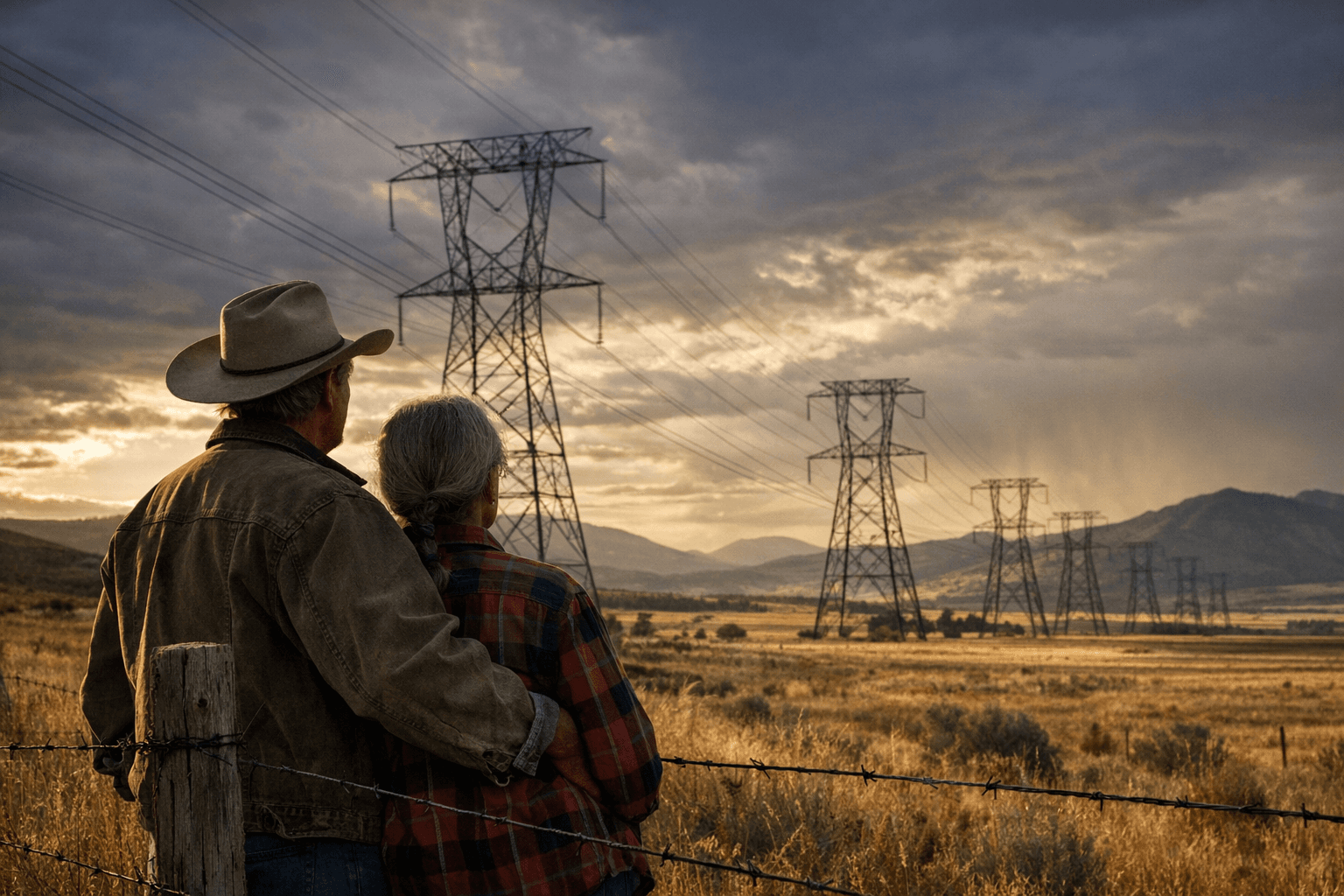
Practical consequences for residents include potential delays or changes to construction timelines, shifts in who ultimately benefits from the line, and renewed attention to land valuation and compensation negotiations. Local officials and property owners will be watching the Baker County court docket and the March trial date for signals about whether condemnation authority will be limited or upheld.
Our two cents? If your property is along the proposed route, keep an eye on circuit court filings, document any contacts or offers from utilities, and consider consulting counsel or county officials to understand your rights and options. This case could reshape how large transmission projects interact with rural property owners in Baker County.
Sources:
Know something we missed? Have a correction or additional information?
Submit a Tip

