State proposes new nitrate testing rules for northeast Oregon farms
State regulators proposed stronger nitrate testing and monitoring for large farms in northeast Oregon, a move that could affect Baker County wells and drinking water access.

State regulators on Jan. 12 proposed new rules that would expand testing and groundwater monitoring for nitrate where large agricultural operations and food processors have been linked to elevated nitrate in drinking water. The proposal responds to decades of farm and food-processing pollution that has contaminated groundwater across parts of northeast Oregon and aims to identify and limit ongoing impacts to private and public wells.
The rules would require greater testing and monitoring of nitrate impacts in areas where agriculture and food processing are associated with higher nitrate levels. Agency staff framed the proposal as a targeted response to persistent contamination that local communities report has forced some households to rely on bottled water or filtration systems. The geographic scope includes areas that overlap with Baker County, meaning local well owners could see changes to monitoring and reporting requirements.
Stakeholders invited to help draft the rules submitted sharply different views to the Oregon Department of Agriculture and the Oregon Board of Agriculture. Farm and industry groups argued the proposed requirements go too far and would impose burdensome costs and administrative work on operators, especially on smaller producers and regional processors. Public-health and environmental advocates countered that the draft rules do not go far enough to protect drinking water and that stronger enforcement and faster testing timelines are necessary to prevent continued exposure.
The regulatory context is a long-running struggle over nitrate in groundwater, an issue tied to fertilizer use, animal waste, and processing byproducts. For rural residents who rely on shallow wells, nitrate contamination is not just an environmental metric; it can be a persistent household expense and health concern. Observers note that families already using bottled water or installing filtration face recurring costs and uncertainty about long-term solutions if contamination continues.
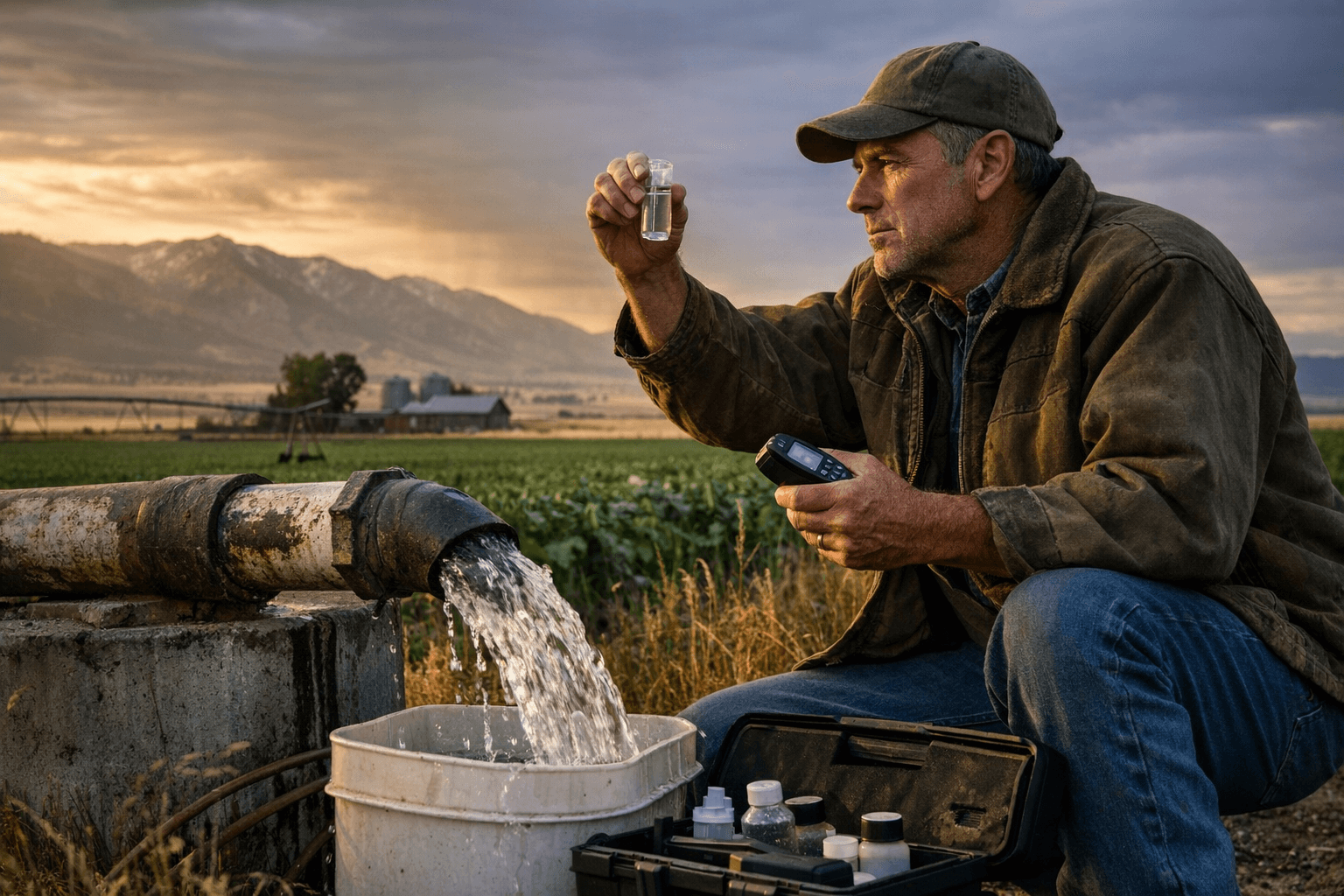
Next steps in rulemaking include additional public comment periods and possible revisions by state agencies. Regulators can alter the proposal in response to technical input, economic analyses, and public testimony before finalizing any new requirements. The process gives Baker County residents opportunities to submit written comments or to appear at hearings when agencies open the formal rulemaking record.
The proposed rules shift the focus from reactive response to routine monitoring in hotspot areas, which could change how farms and processors manage nutrient applications and waste. That shift also raises questions about who pays for testing and mitigation, and how small operators will comply alongside larger processors.
Our two cents? If your household uses a private well, get your water tested and track past results so you can speak to regulators with specifics. Attend the public comment period, ask for clear timelines for testing and mitigation, and push for affordable solutions for households already paying for bottled water or filters. What happens next will affect both farm operations and the water from your tap.
Sources:
Know something we missed? Have a correction or additional information?
Submit a Tip

