Eighth Circuit upholds Home Depot apron ban during unrest
Learn how the Eighth Circuit’s decision affects when employers can limit messages on customer-facing uniforms and what workers should do to protect rights.
1. Case snapshot and immediate takeaway
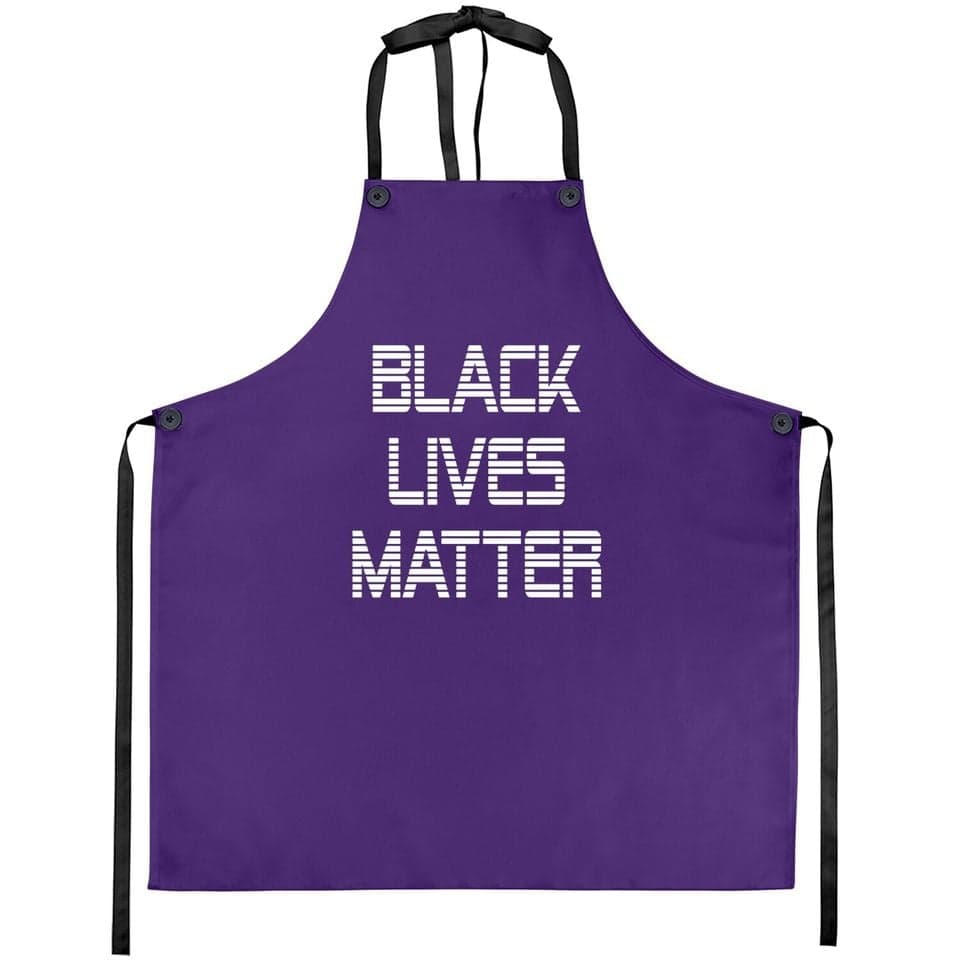
The Eighth Circuit in Home Depot U.S.A., Inc. v. NLRB reviewed whether Home Depot lawfully enforced its uniform policy by removing a hand‑written "BLM" message from a customer‑facing apron at a store near Minneapolis during a period of civil unrest. The court applied a "special circumstances" analysis and concluded that, given the local tensions and customer interactions at that time and place, Home Depot permissibly enforced a narrowly tailored restriction to protect customer relations and safety. For employees, the short-form message is clear: context matters — a rule that would be unlawful in one store or moment can be allowed in another.
2. Legal background: NLRB doctrine and protected concerted activity
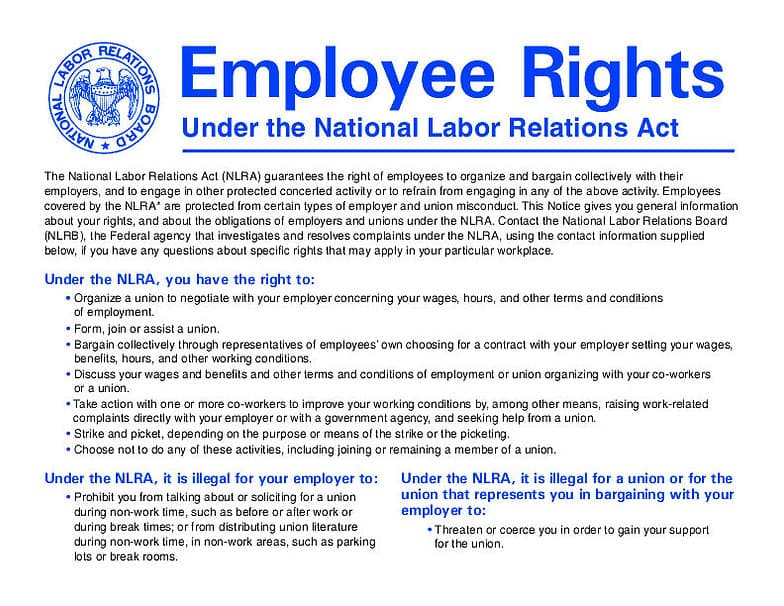
Under federal labor law, employees generally have the right to engage in protected concerted activity, which includes wearing messages to improve terms and conditions of employment. Administrative NLRB rulings have often found such expressions protected, but the law balances those rights against employers’ interests in running a business. The case highlights the tension between longstanding NLRB protections and judicial review that emphasizes factual context like customer-facing roles and localized unrest.
3. The court’s "special circumstances" reasoning explained
The Eighth Circuit’s decision pivots on what it labeled "special circumstances" — an approach that zeroes in on the specific time, place and manner of the employee’s display. Instead of applying a bright-line rule for all uniform-message restrictions, the court evaluated whether the particular display, during a specific period of heightened tensions and in a customer-facing role, justified a narrow restriction. That reasoning signals to workers that courts may weigh situational factors heavily when assessing whether an employer overstepped.
4. Time, place and manner: why context changed the calculus
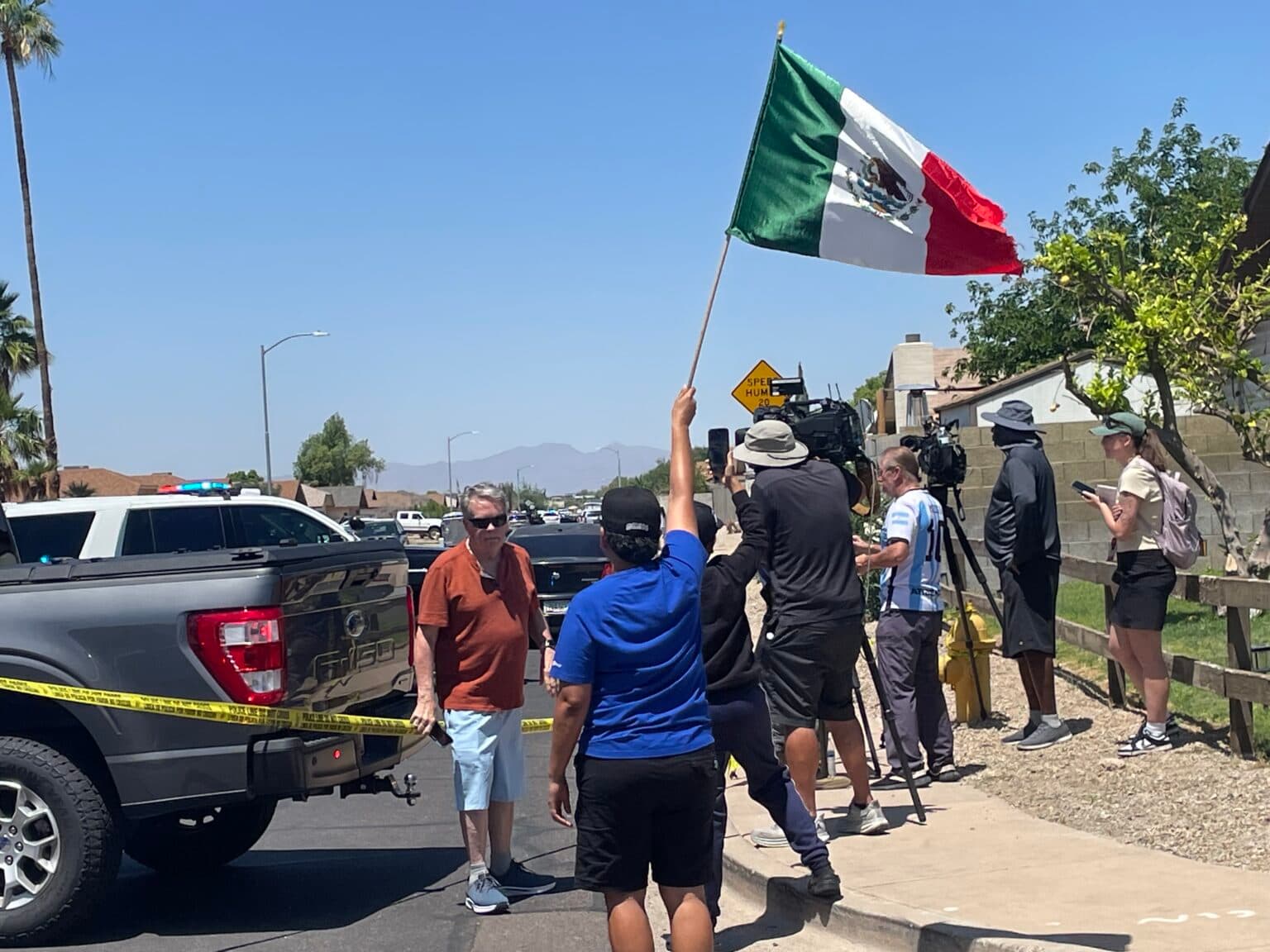
The court emphasized that the display’s timing (during civil unrest), the place (a store near an area of heightened tensions), and the manner (a visible handwritten message on a customer-facing apron) all mattered. When customers’ safety and relations were at risk, the balance tipped toward allowing the restriction. For employees, this means identical conduct can be judged differently depending on where and when it occurs, so consider context before wearing or posting messages at work.
5. Narrow tailoring and legitimate business justification
A central point from the opinion is narrow tailoring: restrictions must be no broader than necessary to serve legitimate business needs such as safety, customer relations, and maintaining a neutral retail environment. Employers must show the specific business reason for the restriction and that less restrictive alternatives were insufficient. Workers should recognize that employers can prevail when they can document specific, proportionate concerns rather than rely on vague or blanket justifications.
6. What this means for protected-concerted-activity doctrine
The decision does not erase protected-concerted-activity protections; instead, it reinforces that those protections are not absolute. The court accepted that protected activity exists in principle but held that context and proportionality can justify narrow limits. Employees retain rights to collective expression, but those rights must be balanced against concrete operational concerns in customer-facing settings.

7. Practical steps for employees who want to express views at work
1. Consider context: before wearing messages, assess whether your role is customer-facing and whether there are heightened sensitivities in your community that could affect safety or customer interactions.
2. Opt for non-customer-facing channels: use coworker forums, union reps, or off‑duty social media to express views when at-work displays could be restricted.
3. Document incidents: if a manager enforces a policy against your expression, politely record what happened, including who said what, date/time, and any witnesses, so you have a factual record if you later file a complaint.
8. How managers and HR should respond under this ruling
Managers and HR should ensure policies are narrowly tailored, clearly documented, and consistently enforced across locations. Document legitimate business reasons (e.g., documented customer safety concerns or specific incidents of unrest) before enforcing a restriction, and train supervisors to evaluate time/place/manner factors rather than apply one-size-fits-all bans. Consistency and a written rationale reduce legal exposure and help maintain trust with hourly staff.
- Scope: Define which uniform items are customer-facing and what constitutes a display. Clear definitions prevent arbitrary enforcement.
- Narrowness: Limit restrictions to specific circumstances (e.g., during heightened local unrest) rather than across-the-board bans on all expressive content.
- Documentation: Keep contemporaneous records explaining the business rationale for enforcement decisions.
- Consistency: Apply rules uniformly across similar stores and roles to avoid perception of targeting or discriminatory enforcement.
9. Policy drafting checklist for employers (and what workers should watch for)
Employees should review these elements in your store’s policy and raise concerns if a rule is vague, applied inconsistently, or lacks documented justification.
10. Impact on workplace dynamics and customer relations
Expect more nuanced workplace conversations: employees may feel constrained in public-facing roles while non-customer-facing coworkers more freely express views. Managers must navigate morale and retention impacts when they enforce restrictions, especially on hot-button topics like "BLM." Clear communication, fairness, and alternative channels for employee expression will help reduce friction and keep customer service steady during sensitive periods.
Our two cents? Treat this as a reminder to think like both a coworker and a customer — if you’re on the sales floor, weigh the local context and company rules before you pin a message to your apron. If you’re a manager, document your reasons and keep enforcement consistent; if you’re an employee, document encounters and explore internal channels first. Practicality and communication will keep the store open and your rights intact.
Sources:
Know something we missed? Have a correction or additional information?
Submit a Tip