Federal labor guidance clarifies employee speech and organizing rights at Home Depot
Federal guidance clarifies what Home Depot associates can discuss and wear at work and warns which manager actions can cross the line into illegal interference.
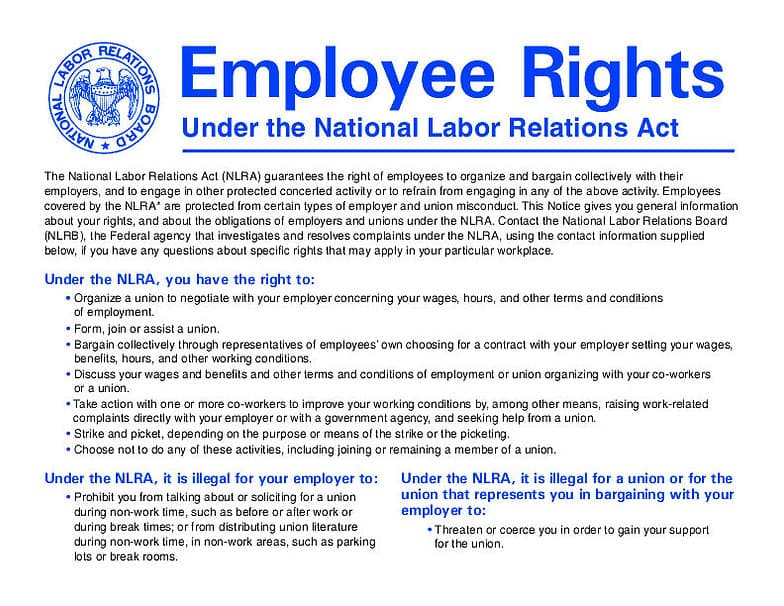
Federal labor regulators reiterate that Home Depot associates have broad rights to engage in concerted activity for mutual aid or protection, including talking about wages, schedules and other terms and conditions of employment. The guidance spells out what conduct is protected and which employer actions can unlawfully interfere with those rights, giving employees and managers clearer guardrails on the store floor.
Under the guidance, Section 7 protects concerted activity — when two or more employees act together, or a single employee speaks on behalf of coworkers, about workplace issues. Section 8(a)(1) makes it unlawful for employers to interfere with, restrain or coerce that protected activity. Specific examples of protected conduct include discussing pay and scheduling with coworkers and wearing union insignia or other symbols of workplace organization.
The guidance also lists employer actions that can illegally chill employee rights: threats, interrogation, surveillance, unlawful discipline and overly broad work rules that could be read to prohibit protected discussion. That matters in retail workplaces where managers routinely set rules about social media, communications and appearance. Policies that sweep too broadly — for example, banning "disparaging" comments about the company without limiting that ban to nonwork-related speech — risk being interpreted as chilling lawful conversations among associates.
At the same time, the guidance cautions that not all conduct is protected. Threatening or egregiously disloyal acts can lose NLRA protection, so context matters. The boundaries are especially important in stores where organizing activity often happens in plain sight on breaks or in back rooms, and where managers or loss prevention staff watch employee interactions closely.

For Home Depot workers, the practical impact is twofold. First, associates have the legal right to discuss pay, hours, schedules and conditions with coworkers and to show support for organizing efforts without fear of unlawful punishment. Second, managers should reassess how they enforce policies and how they respond to employee conversations. Discipline that looks like retaliation for protected speech can expose the company to unfair labor practice charges.
What this means on the ground: if a manager questions or disciplines an associate after a conversation about scheduling or after they wore a union pin, that action could be unlawful if it would deter other employees from similar discussion. Likewise, broad rules on communications, social media or appearance should be narrowly tailored and clearly explained so they do not sweep in protected activity.
Our two cents? Know your rights, document interactions that feel retaliatory and talk with coworkers before acting alone. If you’re an associate wondering where the line is, start by having a calm conversation with peers and file a written note of any concerning manager response. Understanding the boundaries makes it easier to speak up without putting your job at unnecessary risk.
Sources:
Know something we missed? Have a correction or additional information?
Submit a Tip