Eileen Higgins Wins Miami Mayoral Runoff, First Democrat In Nearly Thirty Years
Eileen Higgins defeated Republican Emilio González in Miami’s Dec. 9 mayoral runoff, winning by roughly 19 percentage points with nearly all precincts counted. Her victory, as the first Democrat and first woman to lead the city in nearly three decades, carries immediate implications for housing, local immigration policy, and the 2026 political map in South Florida.
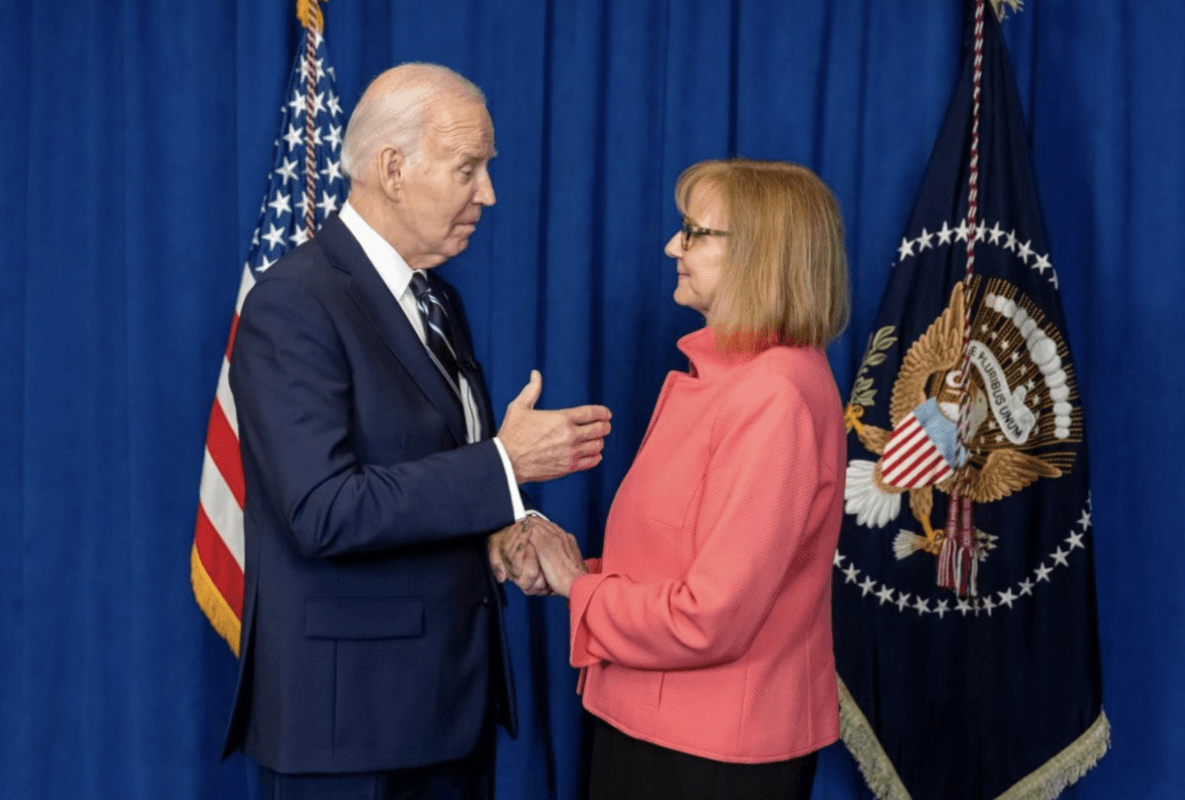
Eileen Higgins captured the Miami mayoralty in a decisive runoff on Dec. 9, delivering a clear rebuke to her Republican opponent Emilio González, who had received an endorsement from former President Donald Trump. With nearly all precincts tallied and major outlets reporting results Dec. 10, Higgins led by about 19 percentage points in a contest marked by low turnout for an off cycle election but a commanding margin.
Higgins arrives at City Hall after serving on the Miami Dade County commission where she built a campaign focused on affordable housing, restoring public trust in local government, and reversing the city’s cooperation with certain federal immigration enforcement practices. Her win ends nearly three decades without a Democratic mayor in Miami and makes her the first woman to hold the office in that span, shifting the city’s political leadership at a moment of intense scrutiny over urban affordability and public safety.
Policy implications are immediate and concrete. Higgins has signaled plans to prioritize affordable housing in a city where rising rents and limited inventory have strained long time residents and the workforce that supports coastal tourism and services. As mayor she will control the municipal budget process, shape development priorities, and influence appointments to boards that govern housing, zoning, and public investments. Those levers will affect both near term relief measures and longer term development patterns.
A second front of likely confrontation concerns law enforcement and immigration policy. Higgins campaigned to roll back local cooperation with federal immigration authorities, a stance that may bring her into conflict with state officials in Tallahassee given Florida’s recent posture on immigration and public safety. Legal and statutory limits could constrain municipal action, but the symbolic shift is poised to alter the city’s relationship with both the federal government and the state.

The result also carries broader political significance ahead of the 2026 midterm cycle. Miami and the surrounding region are a Hispanic majority area that has trended toward Republicans in recent years. Higgins’s victory, achieved despite a high profile endorsement for her opponent, is being read as an early test of Democratic appeal among diverse Hispanic voters and of the resilience of Republican influence in South Florida. Political strategists on both sides will study turnout patterns, precinct level swings, and the coalition Higgins assembled to assess implications for statewide and national races.
Civic engagement will be a focal point of post election analysis. Turnout was low for an off cycle runoff, raising questions about how representative the vote was, but the margin of victory gives Higgins a clear mandate to govern. Her administration will be judged on whether it can translate campaign commitments into measurable progress on housing affordability, restore confidence in city institutions, and navigate potential clashes with state policy makers. The outcome in Miami will be watched closely as a bellwether for county and statewide contests next year.
Sources:
Know something we missed? Have a correction or additional information?
Submit a Tip

