Senate Questions Pentagon on Trump Era National Guard Deployments
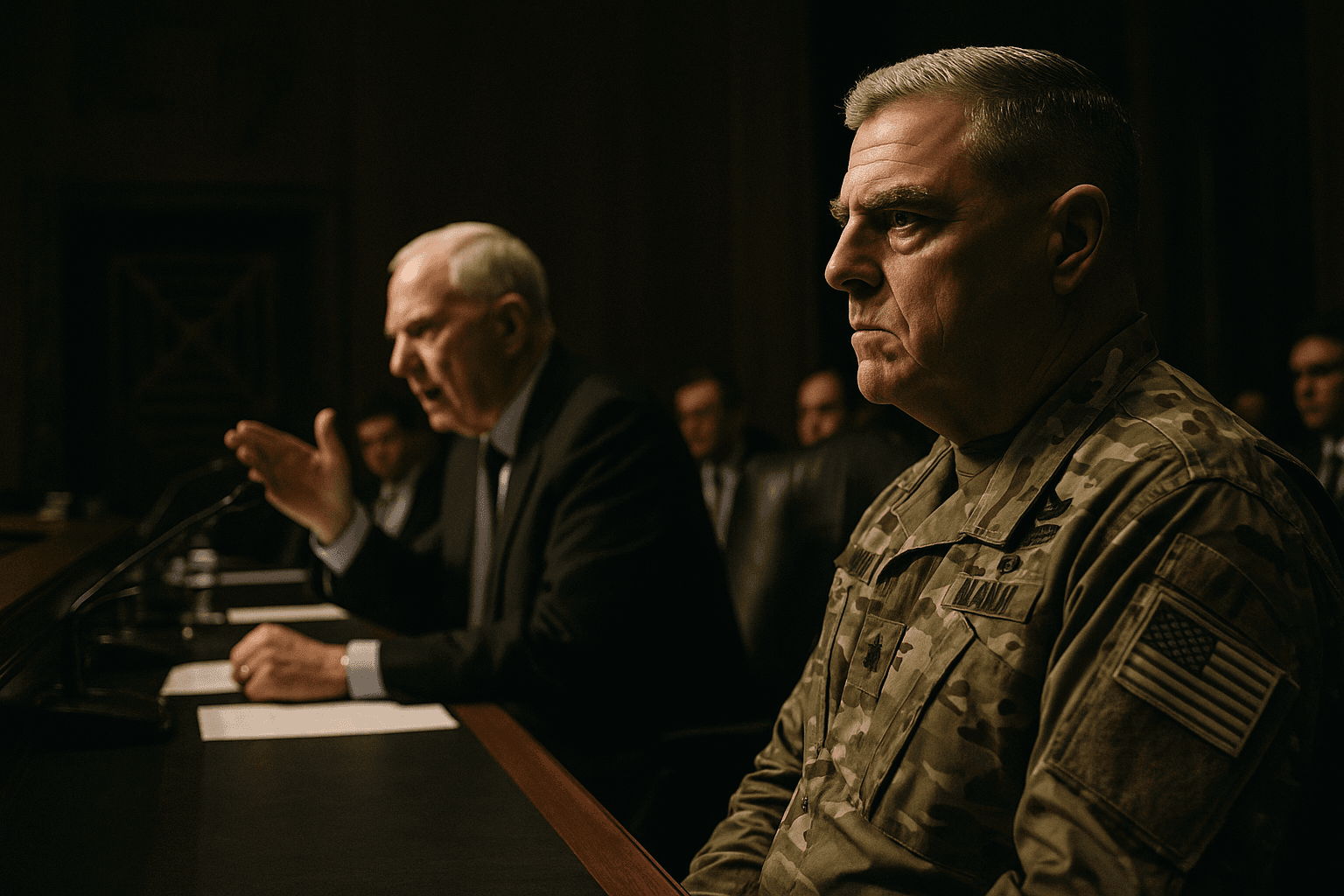
The Senate Armed Services Committee held a hearing on December 10 to press Pentagon leaders over President Donald Trump’s use of National Guard forces in U.S. cities, focusing on legal authority, state consent, costs, readiness, and protections for Guard members. The session marked the highest level of congressional scrutiny outside ongoing litigation, and it came after courts in several states found portions of those deployments unlawful and after widespread state protests.

Pentagon leaders faced sustained questioning from the Senate Armed Services Committee on December 10 over the federal deployment of National Guard forces to U.S. cities during the Trump administration. Senators from both parties demanded answers about the legal basis for domestic missions, whether state governors were overridden, the operational consequences for readiness and training, the fiscal cost to taxpayers, and measures to protect Guard members called into active duty on American streets.
Committee members framed the hearing as necessary oversight after a wave of legal challenges and state protests prompted by deployments that in some cases proceeded without explicit gubernatorial consent. Courts in several states subsequently found at least some troop movements unlawful, creating a backdrop of legal uncertainty that lawmakers said required high level review of Defense Department policies and practice.
Lawmakers scrutinized how decisions were made at the Pentagon when federal forces were ordered into states, and how those decisions interacted with traditional state control of National Guard units. The session probed whether existing guidance adequately protected the dual status of Guard members who serve both state and federal missions, and whether the department had clear, defensible legal memoranda supporting the actions that drew litigation. Senators also pressed on the operational trade offs of domestic deployments, asking how sustained federal use of Guard forces affected training cycles, unit readiness, and long term capacity for overseas missions.
The hearing occurred amid reports of at least one tragic incident involving Guard members during the contested deployments, which has intensified scrutiny from governors, service families, and civil liberties advocates. Lawmakers emphasized concerns that routine federal use of Guard forces for domestic policing could set a precedent that alters the balance of federal state authority, with implications for democratic accountability and local control in future emergencies.
Beyond constitutional questions, the committee focused on tangible costs. Members asked Pentagon officials to account for federal expenditures tied to domestic missions, including overtime, equipment wear, housing, and logistical support that in many instances fell outside planned budgets. Committee staff signaled that the session could lead to more formal inquiries into fiscal responsibility and whether additional safeguards are needed to protect service members financially and legally when they operate under federal direction in domestic contexts.
The bipartisan tenor of the questioning reflected an unusual consensus that major institutional questions were at stake even as legislators remained divided on policy and politics. Several senators indicated that the hearing may be a prelude to legislative action to clarify the parameters for federal National Guard deployments, to require more transparent legal review, or to strengthen protections for state authority.
For voters and state leaders, the proceedings underscored longstanding tensions between national security prerogatives and local control, and they highlighted how civic engagement through protests and litigation can prompt congressional oversight. The committee’s examination is likely to shape debates in the coming months over statutes, guidance, and departmental practice that govern the use of military forces on American soil.
Sources:
Know something we missed? Have a correction or additional information?
Submit a Tip