FEMA Pledges $350 Million to Georgia, Funding Helene Recovery
FEMA announced a $350 million allocation for Georgia localities and electric cooperatives to support recovery from Hurricane Helene and Tropical Storm Debby, a move that comes after public pressure from Senator Raphael Warnock. The timing raises questions about the speed and transparency of federal disaster assistance and its practical impact on communities still awaiting payments.
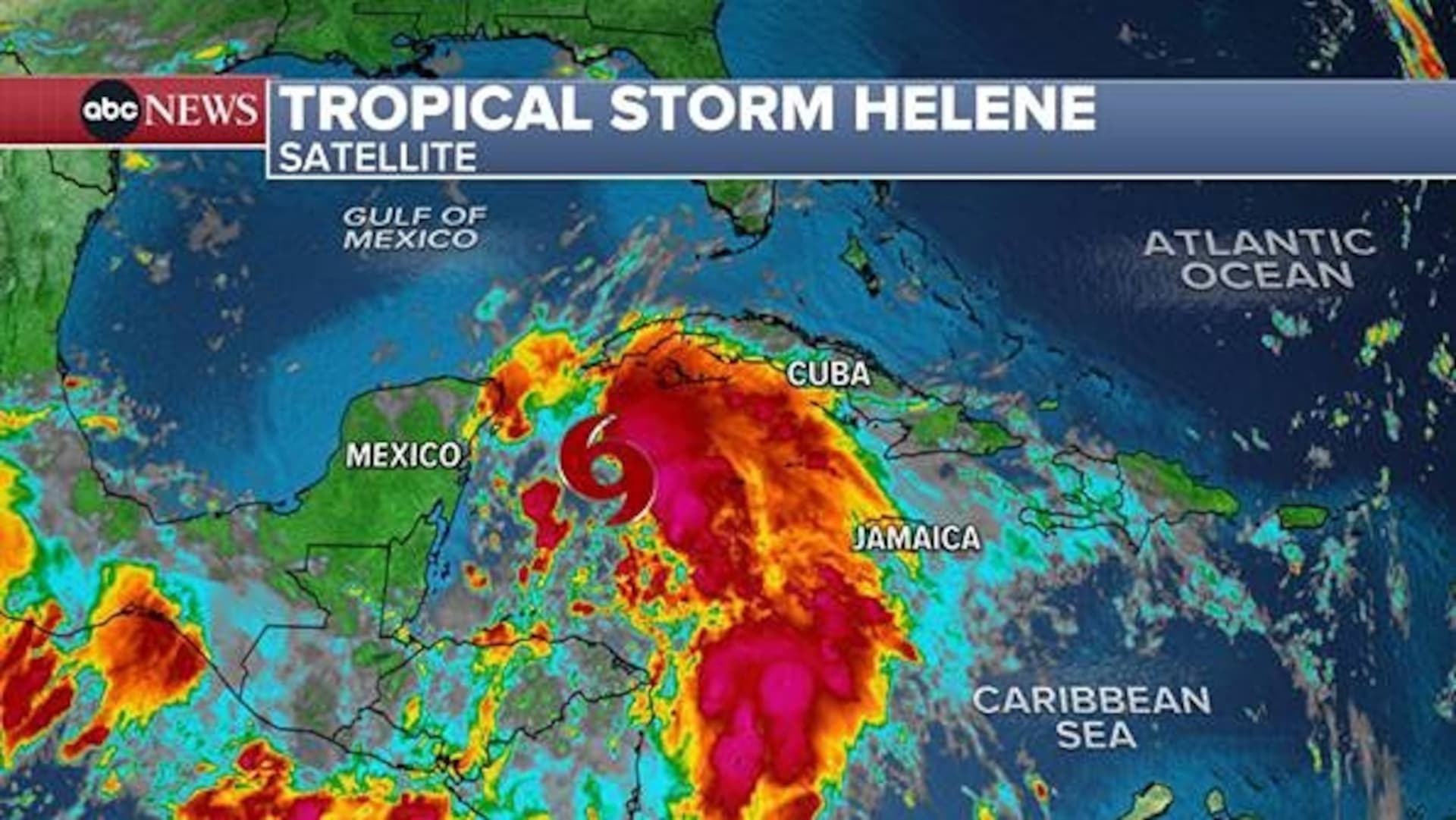
On December 12, 2025, the Federal Emergency Management Agency announced it would provide $350 million to Georgia local governments, electric cooperatives and other public entities to support recovery from Hurricane Helene and Tropical Storm Debby. FEMA said the funds will back more than 140 recovery projects across the state, covering activities from debris removal to repairs of roads and public utilities.
The announcement followed weeks of escalated scrutiny from U.S. Senator Raphael Warnock of Georgia, who released a report earlier this fall alleging that nearly $500 million in Helene related disaster relief claims remained unpaid. Approximately two months elapsed between that report and FEMA’s action, a sequence that intensified debate about how quickly federal aid moves from approval to payment and about the mechanisms available to compel timely disbursement.
Reporting by several outlets described how portions of the new package will be used. Some accounts broke the $350 million into categorical line items, including roughly $140 million for debris removal across more than 20 jurisdictions, about $179 million for emergency protective measures undertaken by local governments, electric cooperatives and universities, and roughly $17 million for repairs to roads, bridges and culverts in more than 20 municipalities. Those granular allocations were reported by specific outlets and reflect their accounting of FEMA materials.
The broader administrative context was complicated by additional reporting that cited a Department of Homeland Security statement presenting a larger figure, with one outlet reporting a total of $1 billion in FEMA related funding to Georgia for recovery efforts tied to Helene, Debby and pandemic era emergency protective actions. That $1 billion characterization appears to encompass a wider set of programs beyond the $350 million package FEMA identified for Helene and Debby, and should be treated as a broader departmental framing reported by that outlet.

State and local officials will now face the practical work of translating the announced dollars into on the ground recovery. Reported uses include debris clearance, repairs to public buildings and utilities, targeted hazard mitigation such as repetitive flood risk projects in Richmond Hill and investments in generators statewide, and traditional infrastructure repairs. Recipients named in accounts include municipalities, electric cooperatives, universities and other public entities.
The episode spotlights enduring policy challenges in federal disaster response. Delays in disbursement can compound fiscal stress on small counties and utility cooperatives that front response costs, pushing local budgets into deficit or delaying critical restoration work. The sequence of public pressure from an elected official followed by a sizable allocation raises questions about institutional transparency, the criteria and timing used by FEMA to move funds, and the accountability mechanisms available to Congress and state governments.
Journalists and watchdogs will now seek confirmation of disbursement schedules, the detailed project lists and contracts for the more than 140 projects, and clarity from DHS and FEMA about how the recently cited larger funding figures relate to this package. For affected communities the central test will be whether announced funds reach local coffers promptly and whether projects meaningfully accelerate rebuilding and reduce future flood risk.
Know something we missed? Have a correction or additional information?
Submit a Tip