Essential Beginner's Guide to FPV Drone Racing Gear and Training
A comprehensive beginner's guide to FPV mini-quad racing collects equipment recommendations, training progression, safety basics, and budgeting advice into a single, frequently updated resource. That matters because new pilots can use clear, practical steps to choose gear, learn to fly safely, and decide whether to build or buy without wasting time or money.

A one-stop beginner's resource for FPV mini-quad racing lays out the decisions new pilots face and shows how to make them in practical order. The guide covers core hardware choices, transmitter and controller options, FPV viewing systems, battery and charger recommendations, essential accessories, training progression, and the basic legal and safety points pilots need to know before flying.
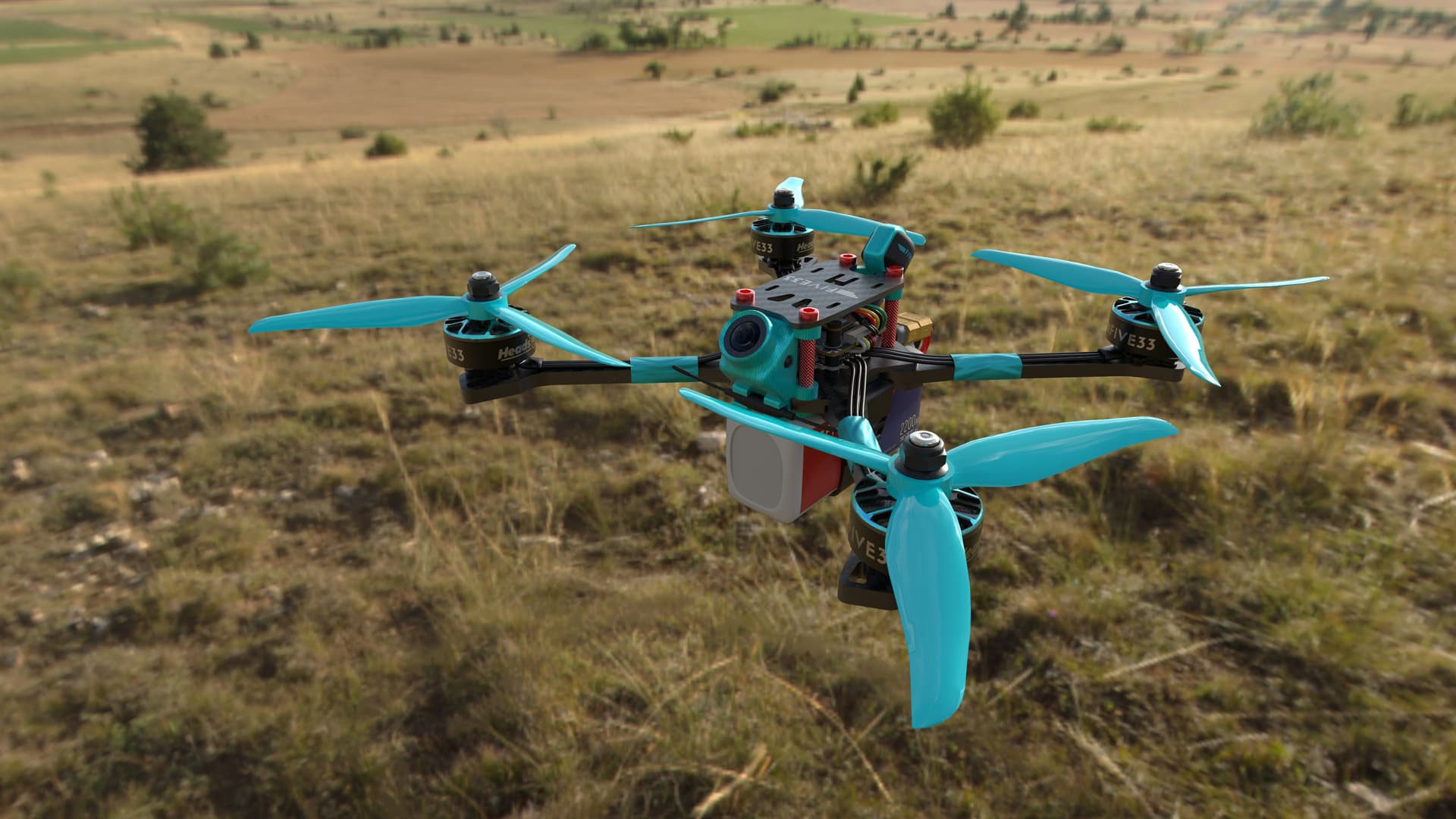
Start with hardware: frames, motors, ESCs, and flight controllers are explained by role and trade-offs, so you can match durability, agility, and weight to your goals. The guide separates parts-level choices for builders from ready-to-fly options for pilots who prefer to buy an assembled quad, making it easier to compare costs and maintenance responsibilities when deciding whether to build or buy.
Transmitter and controller recommendations emphasize modern radio links and control hardware. ELRS systems are recommended for low-latency, low-cost control, and hall-effect gimbals are called out for smoother, longer-lasting stick feel compared with older potentiometer gimbals. These choices affect both control precision and long-term satisfaction with your radio.
FPV viewing options get a clear breakdown: analog systems remain lightweight and affordable, while digital systems such as DJI, Walksnail, and HDZero offer clearer video and longer range at higher cost and weight. The guide explains the pros and cons so you can choose goggles and video transmitters based on race format, budget, and whether you prioritize latency, image clarity, or simplicity.
Battery and charging guidance focuses on LiPo cell counts, capacities, and safe charging practices, and it points to chargers designed for hobby use. Essential accessories — backpacks designed for quad transport, spare props, dedicated tools, and field repair kits — are listed so you can be ready for practice sessions and race day.
Training progression is practical and incremental: begin in a simulator to learn controls and orientation, then practice lift and hover, move to basic orientation drills, and evolve into higher-speed lines and gate negotiation as confidence grows. Safety and regulations basics are emphasized: verify local rules, maintain line of sight where required, respect no-fly zones, and follow safe battery handling and radio-frequency etiquette.
For anyone entering FPV racing, the resource’s frequent updates keep recommendations aligned with current hardware trends, helping new pilots make informed purchases, reduce avoidable crashes, and join community events with confidence. Verify local regulations and club rules before flying, and plan gear purchases around the training path you intend to follow.
Sources:
Know something we missed? Have a correction or additional information?
Submit a Tip