Essential January-March bonsai checklist to protect trees through dormancy
A practical January-March bonsai checklist explains winter care steps—dormancy, watering, light, pruning, pests, repotting and feeding—and why each matters for tree health.
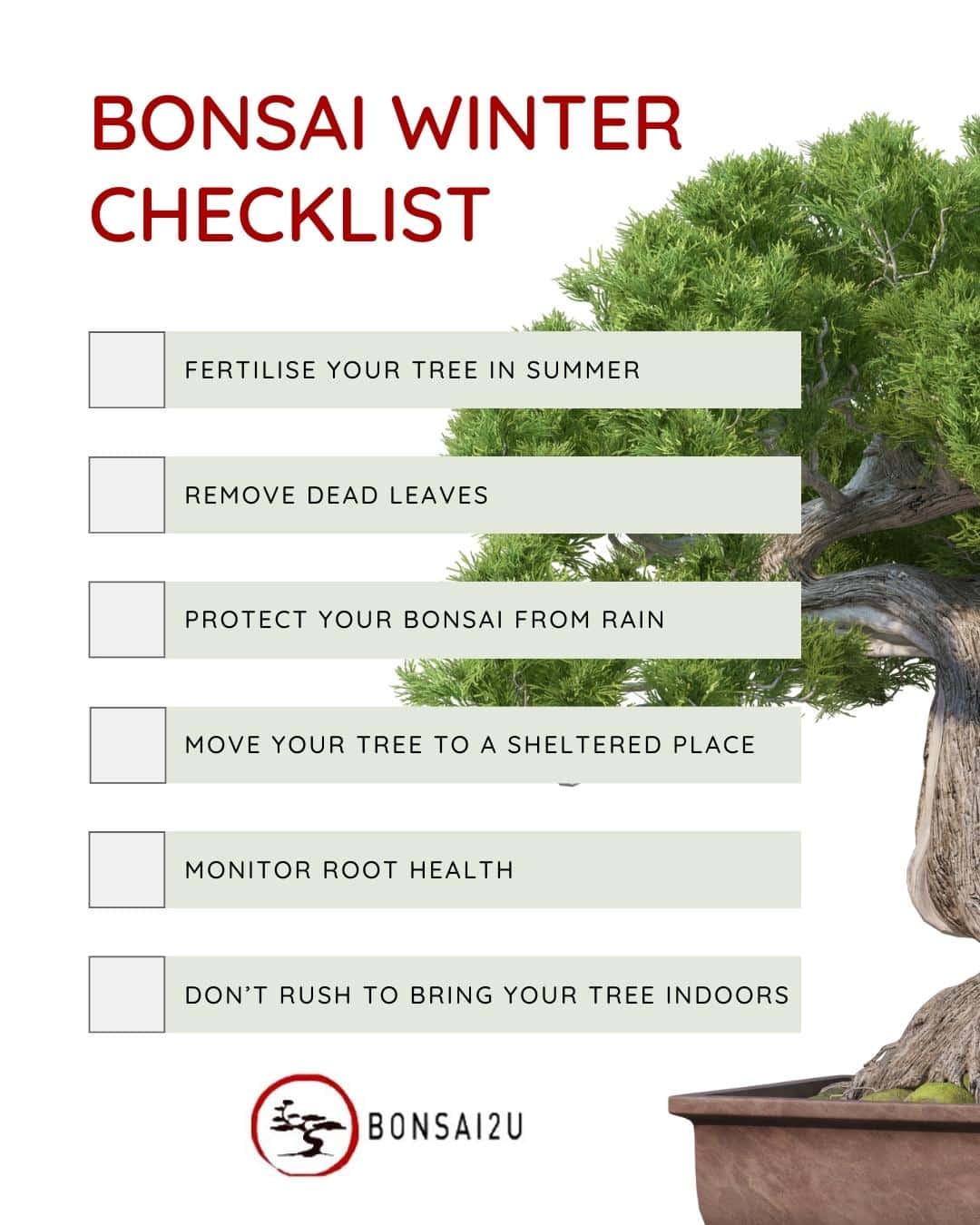
Winter is a maintenance season, not a vacation. For temperate bonsai the cold months provide a necessary rest; for subtropical and tropical trees the same period demands protection from temperatures below each species’ tolerance. Get positioning right now and you avoid scramble-for-shelter problems in spring.
Start each day with a soil check. Check soil moisture daily in winter and water thoroughly when the top of the mix begins to dry, but avoid waterlogging. Overwatering in cold conditions is one of the fastest ways to lose roots; water enough to rehydrate the root zone without leaving pots sitting in saturated media.
Light and humidity are the two indoor variables that most often require active management. If you keep trees indoors, supplement natural light with grow lights placed close enough to provide usable intensity but not so close as to scorch foliage. Increase ambient humidity with trays, pebble trays topped with water, or room humidifiers to reduce desiccation and improve needle and leaf condition through the dry months.
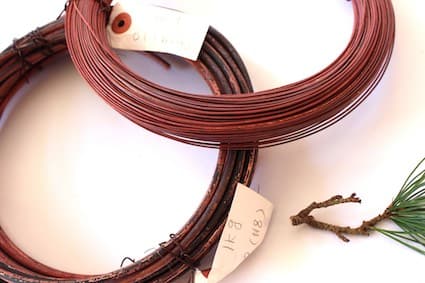
Pruning and wiring require restraint. Heavy structural pruning and major refinement belong to the active growth period in spring and summer. Winter is a good time for light structural pruning, selective deadwood work, and careful wiring for species that respond well to cooler-season styling. Remove wire before it starts to bite into bark; winter bark can be brittle and wiring injuries are harder to correct.

Pest and disease vigilance pays off during winter, especially indoors. Reduced ventilation and higher humidity can encourage fungal issues and scale or mite outbreaks. Improve airflow, remove dead foliage promptly, and treat pests quickly with methods suited to the species and environment to prevent problems from growing unnoticed.
Repotting and root work are usually scheduled for spring and are species-dependent. Avoid repotting stressed trees in mid-winter unless urgent; dormant roots are less able to recover from major disturbance. Likewise, suspend regular feeding while trees are dormant and resume balanced fertilization once active growth begins in spring.
This checklist pulls together seasonal priorities so you can triage tasks: maintain correct temperatures for each species, check and water daily, boost light and humidity for indoor trees, do only light pruning and careful wiring, stay on top of pests, and leave repotting and feeding to spring recovery. Our two cents? Treat winter as steady stewardship—small, consistent checks now prevent big fixes later—and focus on keeping trees rested and ready for spring work.
Sources:
Know something we missed? Have a correction or additional information?
Submit a Tip