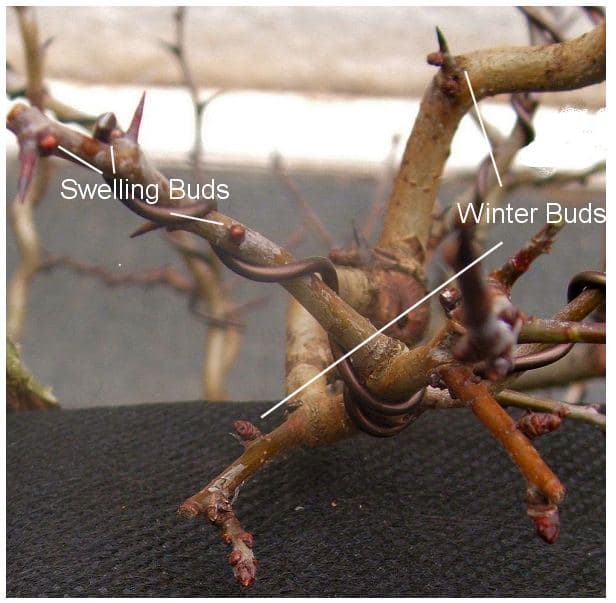
Practical wiring techniques every bonsai grower should master
A clear wiring guide explains safe methods for shaping trunks and branches and why timing, materials, and aftercare matter to tree health and styling results.
A comprehensive wiring guide for bonsai covers the how and why of shaping branches and trunks, with steps and safeguards that keep trees healthy while you bend them into style. It foregrounds timing, material choice, and monitoring so wiring helps design without leaving permanent damage.
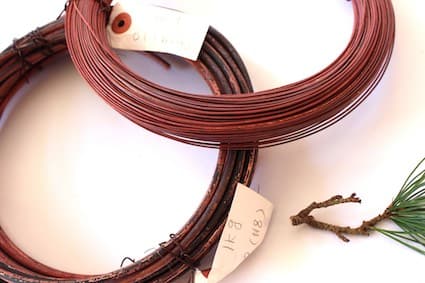
The guide explains two core material choices: anodized aluminum for deciduous trees and annealed copper for conifers. It stresses matching wire gauge to branch size and applying the 1/3 rule - wire thickness should be about one third of the branch diameter - to avoid overloading or under-supporting a limb. Recommended wire gauges and examples are provided so you can pick wire appropriate to trunk, primary, and secondary branches.
Technique matters. The wiring workflow follows trunk first, then primary branches, then secondary branches. Single-wiring and double-wiring techniques are laid out for different styling goals: single wraps for finer control, double wiring to lock larger branches into position. For stubborn or brittle branches, the guide recommends using guy-wires to pull and hold angles without forcing the limb into a strain that risks cracking. Bending methods are described with an emphasis on gradual movement and support to prevent snapping or tearing bark.
Practical protections show up where they matter. Thick branches get wrapped with raffia before wire goes on to cushion bark and distribute pressure. When it’s time to remove wire, cut each turn rather than unwinding; that method reduces bark damage and prevents accidental snagging. Aftercare receives equal billing - monitor growth regularly and remove wire before it starts to cut in, then adjust wiring or rewire as the tree develops.

This guidance is aimed at everyday growers who want predictable results without compromising tree health. Detailed examples of when to wire - seasonal timing tied to species growth patterns - help you plan work windows and avoid wiring during high sap flow or when wood is too brittle. The guide also highlights common mistakes to avoid so you can troubleshoot bent branches, cut-in wire, and undesired movement.
The takeaway? Start with the trunk, wrap thick branches with raffia, choose anodized aluminum for deciduous trees and annealed copper for conifers, obey the 1/3 rule for wire thickness, use guy-wires for thick or brittle limbs, and always cut turns when removing wire. Monitor growth and remove wire before it cuts in to keep your trees healthy and your styling long-lasting. Our two cents? Wire deliberately, check often, and treat wiring as shaping with a safety net - your bonsai will thank you.
Sources:
Know something we missed? Have a correction or additional information?
Submit a Tip