Time spring repotting by bud stages, not fixed calendar dates
Use bud stages (dormant, swelling, extending, opening) to time repotting; aim for the extending stage so roots repair while foliage demand is low.
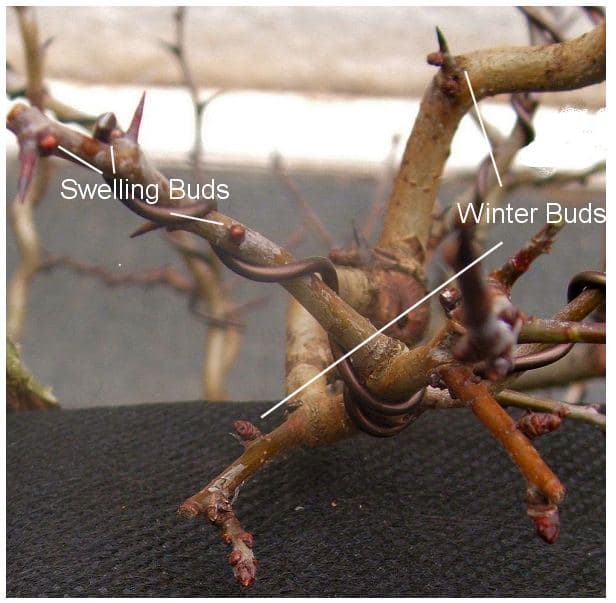
Repotting decisions come down to buds, not dates. The safest window for repotting deciduous and broadleaf bonsai is the bud-extension stage, when roots are active enough to repair after root work but foliage has not yet increased the tree's water and nutrient demand.
Observe the four spring bud stages to choose your moment. In dormant stage buds are inactive and roots are slow to recover, making repotting risky. Swelling stage shows metabolic activity rising but root repair is still limited. Extending stage is the sweet spot: buds are pushing but leaves have not fully opened, so the tree can divert energy to root recovery. Once buds open into foliage the tree demands more from its root system; repotting at that point risks loss of vigor and slow recovery.
Local climate and species mean there is no universal calendar date for these stages. Watch each tree's buds rather than following a fixed day on the calendar. Early-season warmth can push buds forward; conversely, a late cold spell can stall them. Take notes on your species' timing year to year so you can plan labor and potting mix needs around when each tree reaches extending stage.
Root-pruning changes the balance. Removing a substantial portion of roots reduces the plant's immediate uptake capacity and therefore increases the stress window after repotting. Match the severity of root-pruning to the tree's stage: gentler root work can be acceptable earlier in swelling, but heavier root reduction is best saved for extending so root regrowth can keep pace with top growth. Think of root work as surgical: aim to preserve enough fine roots for moisture uptake while reshaping the root ball and nebari.

Avoid repotting in early winter. Cold conditions slow root regrowth and increase the chance a tree will fail to recover. If you must pot in marginal conditions, protect roots from frost and give extended post-pot care.
Practical technique notes: time repotting for a cool, overcast day if possible; prepare your new soil and pot or training container ahead of time; remove large chunks of old soil, trim back circling roots, and re-establish a balanced root spread before settling the tree. Aftercare means conservative watering to avoid waterlogging while ensuring the root zone stays moist, reduced or delayed fertilization until new fine roots form, and temporary shade or wind protection to reduce transpiration stress.
The takeaway? Watch the buds. Track dormant, swelling, extending, and opening stages for each tree and plan repotting around the extending stage. Our two cents? Keep records, start with one test tree if you're unsure, and remember that timing by buds will save more trees and time than trusting a calendar alone.
Sources:
Know something we missed? Have a correction or additional information?
Submit a Tip