FAA Begins Formal Review of Boeing Cockpit Alerts for 737 MAX 10
The Federal Aviation Administration announced on Dec. 12 that it will open a formal evaluation of Boeing’s proposed cockpit alerting package for the long delayed 737 MAX 10, a step Congress required before the jet can be certified. The review will decide whether the proposed synthetic angle of attack capability and the option to disable certain stall and overspeed alerts meet post crash safety reforms, and it will set retrofit obligations across the entire MAX family.
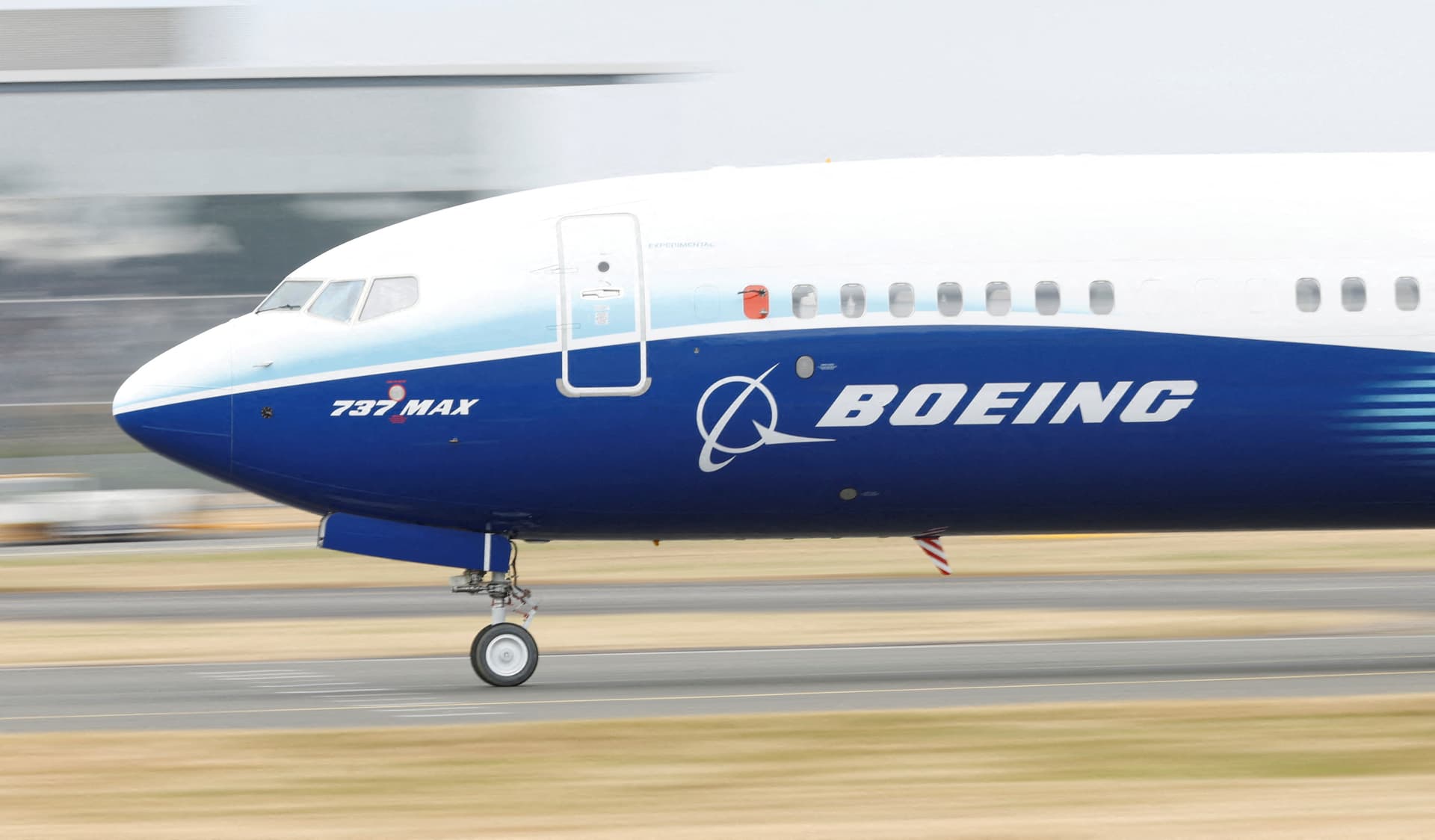
The Federal Aviation Administration said on Dec. 12 that it will begin a formal review of Boeing’s proposed enhancements to 737 MAX cockpit alerting, triggering the statutory process Congress mandated before the long delayed MAX 10 can obtain certification. The FAA said the review covers both design approval for the MAX 10 and retrofit requirements for the entire 737 MAX family, and will determine whether Boeing’s changes satisfy safety improvements required after two fatal MAX crashes and a broad overhaul of aircraft certification.
Boeing’s submission to regulators includes what the company and sources describe as a synthetic enhanced angle of attack capability and a mechanism that would allow flight crews to shut off or disable specific alerts, specifically stall warnings and overspeed alerts, in defined scenarios. The FAA said it will assess the redesigned crew alerting and angle of attack systems and decide if they meet the human factors and systems level safeguards Congress demanded in the Aircraft Certification, Safety and Accountability Act enacted after the accidents.
The agency laid out an implementation plan in four main elements. The FAA will evaluate and, if appropriate, certify the proposed enhancements for the MAX 10. It will then evaluate the same changes for all other MAX variants so that safety improvements apply consistently across the series. Regulators will monitor Boeing’s progress in providing service bulletins and technical data that airlines will need to carry out retrofits. Finally, the FAA will ensure operators complete required retrofits within a three year window tied to MAX 10 certification, a timeline tied to a waiver Congress granted in December 2022 that postponed an immediate new alerting standard for certain MAX models.
The alerting review is being conducted as part of a broader, holistic reassessment that takes into account changes Boeing has already made to flight control functions related to MCAS and the Speed Trim System. The FAA said earlier work on MCAS activation and reset criteria evolved into a wider systems level approach that reduced reliance on immediate pilot action and limited the potential impact of single failures. Agency materials note that a software update to the MCAS related flight control computer is not applicable to 737 Next Generation models.

Regulatory scrutiny of Boeing has intensified since the 2018 and 2019 accidents, and Congress has insisted on stronger FAA oversight and more rigorous evaluation of human factors in alerting and pilot responses. The current FAA review is the formal step Congress required before certification can be granted and before retrofits are mandated across the fleet.
The review has near term implications for Boeing and operators. Certification of the MAX 10 will unlock deliveries that have been delayed for years, and a retrofit obligation spanning the MAX family could involve hundreds of airplanes and significant downtime for carriers. The timing and outcome of the FAA review will also shape investor and customer confidence in Boeing’s safety governance and in the agency’s post crash regulatory posture.
The development was reported from Washington on Dec. 12, with initial coverage credited to David Shepardson. Regulators say they will follow the formal review with certification decisions and monitoring of Boeing’s compliance with service bulletins and technical data necessary for fleet retrofits.
Know something we missed? Have a correction or additional information?
Submit a Tip