FBI searches Washington Post reporter’s home in national security probe
FBI agents execute a search of Washington Post reporter Hannah Natanson’s Virginia home as investigators link the action to a probe of a Maryland systems administrator accused of keeping classified reports.
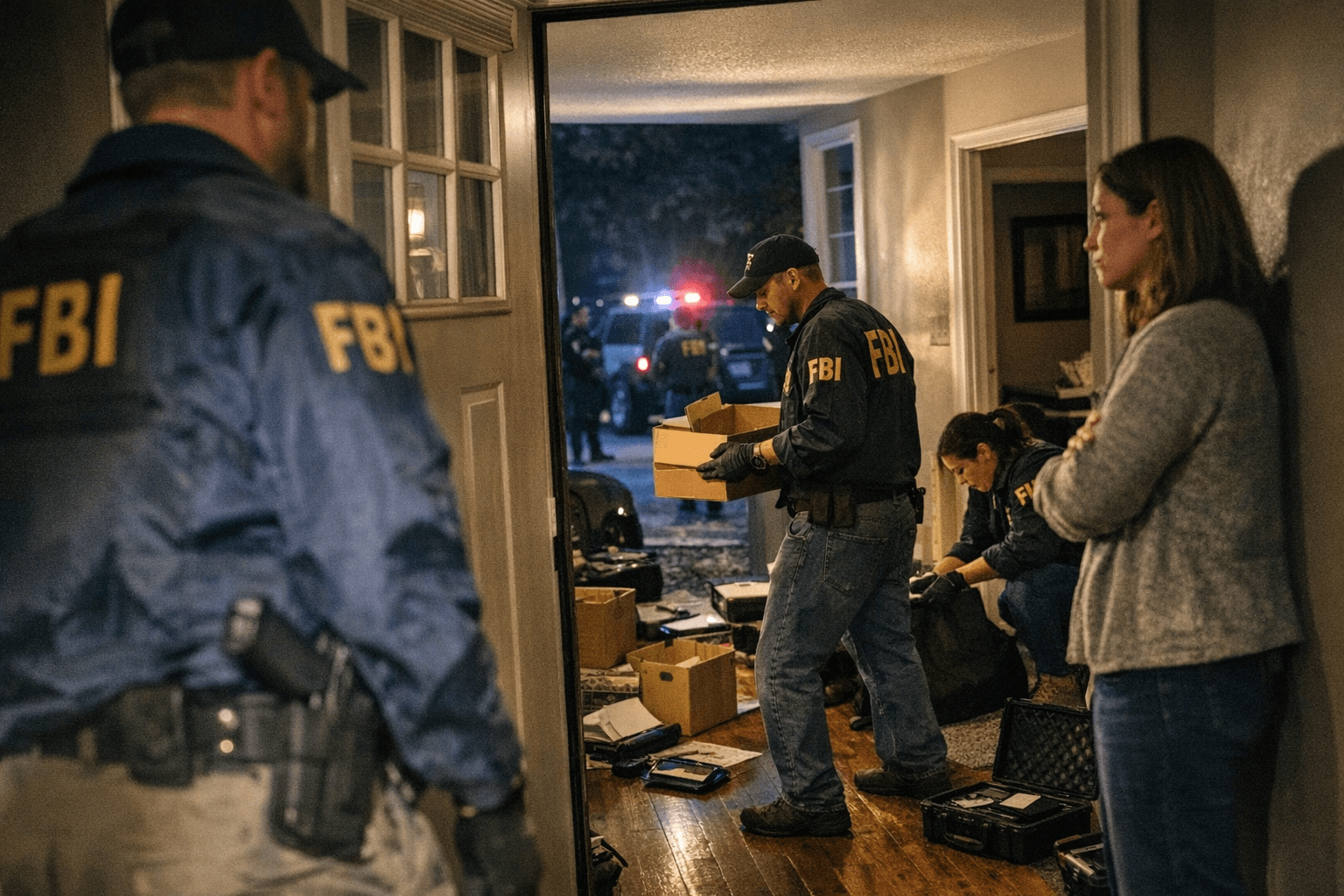
FBI agents execute a search of the Virginia home of Washington Post reporter Hannah Natanson and seize at least one cellphone and a Garmin watch in an inquiry tied to a Maryland government contractor who is accused of taking classified reports from his workplace. Investigators have connected the search to an ongoing criminal matter that alleges unlawful retention of national defense information by the contractor, who holds a top-secret security clearance and has been criminally charged.
Officials conducted the search as part of steps to gather evidence in the contractor’s case; investigators identified the contractor in court filings and charged him earlier this month with unlawful retention of national defense information. Authorities say the case centers on classified reports removed from a government network, and the affidavit used in the search links devices seized from the reporter’s home to that probe. Agents informed Natanson that she is not a target of the investigation, though investigators have not publicly detailed what, if any, reporting or materials prompted the search of a journalist’s residence.
Searches of journalists’ homes in investigations involving classified information are rare and legally sensitive because they pit law enforcement needs against the protections afforded to newsgathering and confidential sources. Historically, investigators seeking reporter materials have more commonly pursued phone and email records or subpoenas, and courts and internal Justice Department procedures generally impose heightened legal thresholds before permitting intrusive searches of newsrooms or journalists’ residences. The decision to execute a residential search warrant therefore raises questions about how those thresholds are being applied and what internal approval steps preceded the operation.
The seizure of a journalist’s devices underscores a broader institutional tension between national security enforcement and press freedom. Prosecutors and investigators argue that protecting classified information and national security may require aggressive evidence gathering, while press advocates and constitutional law experts warn that searches of journalists’ homes can have a chilling effect on sources and discourage reporting on government wrongdoing. The balance between those imperatives will be a focus for legal review and public debate as the matter proceeds.
The Justice Department and the Federal Bureau of Investigation have not provided public comment on the operation, and the reporter’s employer is reviewing the development. Investigative teams and newsroom legal counsel now face decisions about potential motions to quash, the preservation of newsroom material, and whether to seek judicial oversight of the scope of any evidence obtained from the seized devices.
Beyond the immediate legal contest, the episode has policy implications for congressional oversight and executive-branch guidance on handling investigations that touch the press. Lawmakers and civil liberties organizations may press for clearer rules or legislative safeguards governing when and how law enforcement can seize journalists’ material in national security cases. Absent transparent explanations from investigators, public confidence in both press independence and national security institutions could be eroded.
Key facts remain unresolved: the precise nature of any documents or reporting that prompted the search, the full inventory of items taken, and what if any evidentiary link exists between the contractor’s alleged conduct and materials recovered from the reporter’s devices. The contractor’s case remains active, and further court filings or disclosures from prosecutors may clarify the scope and justification for the search. Until then, the action marks a consequential flashpoint in the ongoing debate over how to reconcile secrecy, oversight, and a free press.
Know something we missed? Have a correction or additional information?
Submit a Tip