FCC Bans New Foreign Made Drones, U.S. Market Faces Shake Up
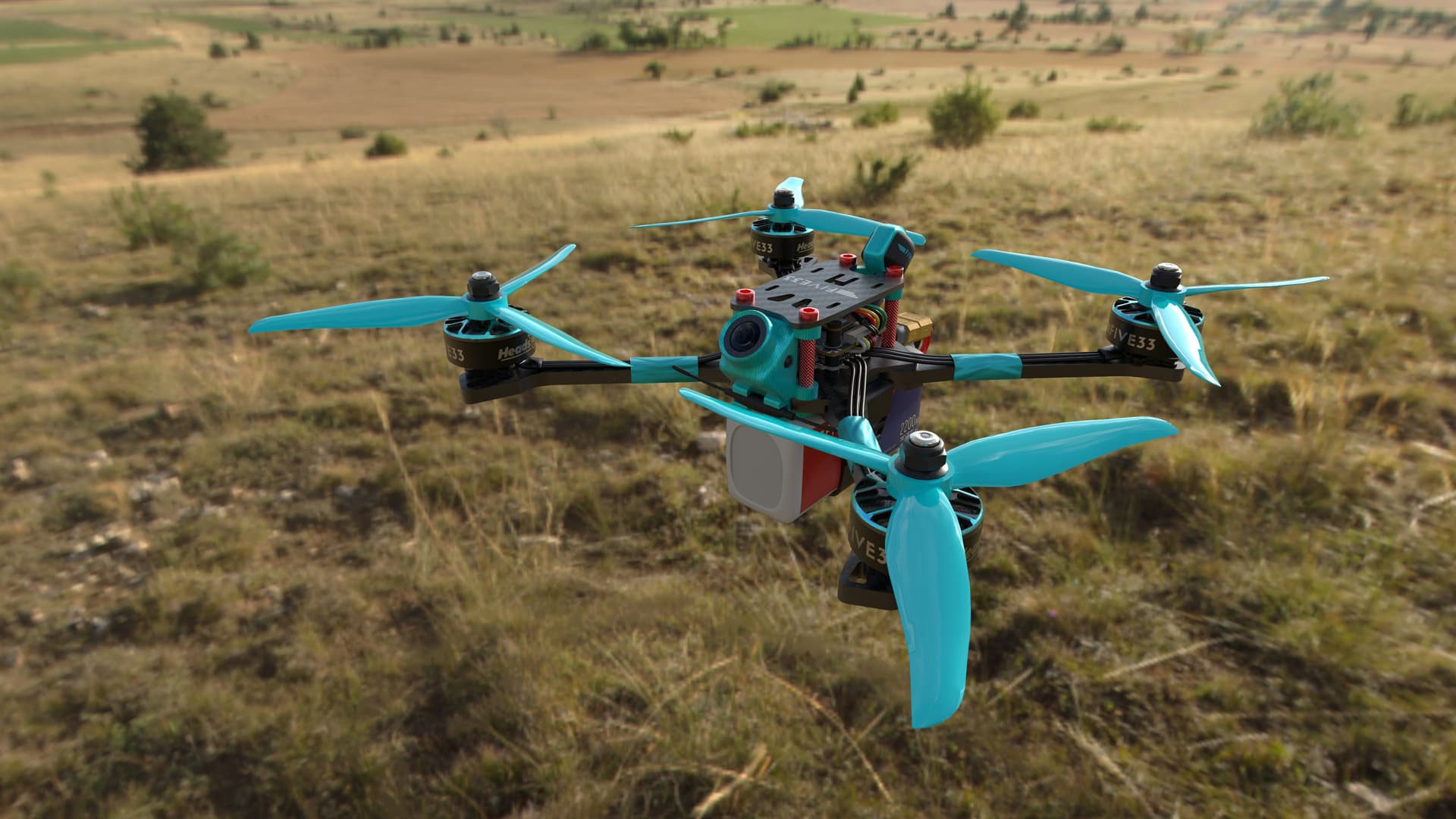
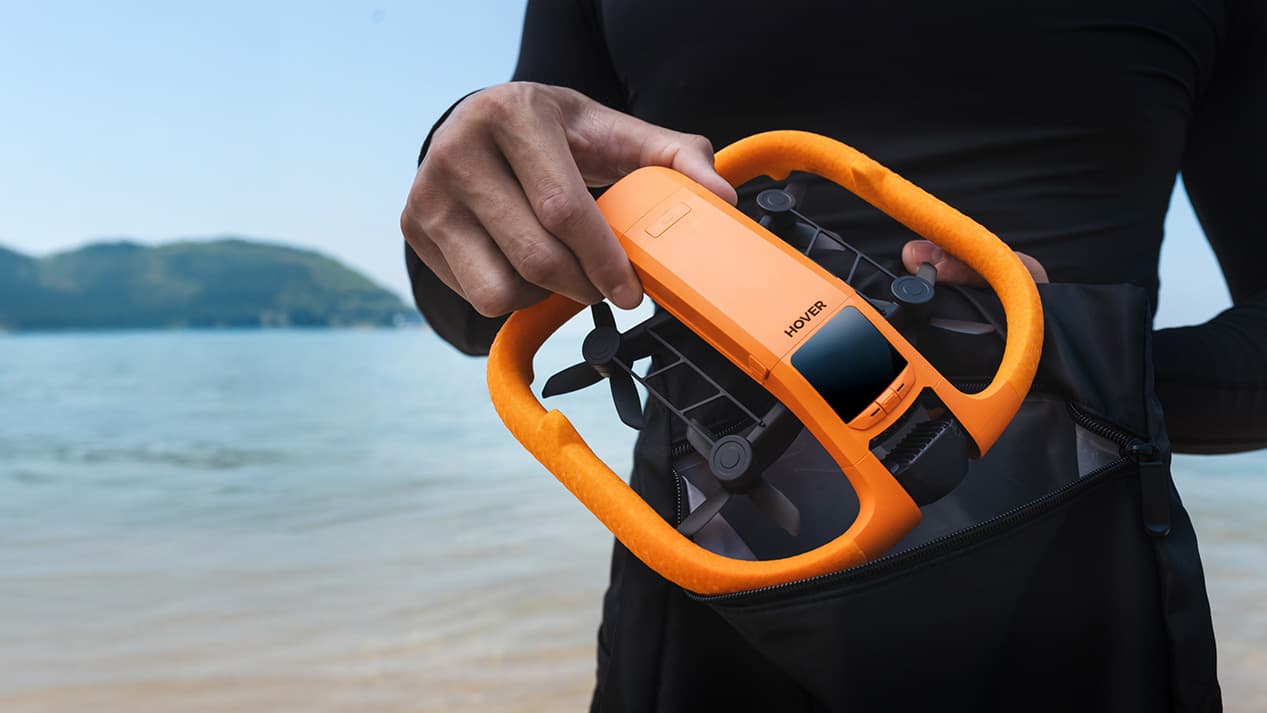
The Federal Communications Commission announced it would ban new foreign made drones from the U.S. market, a decision that removes popular Chinese brands such as DJI and Autel from future sales unless exempted. The ruling follows a national security review and will reshape supply chains for racing pilots, repair shops, event organizers, and commercial users.

The Federal Communications Commission announced on December 23 that it would ban new foreign made drones and critical components from entering the U.S. market, a move aimed at addressing national security concerns tied to overseas manufacturing. The agency said its review found that drones and key parts produced in foreign countries posed unacceptable risks to national security and to the safety and security of U.S. persons, though individual models or components could be exempted if the Department of Defense or the Department of Homeland Security determined they did not pose such risks.
Congress had set the review in motion a year earlier with defense legislation that called for stopping two Chinese manufacturers from selling new drones in the U.S. if a security review found a threat. The FCC cited several upcoming large events as part of its rationale, including the 2026 World Cup, America250 celebrations, and the 2028 Summer Olympics in Los Angeles, saying those gatherings amplified potential drone threats from criminals, hostile foreign actors, and terrorists.
The decision immediately affected sectors that had grown dependent on Chinese made systems, from farming and mapping to law enforcement and filmmaking. Michael Robbins, president and chief executive officer of AUVSI, welcomed the move, saying, "Recent history underscores why the United States must increase domestic drone production and secure its supply chains." DJI responded with disappointment, saying, "While DJI was not singled out, no information has been released regarding what information was used by the Executive Branch in reaching its determination," and adding, "Concerns about DJI’s data security have not been grounded in evidence and instead reflect protectionism, contrary to the principles of an open market."

Local users already felt the pinch. In Texas, Gene Robinson, who relies on a fleet of nine DJI drones for law enforcement training and forensic analyses, said the restrictions would hurt people who value versatility, performance, and low cost, while acknowledging the larger implications, "Now, we are paying the price." U.S. manufacturers see opportunity. Arthur Erickson of Hylio said the exit of major foreign brands could give American companies room to grow, but called the broad scope of the ban "crazy" and "unexpected," adding, "The way it's written is a blanket statement. I hope they will clarify that."
For drone racers and community operators the practical next steps are clear. Verify the origin of replacement parts, confirm vendor compliance, and plan logistics for repairs and spares well ahead of events. Track announcements from the Department of Defense and the Department of Homeland Security for potential exemptions that could affect equipment legality. The ban marks a major shift in the drone landscape, and rapid adjustments by builders, resellers, and event organizers will determine how smoothly racing calendars and commercial operations continue.
Sources:
Know something we missed? Have a correction or additional information?
Submit a Tip