FDA Opens Safety Review of Infant RSV Injectables, Questions Persist
The Food and Drug Administration announced a safety review on December 9 of two long acting injectable products meant to protect infants and toddlers from respiratory syncytial virus, a move that could shape confidence and uptake in the current RSV season. The review, described by regulators as routine, arrives amid wider federal debates over childhood immunization policy, making communication and equity concerns central to the public health response.
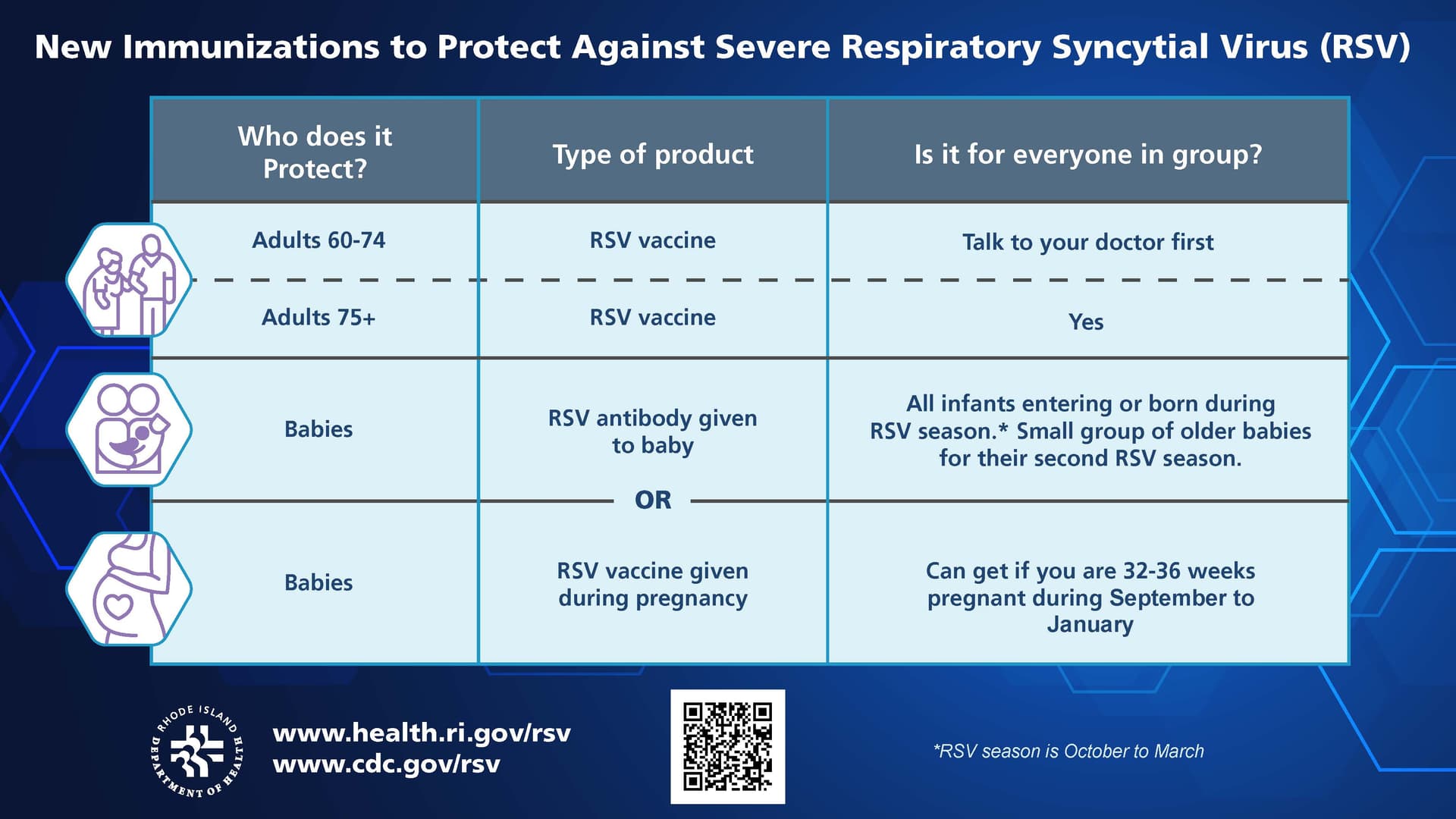
The U.S. Food and Drug Administration on December 9 began a safety review of two long acting injectable products developed by Merck and Sanofi that are intended to protect infants and toddlers from respiratory syncytial virus, a common cause of severe respiratory illness in young children. Officials emphasized that the products are not traditional vaccines but monoclonal prophylactic treatments designed to provide passive immunity during the highest risk months.
FDA officials said the action represents a routine safety evaluation and that product labeling will be updated if warranted. Both manufacturers reported that they had seen no new safety signals prompting the review. The announcement nonetheless arrives at a sensitive moment, as federal health agencies and advisory panels have recently revisited routine childhood vaccine recommendations, a process that has intensified public scrutiny of immunization policy.
Public health experts say routine regulatory reviews are a normal part of post market surveillance, but they acknowledge the practical consequences when such reviews occur in a politicized environment. For clinicians and parents, the review may raise questions about how soon to seek these injections for eligible infants, and how to weigh potential benefits in preventing severe RSV illness against any uncertain safety signals under evaluation.
The broader implications extend beyond individual decision making. Uptake of long acting RSV products has the potential to reduce hospitalizations and intensive care admissions among very young children, outcomes that disproportionately affect low income families and communities of color. Any delay in confidence or distribution could exacerbate existing disparities in access to pediatric care. Medicaid and public health programs that cover many infants will be watching closely, since coverage decisions and federal purchasing agreements determine how equitably the interventions reach marginalized communities.

Regulators have several tools short of withdrawal, including updating labels to reflect new safety information, issuing guidance to clinicians, or requesting additional studies. Health systems and pediatric practices will need clear, timely communication from federal and local public health authorities to maintain trust and avoid confusion during what is typically a high demand season for respiratory virus protection.
The review also highlights ongoing tensions in vaccine and biologic policy at the Department of Health and Human Services. Advisory panels that reassess recommendations can influence clinical practice and insurer coverage, and any changes in guidance for RSV prophylaxis may ripple through hospitals, community clinics, and families preparing to protect newborns and toddlers.
In the coming weeks public health officials must balance transparency with caution, providing parents with accessible explanations of what the review means and what evidence is being examined. For communities that already face barriers to pediatric care, ensuring uninterrupted access to proven preventive measures remains critical. Regulators and manufacturers alike have signaled vigilance, and public health advocates say that accountability, clear communication, and attention to equity must guide the process as the review proceeds.
Sources:
Know something we missed? Have a correction or additional information?
Submit a Tip