Fed Poised to Cut Interest Rates, Signals Possible Pause Ahead
The Federal Reserve is widely expected to cut the federal funds rate by 25 basis points today, lowering the target range to 3.50 percent to 3.75 percent, as markets and economists price in modest easing. Policymakers are likely to pair the cut with language that leaves the path for further reductions conditional on a clear deterioration in labor market data, a decision complicated by delayed government statistics after a recent shutdown.

The Federal Reserve is set to reduce its policy rate by 25 basis points at the conclusion of its December meeting, moving the federal funds target range to 3.50 percent to 3.75 percent, a step that markets and most economists view as a calibrated response to mixed economic signals. The cut is widely expected, but officials are deeply divided about the appropriate follow up, according to reporting that underscored the tensions within the Federal Open Market Committee.
At the same time the Fed will release updated economic projections, including the central bank’s outlook for growth, unemployment and inflation and the median path of policy often referred to as the dot plot. Those projections will be scrutinized for signals about the Committee’s thinking on future moves. Chair Jerome Powell is expected to use his post decision news conference to stress that any further rate reductions will hinge on clear signs of weakening in labor market data, making subsequent cuts contingent rather than preordained.
The debate inside the Fed reflects a classic policy trade off. Some officials have urged caution because inflation remains above the central bank’s two percent goal, arguing that premature easing could risk rekindling price pressures. Other officials point to evidence of a softer job market and rising signs of slowing demand, and they favor easier policy to support a more durable return to trend growth. That split has fed expectations that the December action will be both a cut and a signal that the Committee may pause to assess fresh data.
Complicating the decision are delayed government statistics after a recent shutdown, which left policymakers with an incomplete view of recent labor market and price developments. The missing or late data increases the premium on the Fed’s projections and Powell’s public explanation, since markets will be relying on the central bank’s assessment more than usual.
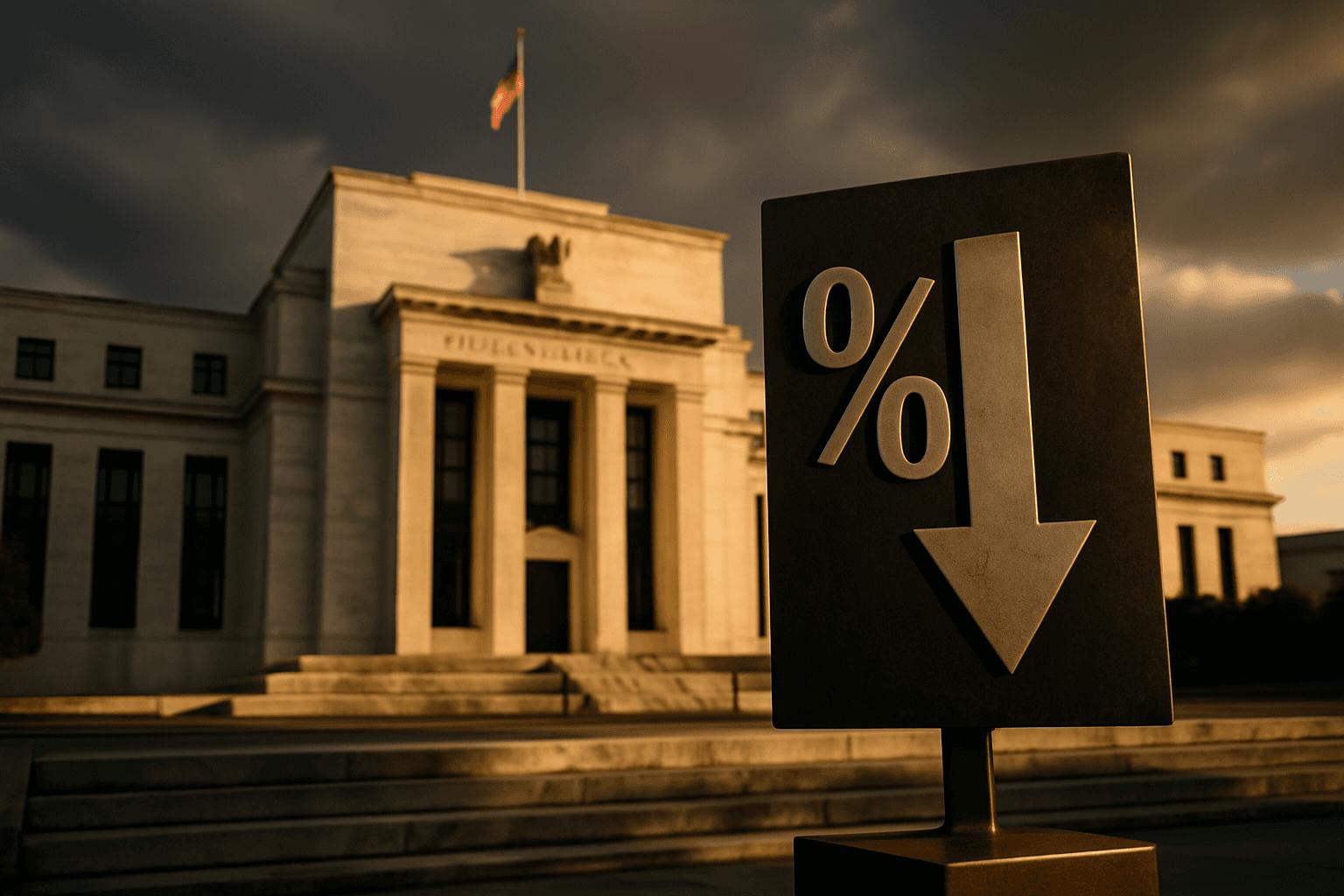
Market reaction is likely to be driven as much by the language accompanying the decision as by the quarter point cut itself. A clear message that the Committee expects to pause could lift Treasury yields and temper a rally in interest rate sensitive equities and housing related sectors. By contrast, a more open door to additional cuts would likely be greeted by further easing in borrowing costs and a positive move in risk assets.
For households and businesses, a 25 basis point reduction is modest in direct dollar terms but important symbolically. It marks a shift away from the aggressive tightening campaign of prior years and signals the Fed’s willingness to respond as conditions evolve. Looking ahead, the central bank faces a narrow path: balancing the need to bring inflation back to goal while avoiding a labor market slump, with future policy decisions set to depend on clearer data that only timely statistics can provide.
Sources:
Know something we missed? Have a correction or additional information?
Submit a Tip