Federal Complaint Alleges Forced Labor at Local Teen Programs
Four young adults filed a federal civil complaint on January 5, 2026, accusing residential therapeutic programs operating as Trails Carolina and Solstice East of systematic abuse, neglect, exploitation and forced labor. The allegations raise fresh concerns in Asheville and Western North Carolina about oversight of out-of-home treatment programs and could prompt further legal and regulatory action locally.
Four young adults filed a federal civil complaint on January 5, 2026, alleging that residential therapeutic programs operated under the Trails Carolina and Solstice East names subjected residents to systematic abuse, coercion and unpaid labor. The complaint names corporate operators including Wilderness Training & Consulting LLC and Family Help & Wellness and asserts 10 causes of action, seeks a jury trial and statutory damages.
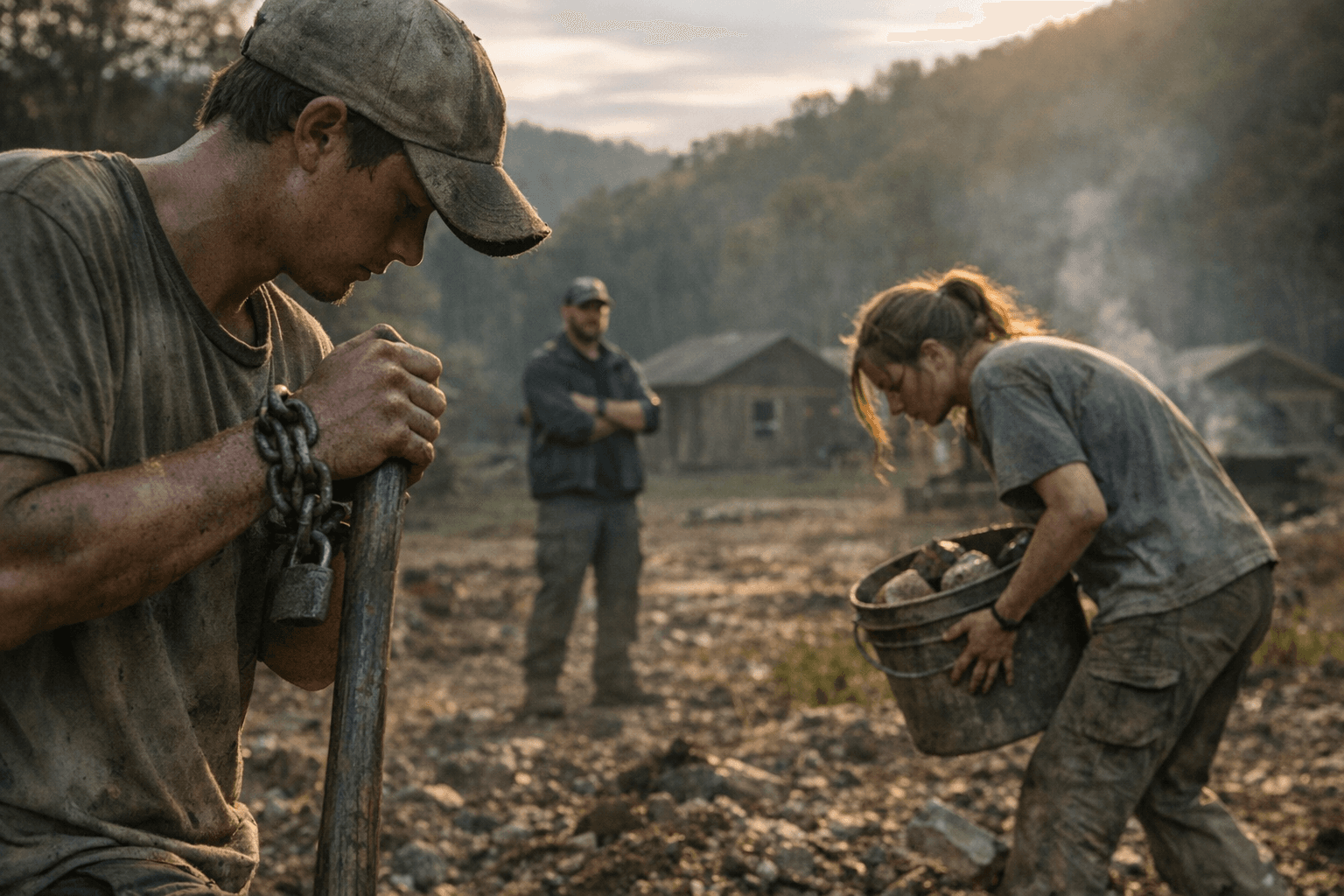
The plaintiffs allege the facilities falsely promised therapeutic services led by qualified staff but instead relied heavily on underqualified young staff and coercive practices. The filing details punitive measures that residents say included public humiliation, invasive strip searches, punitive exercise regimens described as “attack therapy,” physical restraints and other degrading practices. It also alleges that residents were compelled to perform unpaid labor such as kitchen work, groundskeeping and vehicle maintenance.
Among the legal claims are forced labor and trafficking causes that cite federal statutes, including 18 U.S.C. 1590 and provisions of the Trafficking Victims Protection Reauthorization Act. The complaint contends the programs operated as profit-driven enterprises with insufficient clinical oversight and that the alleged practices caused long-term harms to the plaintiffs.
The filing arrives against a backdrop of earlier state regulatory actions and investigations into several residential treatment programs in Western North Carolina after a series of high-profile incidents and deaths led to enhanced oversight and the closure of some facilities. Those prior measures focused local and state attention on standards for staffing, training, reporting and the therapeutic credentials required at programs serving adolescents and young adults.
For residents of Buncombe County and surrounding communities, the complaint underscores persistent questions about how vulnerable young people are protected when placed in out-of-home treatment. Many families in the region have considered or used wilderness and residential programs, and the new federal lawsuit could influence how local courts, regulators and legislators approach licensing, inspections and enforcement.
Legal proceedings are expected to unfold in federal court, and the complaint may spur renewed scrutiny by state regulators and lawmakers considering further reforms. As the case progresses, parents, providers and public officials in Asheville and Western North Carolina will be watching for outcomes that could change requirements for staffing, accountability and oversight at residential therapeutic programs.
Sources:
Know something we missed? Have a correction or additional information?
Submit a Tip