Federal Guidance Clarifies Fast Food Workers Rights to Organize, Discuss Pay
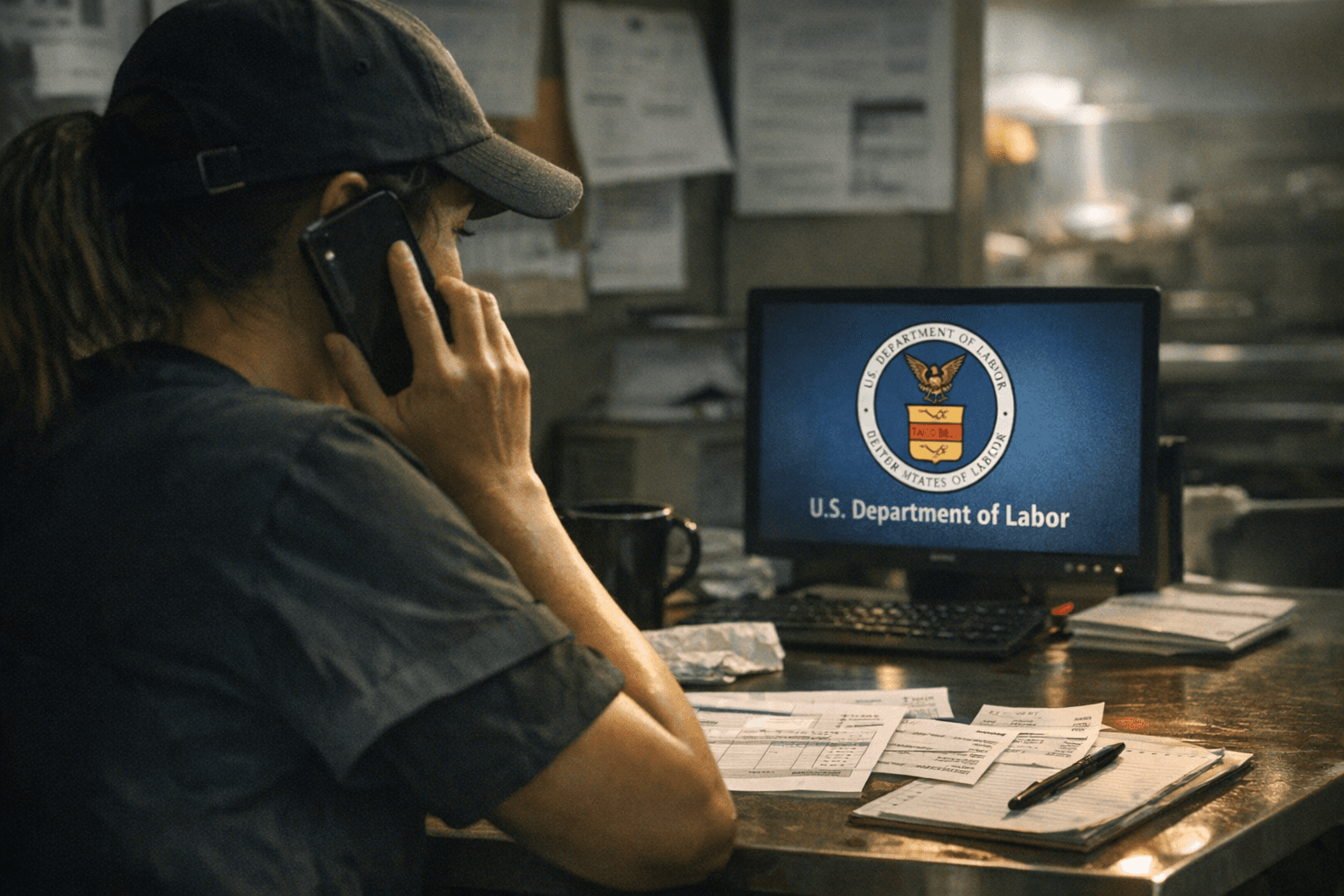
Federal guidance lays out private sector employees rights to engage in protected concerted activity, including discussing wages, organizing and joining unions, and explains protections from employer retaliation. The guidance matters to Taco Bell and other fast food workers because it clarifies how to file unfair labor practice charges with the NLRB and where to seek enforcement for pay and scheduling violations.
Federal guidance makes clear that private sector workers may lawfully discuss wages and working conditions with coworkers, including on social media, and that those actions can qualify as protected concerted activity. The guidance also explains that employers are prohibited from interfering with organizing or retaliating against employees who seek to improve terms and conditions at work. For frontline workers at Taco Bell and other fast food restaurants this guidance can affect day to day conversations about pay, scheduling and workplace conditions, and the legal steps available when managers respond with discipline or termination.
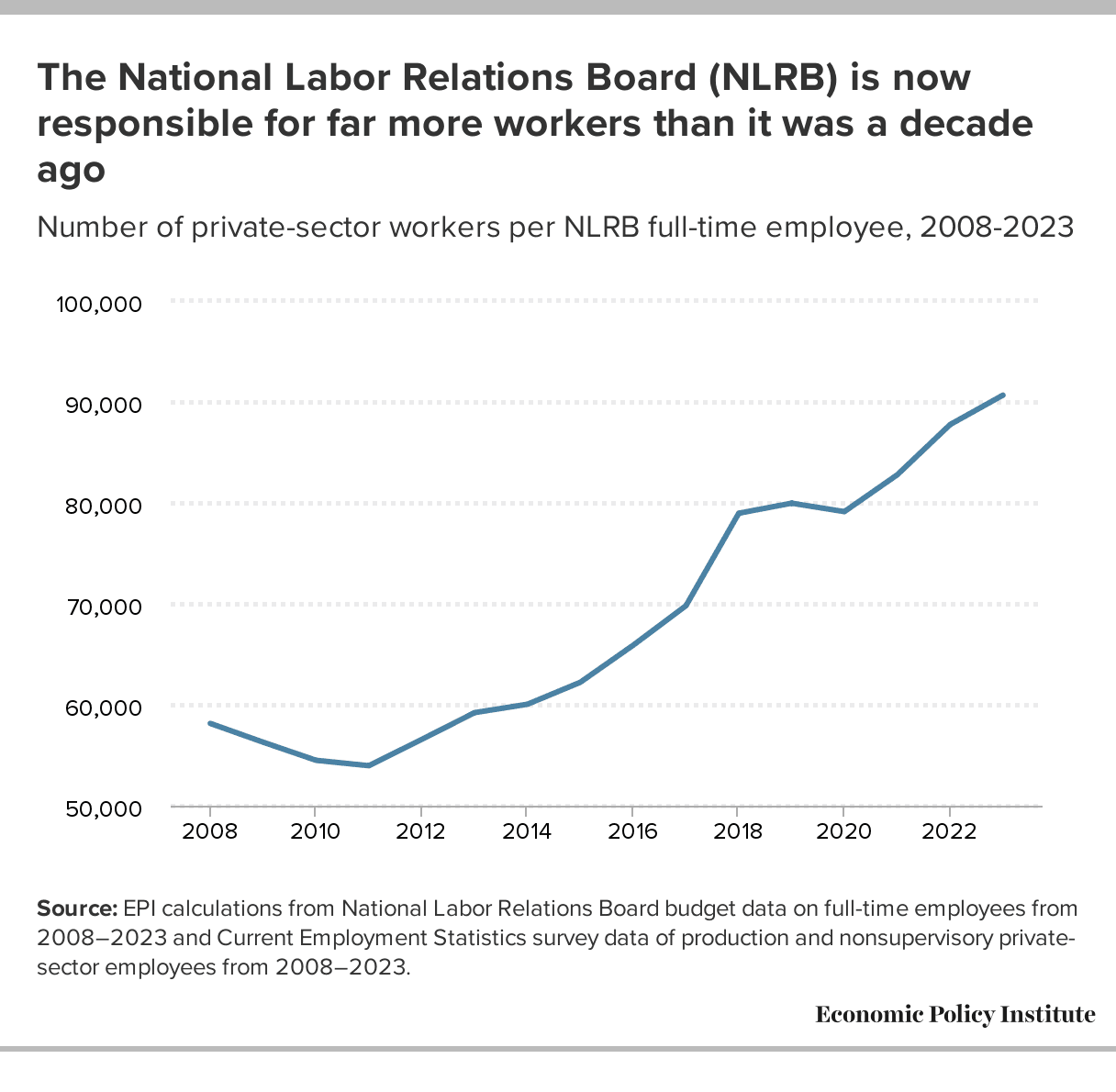
The National Labor Relations Board handles unfair labor practice charges that allege employer interference or retaliation against protected activity. Filing a charge can trigger an NLRB investigation. Time limits are strict in many cases, with charges typically required within six months of the alleged violation and sometimes shorter in particular jurisdictions. Separate federal enforcement for wage theft, unpaid overtime and related claims falls under the Department of Labor Wage and Hour Division, which enforces the Fair Labor Standards Act.
Practical next steps for workers considering collective action include documenting incidents, keeping records of communications about wages and scheduling, and noting dates of any adverse actions by management. Filing an unfair labor practice charge initiates a process that can result in investigations and remedies if violations are found. For pay related claims, contacting the Wage and Hour Division can lead to investigations into wage theft or overtime violations.

The guidance reinforces legal protections but also highlights the real world challenge of workplace dynamics. Employees who raise concerns may still face immediate consequences from managers, and employers may contest whether specific behavior is protected. Knowing the procedural deadlines and the separate roles of the NLRB and the Wage and Hour Division can help workers and advocates navigate complaints and preserve legal options.
Regional NLRB offices and Department of Labor Wage and Hour offices provide intake and hotlines for assistance, and workers who believe they have faced unlawful interference or retaliation should seek help promptly to understand applicable deadlines and filing procedures.
Sources:
Know something we missed? Have a correction or additional information?
Submit a Tip