Federal hemp rule and rescheduling push create new opportunities for Tribes
Federal changes to how hemp is defined and a presidential executive order on cannabis rescheduling are reshaping the legal landscape for hemp and cannabis products. For Menominee County and Tribal Nations, the shifts create an opening for sovereign decisions on production, safety rules, and potentially intertribal commerce that could translate into new businesses and jobs.
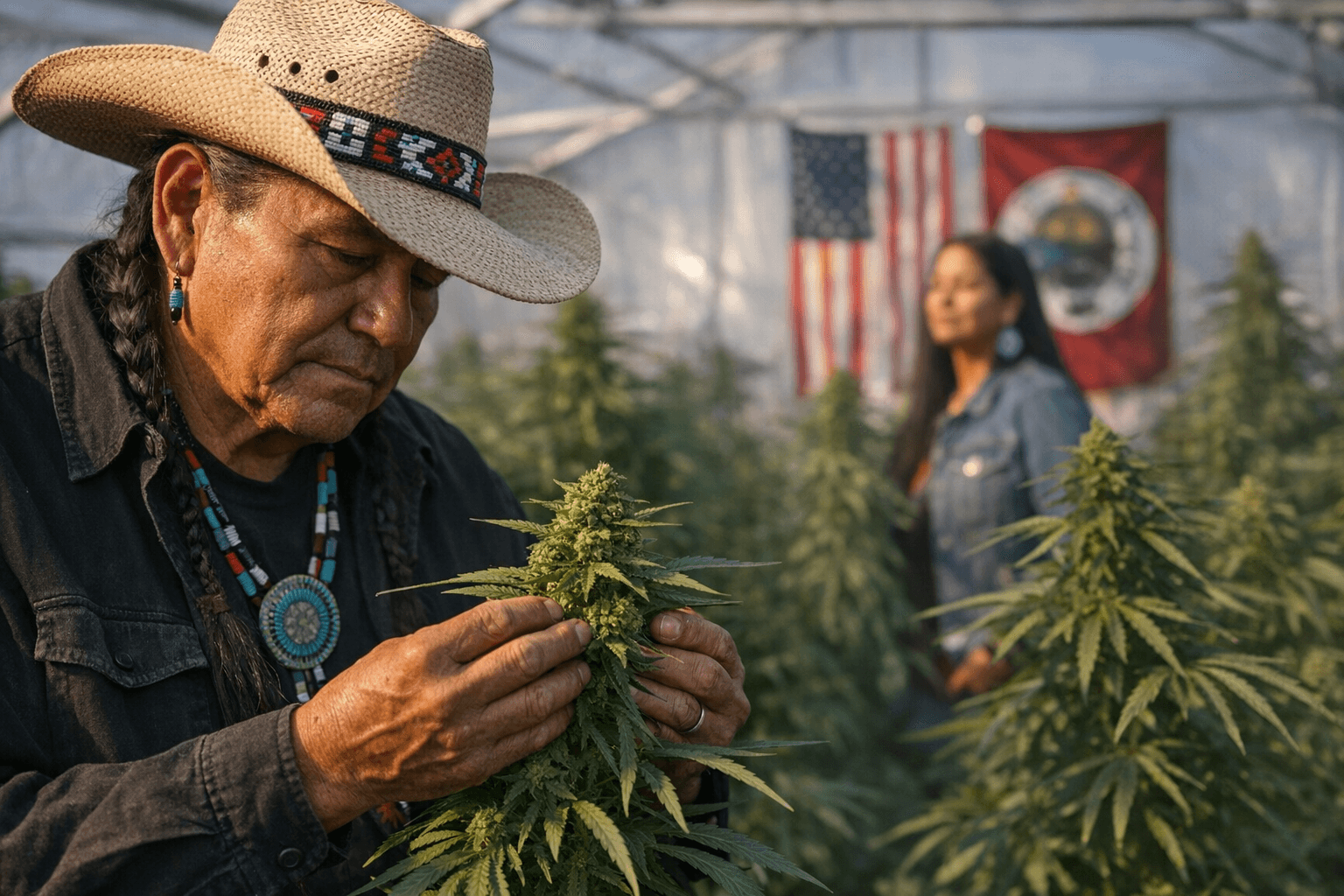
Federal lawmakers in November revised the legal definition of hemp, tightening allowable THC levels and closing regulatory loopholes that helped fuel a scattered market for hemp-derived products. The new standard limits total THC concentration to 0.3 percent on a dry weight basis, or to no more than 0.4 milligrams of total THC per container in a finished hemp-derived product. The rule includes a one-year transition period and goes into full effect in November 2026.
A month after the spending bill change, President Trump signed an executive order directing Attorney General Pam Bondi to accelerate reconsideration of cannabis scheduling at the federal level. The order, which provides no firm timetable, is framed as a move to expand medical research by loosening barriers to study, while not legalizing cannabis outright.
Those twin developments matter in Menominee County because Tribal sovereignty gives the Menominee Nation and other Indigenous communities the authority to set their own rules and pursue economic opportunities on tribal lands. Rob Pero, founder of the Indigenous Cannabis Industry Association and owner of Wisconsin’s first Indigenous-owned hemp farm and THC beverage company, says the rule change will force a period of adjustment. "The ban basically closes the loophole," he said. "The clock is ticking on what that looks like, but I think there’s still a lot of defining and massaging to this language that has to happen from all sectors."
Pero and his organization have partnered with the National Congress of American Indians to push for policy frameworks that protect Tribal choice and enable trade. Two joint resolutions call on federal leaders to support Tribal cannabis sovereignty and intertribal trade, and to back safe regulation of hemp-derived cannabinoids while protecting USDA-approved Tribal hemp programs. Those measures aim to create the legal groundwork for Tribes to build regulated enterprises rather than rely on a patchwork of state rules and informal markets.
Policy analysts say clearer federal standards could reduce risky products and reduce black market exposure. Pero points to beverage and THCA products that currently circulate in convenience stores, and notes safety concerns when potent products are widely available. "You shouldn’t be able to go to a gas station and have a 17-year-old tell you that it’s okay to buy 26% THCA," he said.
Practical hurdles remain. Interstate commerce rules still prohibit cross-state transport of cannabis goods, limiting the scalability of Tribal enterprises that would want to serve broader regional markets. Rescheduling to Schedule III, a step Pero called "commonsense" for research, would not by itself resolve jurisdictional barriers or remove the need for Tribes to govern carefully for community well-being.
For Menominee County, the months ahead will be a policy window. Implementation of the hemp rule through late 2026 gives local leaders and Tribal officials time to frame regulations, evaluate business models and consider partnerships that align with public health, cultural priorities and economic development goals. The regulatory changes could mark a transition from a diffuse, underregulated market to one where Tribal sovereignty shapes safe, locally controlled cannabis and hemp industries.
Sources:
Know something we missed? Have a correction or additional information?
Submit a Tip