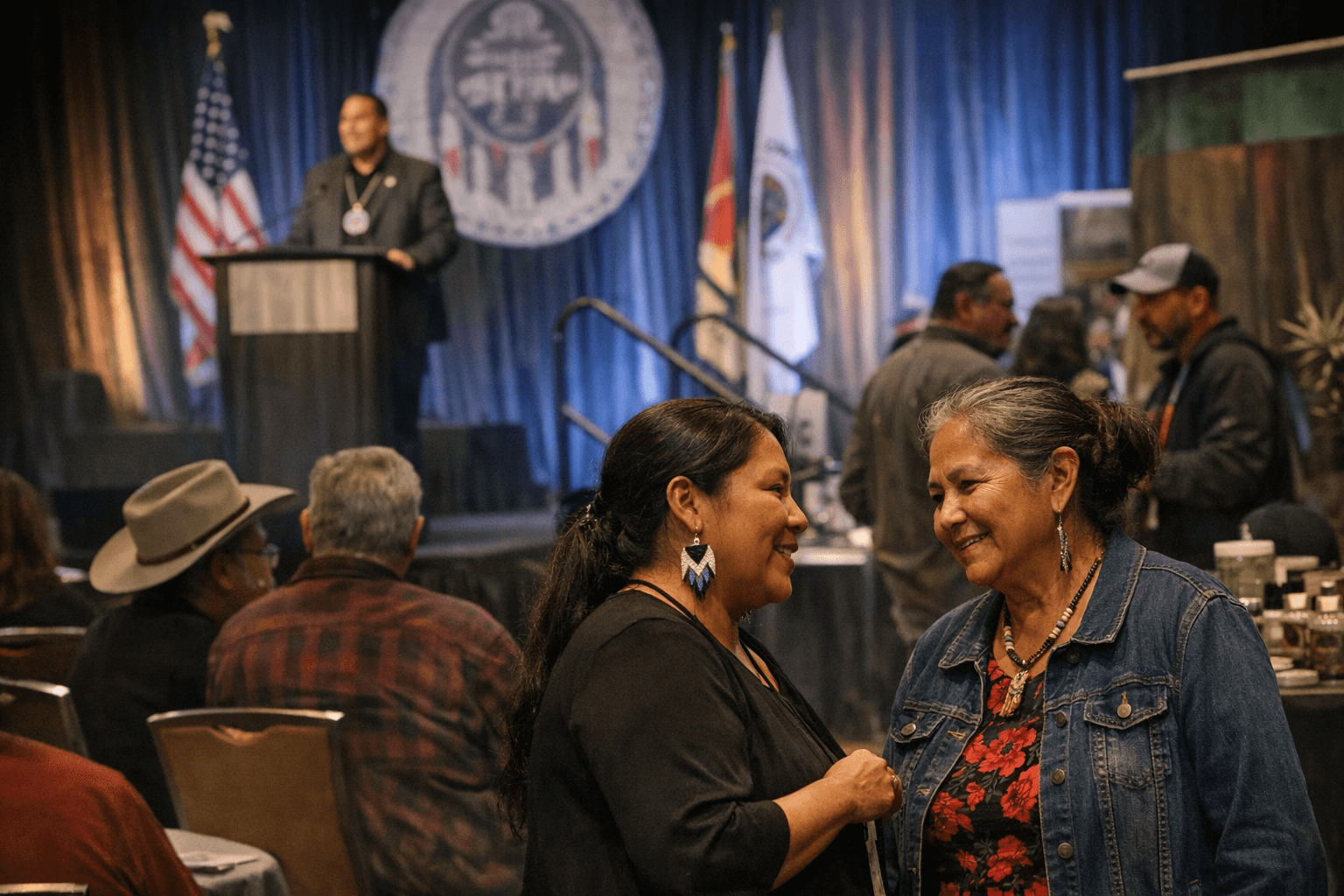
Menominee Forest Model Spurs Local Jobs and Long-Term Stewardship
The Menominee Forest, managed by Menominee Tribal Enterprises (MTE), is widely recognized as a model of sustainable forestry that blends ancestral stewardship with contemporary forest science. Its management shapes local employment, supports timber markets that prioritize certification and ecological integrity, and informs regional policy and workforce programs in Keshena, Neopit and surrounding communities.
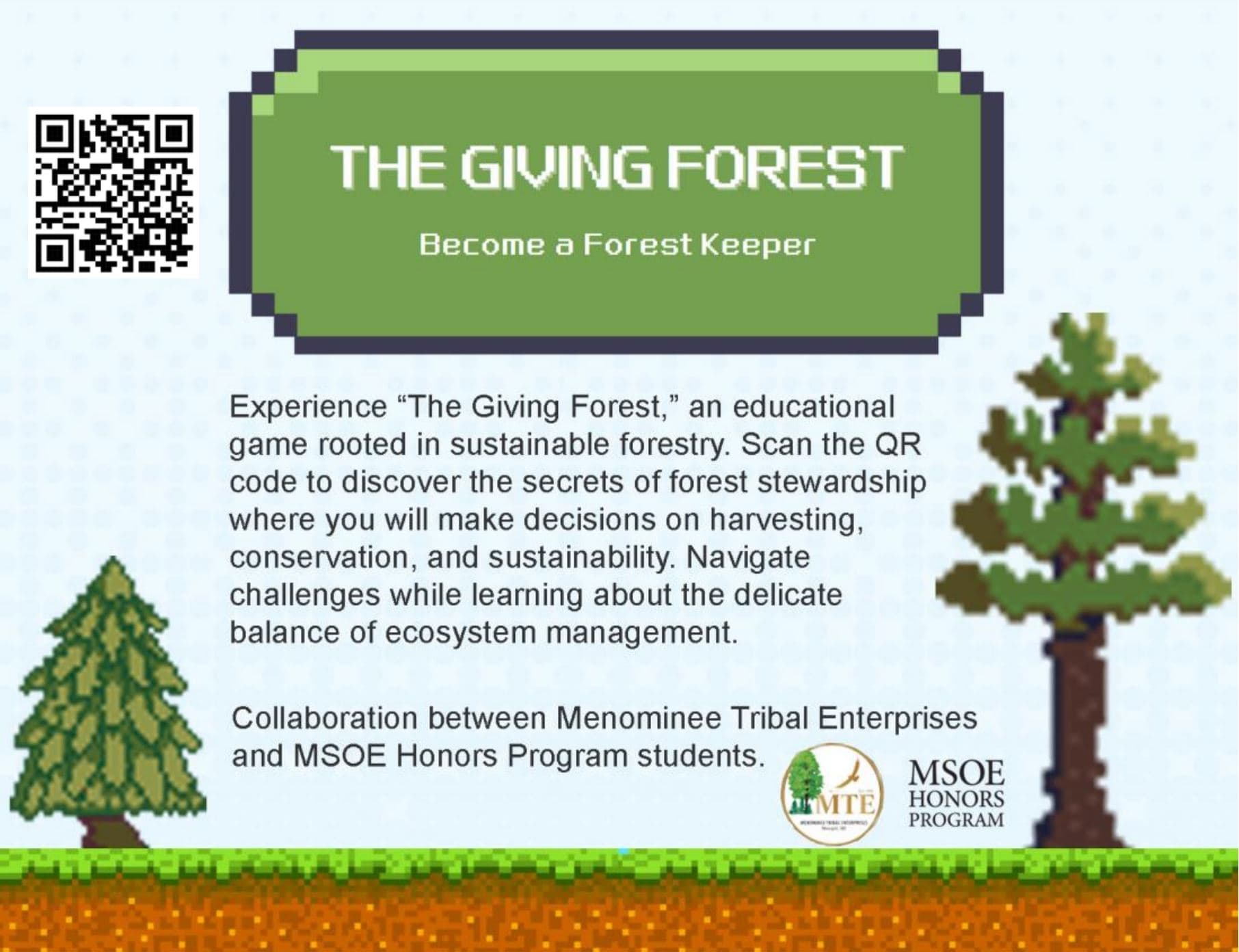
Menominee Tribal Enterprises manages the Menominee Forest with practices that prioritize long-term ecological health and intergenerational stewardship. The forest is described by MTE as the Menominee Nation's spiritual home, and the operation combines ancestral wisdom with modern science to maintain water quality, habitat values and sustained timber production. Those management choices make the forest a national model of sustainable forestry and a touchstone for regional collaboration.
MTE emphasizes long rotation periods in harvesting, careful attention to streams and wetlands, and explicit goals that span generations rather than single harvest cycles. Operations are attentive to certification and building standards, aligning with FSC principles and with LEED-conscious approaches to wood products. That orientation allows MTE to supply timber and wood products while aiming to preserve ecological integrity and landscape function over decades.
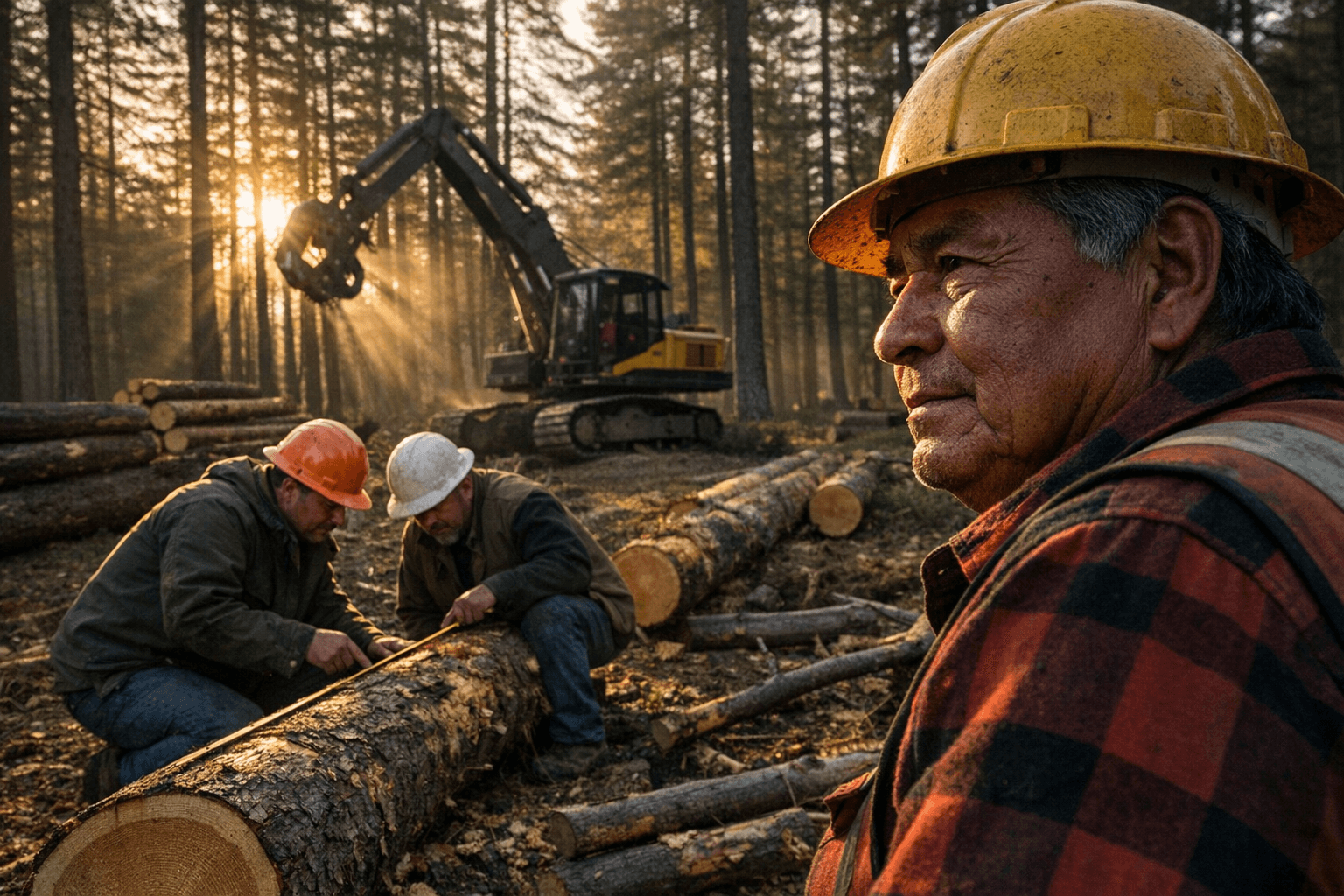
The local economic implications are immediate. MTE is a major employer in Neopit and across the reservation, and its forest management decisions influence jobs in logging, milling, transportation and related services. By prioritizing certified and sustainably produced wood, MTE positions local products for markets that increasingly value environmental credentials, which can support price premiums and market access compared with commodity timber that lacks certification. At the same time, long rotations and conservation priorities can reduce short-term harvest volumes, a trade-off that supports stable yields and ecosystem services over the long run.
Beyond jobs and markets, Menominee forest practices inform local policy and workforce development. The model underpins regional collaborations on sustainable forestry, supports youth programs and educational partnerships, and contributes to economic resilience in Keshena, Neopit and nearby towns that rely on forest-related income. MTE’s news pages highlight a feature by Frank Vaisvilas that outlines these management principles and curates wider coverage exploring the forest’s influence.
For Menominee County residents, the Menominee Forest matters both culturally and economically. Its stewardship choices affect flood and water management, wildlife habitat, and the long-term availability of timber jobs. As demand grows for sustainably sourced materials and as policymakers consider conservation and economic development trade-offs, MTE’s approach offers a practical example of balancing market participation with preservation of land for future generations.
Sources:
Know something we missed? Have a correction or additional information?
Submit a Tip