Indigenous Biz Con Draws Hundreds, Spurs Opportunity for Menominee County
Indigenous Biz Con’s fourth annual conference gathered hundreds Oct. 13–14 at Milwaukee’s Potawatomi Hotel & Casino, with roughly one quarter of attendees traveling from out of state. The event highlighted entrepreneurship, contracting, hemp and cannabis opportunities that could translate into new revenue streams, jobs and partnerships for Menominee County tribal enterprises.
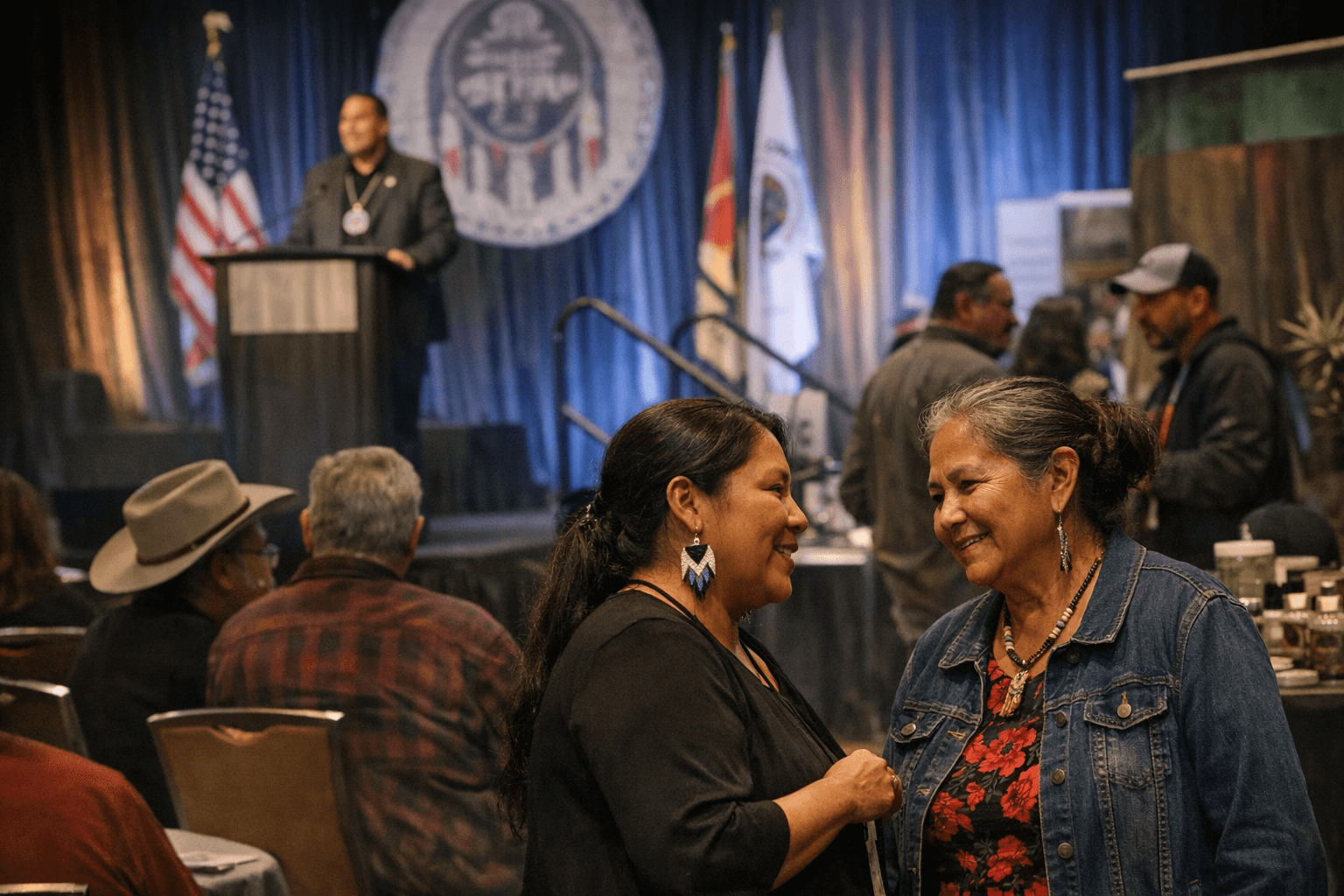
Hundreds of entrepreneurs, tribal leaders and business professionals attended Indigenous Biz Con Oct. 13–14 in Milwaukee, marking the largest turnout in the conference’s four-year history. Organizers reported that about 25 percent of attendees came from outside Wisconsin, underscoring growing regional interest in Indigenous-led commerce. The conference, billed as the state’s largest gathering for Indigenous business, was founded by the Indigenous Business Group and its local co-founders Rob Pero, Zoar Fulwilder and Collin Price.
The 2025 theme, "Rising Tides: Building Economies, Empowering Generations," framed sessions on entrepreneurship, federal and tribal contracting, and nascent markets such as hemp and cannabis. Menominee Nation participants and speakers took part in panels that explored trade advantages for tribal lands and practical steps for cultivating businesses that can leverage tribal sovereignty and reservation-based supply chains.
A keynote address from National Center for American Indian Enterprise Development president Chris James highlighted pressing fiscal risks for tribal enterprises, including funding freezes that can limit capital for business expansion. James urged greater intertribal cooperation to respond to economic threats and secure shared contracting opportunities. That policy context matters locally: limited access to capital and shifting federal and state regulations on hemp and cannabis can shape whether Menominee-area ventures move from pilot projects to sustained employers.
New programming at the 2025 conference included a pitch competition for Native-owned businesses. Winners were Milwaukee-based OTG Muncheez and Shawano Trucking from Michigan, both examples of consumer-facing and logistics-oriented enterprises that could partner with or inspire Menominee County firms. Cultural elements such as a drum ceremony and the lighting of Milwaukee’s Hoan Bridge for Indigenous Peoples’ Day reinforced the event’s blend of commerce and community.
For Menominee County, the conference serves as both marketplace and policy forum. The presence of Zoar Fulwilder, a founder with ties to the Menominee-area community, helped connect local stakeholders to statewide networks. Discussions on hemp, cannabis and contracting point to tangible market implications: tribal enterprises that navigate licensing, regulatory compliance and financing could capture new revenue and create local jobs. Conversely, funding constraints and regulatory uncertainty remain hurdles.
Longer term, the conference’s steady growth suggests a broader trend of expanding Indigenous entrepreneurship and regional collaboration. For Menominee County business leaders and tribal officials, translating conference ideas into concrete projects will require coordinated planning, access to capital, and attention to evolving state and federal rules that govern emerging industries. The networking and policy conversations in Milwaukee offered a roadmap; the next step for local communities is turning those connections into contracts and jobs.
Sources:
Know something we missed? Have a correction or additional information?
Submit a Tip