Federal Immigration Sweep Disrupts Home Depot Parking Lots, Workers
Federal agents carried out Operation Catahoula Crunch in the New Orleans region on December 4, mobilizing Border Patrol and other Department of Homeland Security personnel and conducting detentions near retail centers. The presence of agents in Home Depot parking lots and nearby day labor markets prompted fear driven staffing disruptions, temporary closures, and increased community monitoring, raising questions from legal and civil rights groups about enforcement priorities.
On December 4 federal immigration enforcement activity identified as Operation Catahoula Crunch unfolded across the New Orleans metropolitan area, bringing Border Patrol and other Department of Homeland Security agents into neighborhoods and commercial corridors. Enforcement operations included detentions and visible patrols, with agents observed in the parking lots of multiple Home Depot stores in the metro area. The sweep prompted an immediate and uneven reaction among businesses and workers in affected communities.
Some employers temporarily closed stores or asked employees to stay home out of fear and uncertainty about safety and potential detentions. Frontline Home Depot employees faced disrupted schedules and reduced staffing as workers remained away from shifts or transportation options became constrained. The presence of federal agents in retail parking areas also disrupted customer traffic and day labor queues that commonly form near home improvement stores, intensifying strain on workers who rely on hourly and daily hiring patterns.
Community groups and advocates mobilized to monitor sweep locations and to provide legal and social support to those detained or at risk. Legal and civil rights groups publicly questioned claims that the operation targeted only "the worst of the worst", arguing that such enforcement can sweep up frontline workers and community members who are neither violent nor high priority. Those groups said monitoring was necessary to protect civil liberties and to document encounters between residents and federal agents.
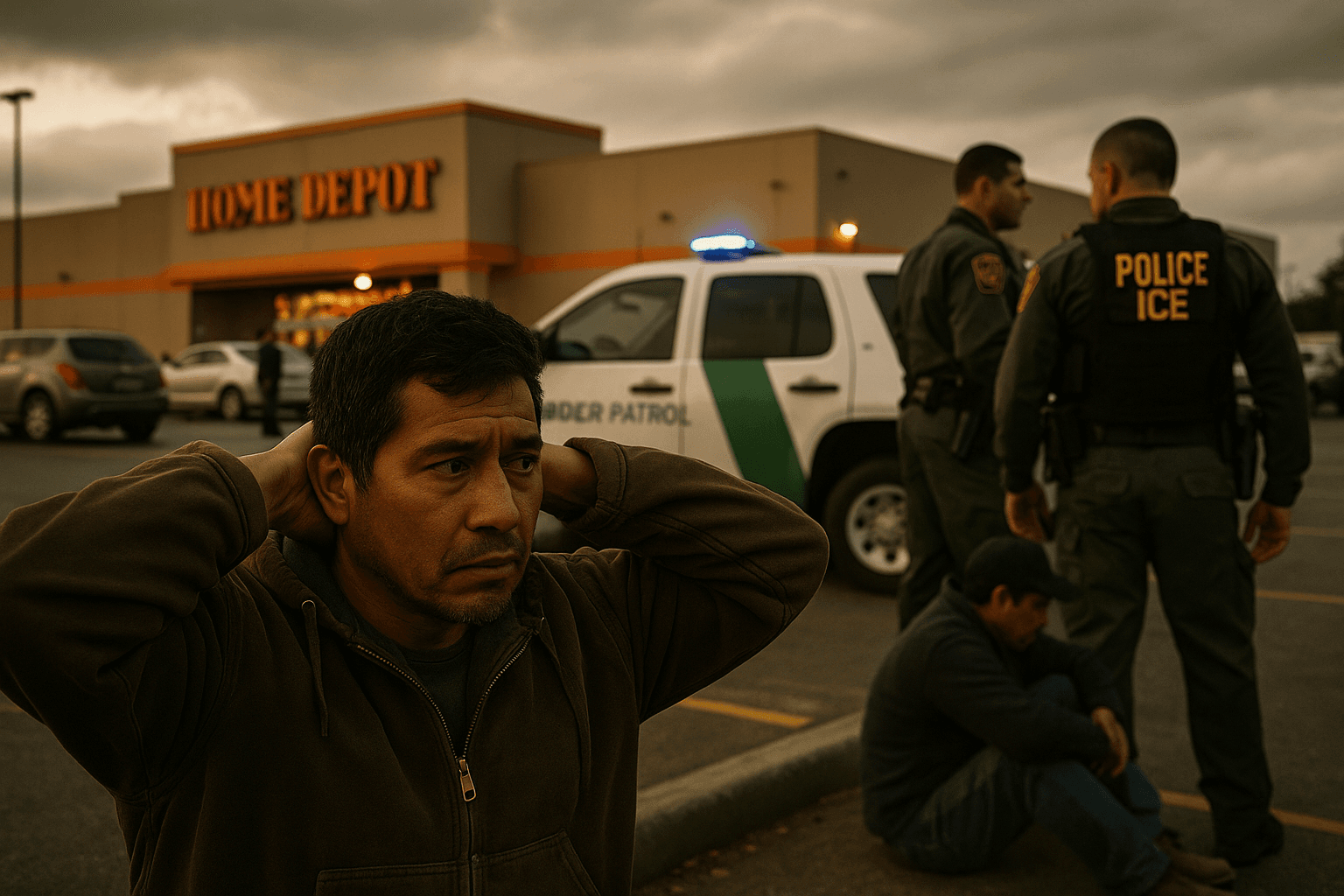
For Home Depot workers the operation highlighted a fragile balance between store operations and community conditions. Managers had to adjust staffing and customer service plans on short notice while employees navigated concerns about commuting and public interactions with law enforcement. Nearby day labor markets, already precarious, experienced further disruption as potential workers feared gathering in public spaces tied to hiring.
The sweep underscored broader workplace and community implications of immigration enforcement in commercial areas. As local advocates continue to track enforcement activity, affected employees and employers face immediate questions about scheduling, legal rights, and how to maintain safe workplaces when federal operations intersect with routine retail and hiring practices.
Sources:
Know something we missed? Have a correction or additional information?
Submit a Tip