Federal Judge to Hear Emergency Challenge to AFSCME Local 44 Election
A federal judge agreed on December 5 to hear an emergency motion filed by sanitation worker Stancil McNair and five others seeking to block a do over election for AFSCME Local 44 that a union judicial panel ordered. The outcome matters to Baltimore residents because it will determine which leadership team controls bargaining and grievance handling for municipal workers during a period of complaints about low pay and hazardous working conditions.
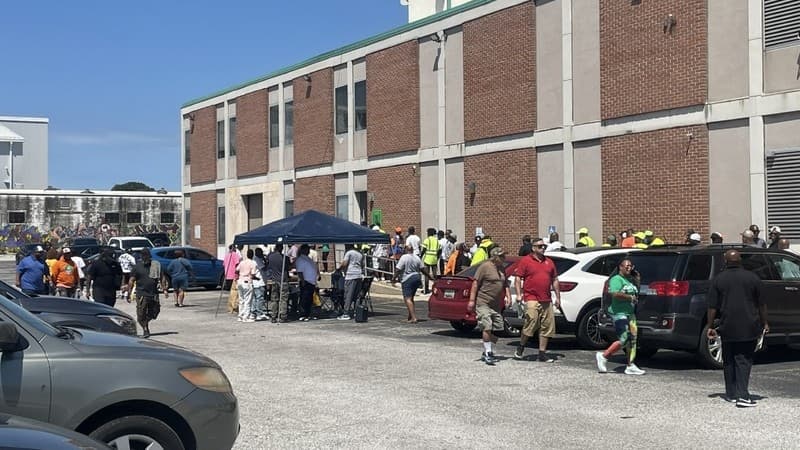
A group of six municipal workers, led by sanitation worker Stancil McNair, asked a federal court to stop a do over election that an AFSCME judicial panel ordered after disputes over the August leadership vote. The plaintiffs, who say they were the valid winners of the original August election, sought a temporary restraining order and a preliminary injunction arguing the planned re run is unlawful and unjustifiable and that they were blocked from performing union duties after being sworn in.
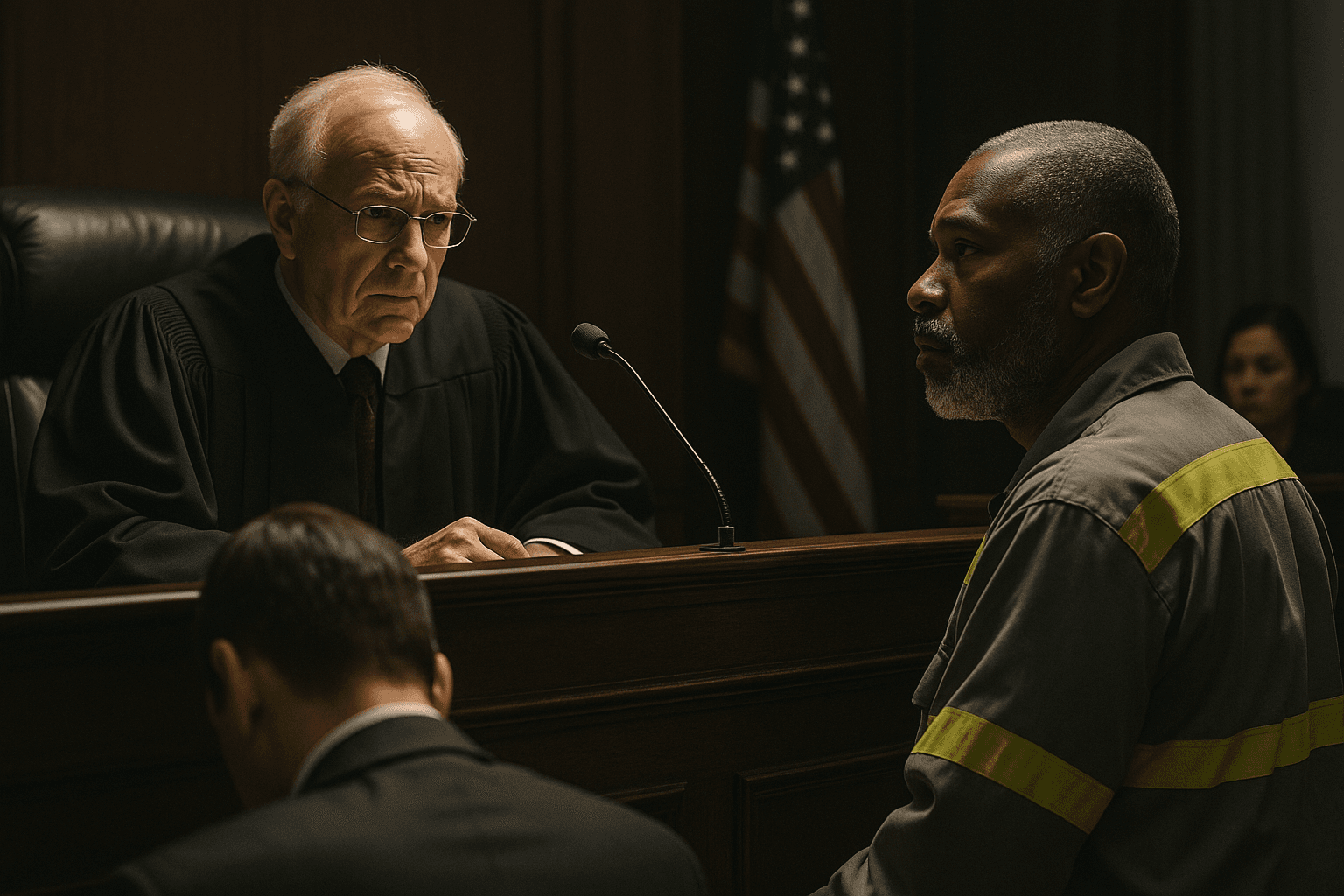
At the request of AFSCME International the case was transferred to U.S. District Court and assigned to Judge Adam B. Abelson. The judge agreed on December 5 to hear the emergency motion, setting the dispute on a federal track as union governance and internal procedures are litigated. The litigation follows the panel s order for a do over, which came after allegations that the Baltimore Inspector General s social media activity had interfered in internal union affairs.
The legal fight is not only a procedural matter inside the union. AFSCME Local 44 represents city employees including street sanitation crews who handle daily trash collection and public health related services. Control of union leadership affects bargaining strategy, grievance processing, and momentum on workplace safety initiatives. City residents could see indirect effects on service quality if leadership instability delays contract talks or diminishes the union s ability to advance safety improvements that members have cited as urgent.
The dispute also underscores ongoing rank and file complaints about low pay and hazardous working conditions that have animated recent activism among municipal workers. Those material concerns are likely to shape how members view the legitimacy of any leadership that emerges from a contested process. Legal outcomes in federal court will influence whether the contested leadership takes office now, whether a re run proceeds, or whether the case returns to union adjudication.
For Baltimore taxpayers and residents the case introduces uncertainty into the timing of bargaining and the administration of union representation for frontline municipal employees. The federal court s decisions on temporary relief will be the immediate determinant of which side is empowered to act while the broader litigation and any internal union review continue.
Sources:
Know something we missed? Have a correction or additional information?
Submit a Tip