Sanitation Union Reelects McNair, Renewed Focus on Safety and Pay
After an AFSCME ordered do over and a court challenge, Stancil McNair defeated Trevor Taylor again in the December 6 rerun by 149 to 121, improving on the August margin. The outcome could shift Local 44 leadership toward restoring rank and file influence and pressing city officials on safety and pay at a time when sanitation wages have recently risen.

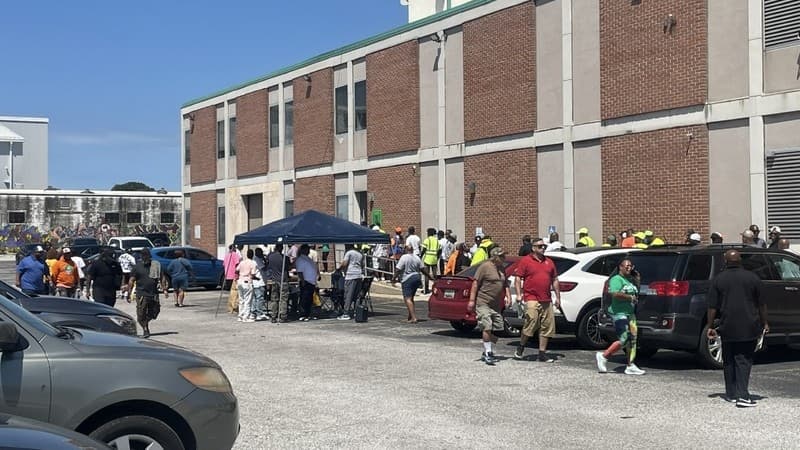
Stancil McNair secured a second victory in the contested race for president of AFSCME Local 44 on December 6, winning 149 to 121 in a rerun ordered by the national union after a court challenge. The result strengthened McNair's mandate compared with the August vote, when he carried the contest 125 to 103, and it sets the stage for a change in how the union presses management on workplace safety and compensation for city sanitation workers.
The rerun followed legal and internal disputes that left the union’s top office constrained since the summer. McNair ran as an insurgent candidate on promises to restore rank and file influence, improve safety protocols, and build on recent pay gains negotiated with the city. He has indicated he will set priorities and assert authority that he said was limited after the contested August outcome.
Other executive board races produced mixed results, with some slates succeeding and a vice presidential contest heading to a runoff. Those unsettled leadership contests mean the full direction of the union remains in formation even as the presidency has been decided.
The outcome matters to Baltimore residents because the union represents the workforce that keeps the city’s streets and neighborhoods free of refuse. Reliable sanitation services are a foundational public health measure. When collections falter or when safety risks force staffing reductions, communities face increased exposure to vermin, trash accumulation, and related environmental hazards. For neighborhoods that have historically borne disproportionate burdens of environmental neglect, the union’s ability to secure safe staffing levels and enforce protocols is a matter of health equity.

The election also intersects with recent contract gains. The city negotiated raises for sanitation workers this year, which improved pay but did not erase longstanding concerns about dangerous working conditions. Union leadership will be tested on translating contract language into day to day safety practices and on ensuring disciplinary and staffing decisions reflect rank and file input.
As McNair moves to consolidate authority, the union’s next weeks will determine whether this leadership change produces concrete improvements in workplace safety, service reliability, and equitable treatment for the men and women who collect the city’s trash. Neighborhoods and public health advocates will be watching how the new leadership follows through.
Sources:
Know something we missed? Have a correction or additional information?
Submit a Tip