Federal NATIVE Act Update Could Boost Hawaiian Cultural Tourism
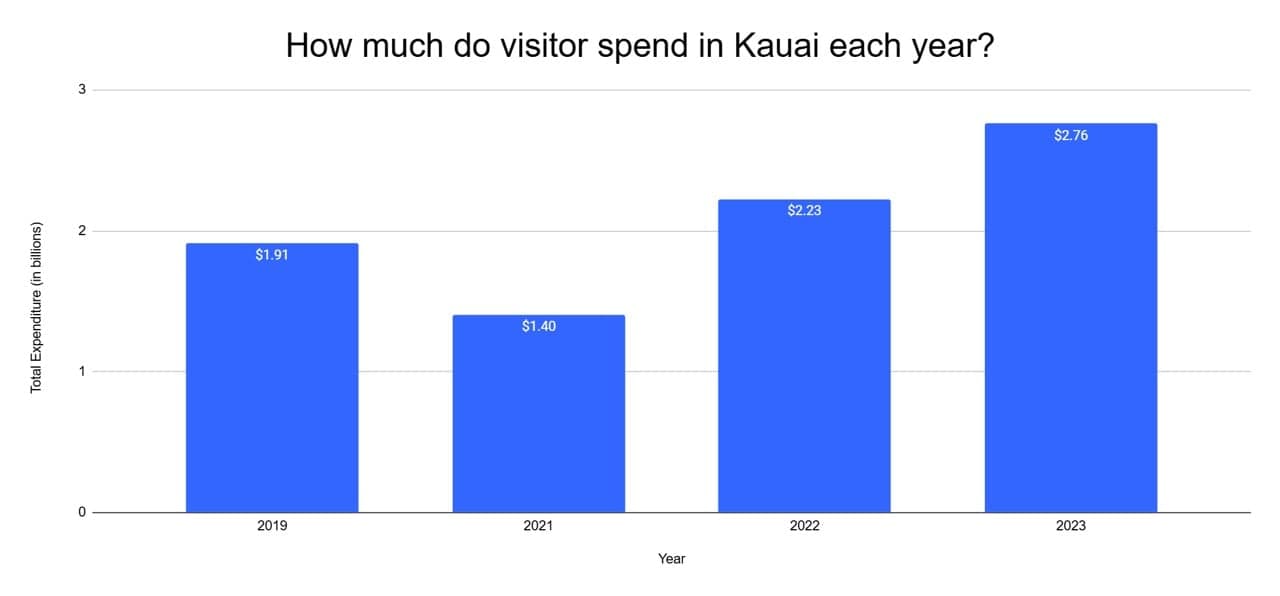
U.S. Senator Brian Schatz secured bipartisan congressional action to update the Native American Tourism and Improving Visitor Experience (NATIVE) Act, a measure designed to make federal resources more accessible to Native communities and strengthen native-led cultural tourism. The Senate passed the update unanimously on January 5, 2026, a development that could expand technical and financial support for Hawaiian cultural tourism initiatives across Kaua‘i and the state.
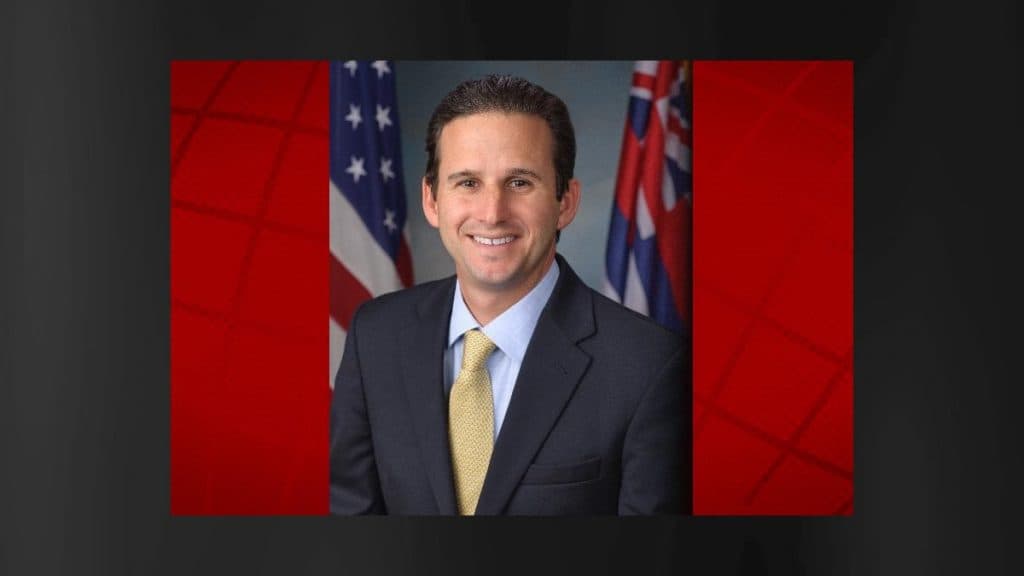
The Senate unanimously approved an update to the Native American Tourism and Improving Visitor Experience (NATIVE) Act on January 5, 2026, after Senator Brian Schatz secured bipartisan backing for changes intended to broaden access to federal resources for Native communities. The legislative update targets programs that support native-led cultural tourism initiatives by directing more technical and financial assistance to communities working to develop culturally appropriate visitor experiences.
Passage in the Senate represents a significant legislative milestone for advocates of indigenous cultural tourism. The measure is aimed at strengthening native tourism operations, aiding communities in building capacity to manage visitor experiences that reflect and protect cultural traditions, and improving coordination with federal programs. By prioritizing native-led projects, the update seeks to give communities greater control over how culture is presented to visitors while also linking tourism development to economic and cultural goals.
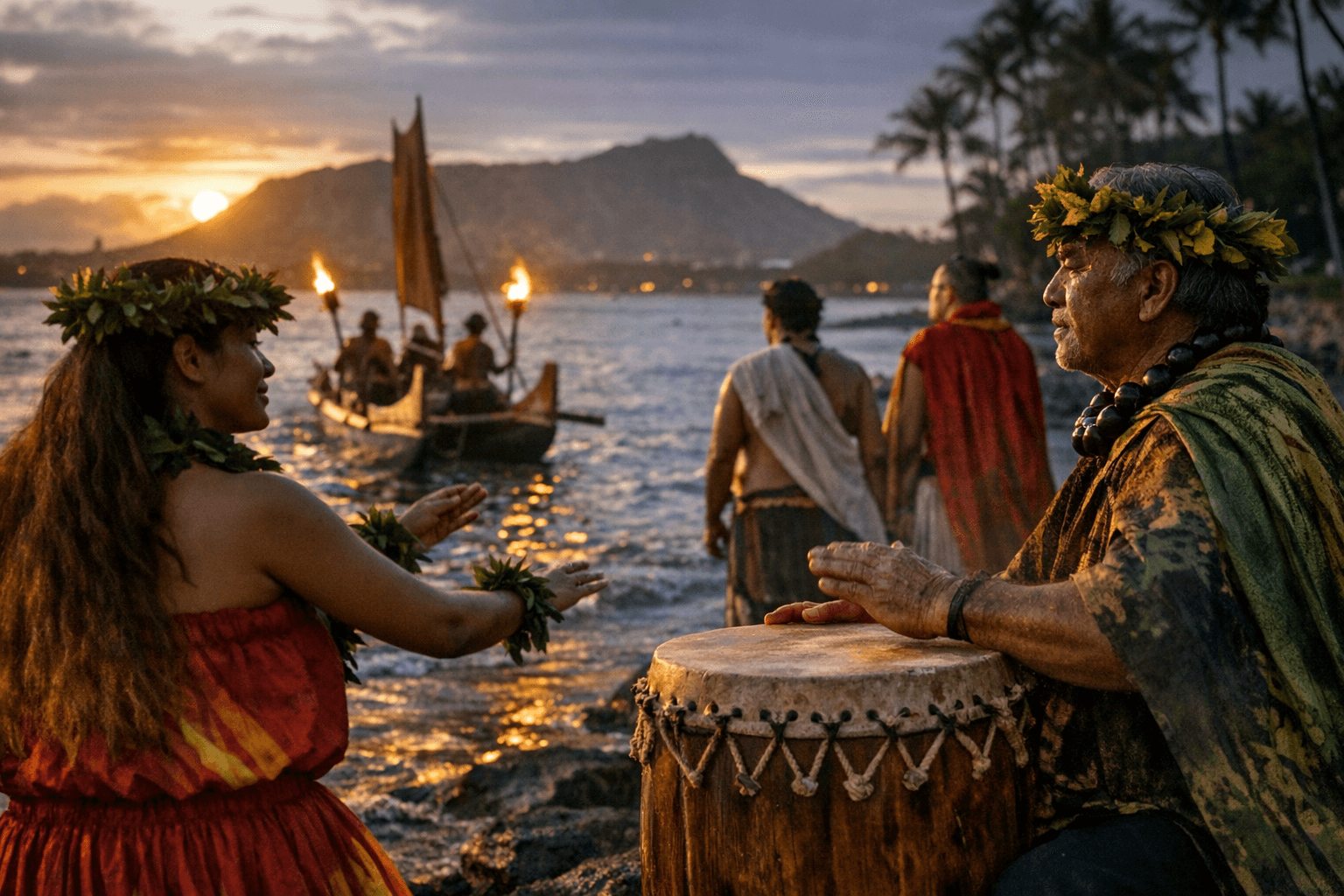
For Kaua‘i residents, the policy could translate into tangible economic opportunities and stronger cultural stewardship. Hawaiian cultural tourism is already an important component of the islands’ visitor economy; increased access to federal technical assistance and targeted funding can help small native-owned businesses, cultural practitioners, and community organizations develop sustainable visitor programs. That can mean more local jobs, diversified income streams beyond traditional hospitality roles, and resources for long-term preservation of language, crafts, and ceremonial practice tied to visitor education.
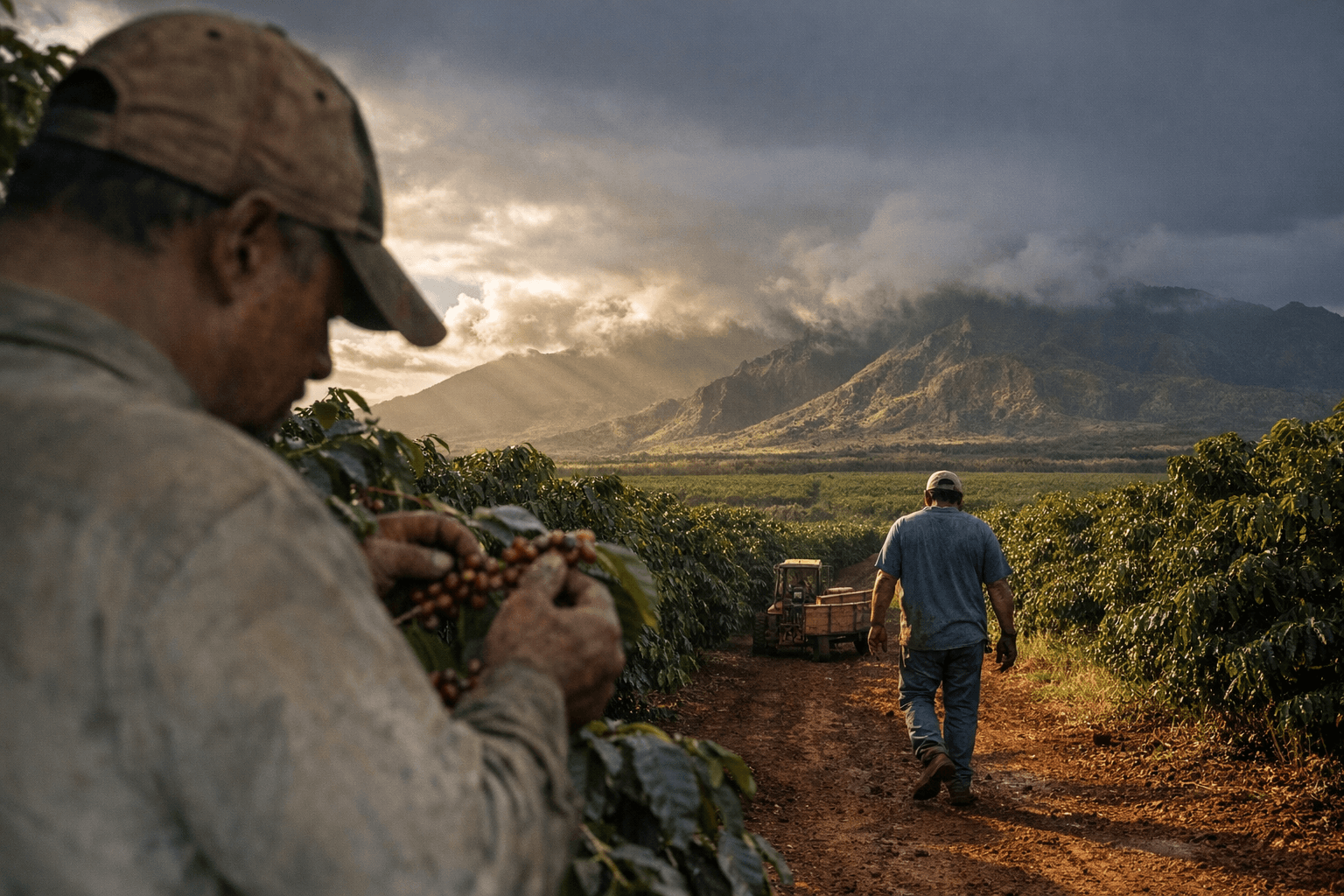
Local governments and community groups will play a central role in converting potential federal support into on-the-ground projects. Federal assistance that focuses on training, planning, and culturally informed marketing can reduce barriers for Native Hawaiian entrepreneurs seeking to offer guided cultural experiences, workshops, and interpretive sites. Importantly, the update emphasizes culturally appropriate development, signaling a shift toward tourism models shaped and led by the communities they represent rather than by outside commercial interests.
The Senate vote clears a major hurdle in the legislative process and underscores broad congressional interest in supporting indigenous-led economic development through tourism. If enacted into law, the update to the NATIVE Act could reshape how cultural tourism funds and expertise flow to Kaua‘i and other Hawaiian communities, balancing opportunities for economic growth with the preservation of cultural integrity. Local stakeholders will now be watching next steps in Congress and preparing to apply for technical and financial assistance should federal programs expand under the new statute.
Sources:
Know something we missed? Have a correction or additional information?
Submit a Tip