Federal Prison Term for Wake County Man Over Child Images
A federal judge sentenced 45 year old Joseph Dobbs to 11 years and 2 months in prison after a jury convicted him of second degree sexual exploitation of a minor and failing to register as a sex offender. The case, uncovered when a supervisor noticed suspected child sexual abuse material during a remote session, underscores workplace and registry enforcement issues that affect Wake County residents.
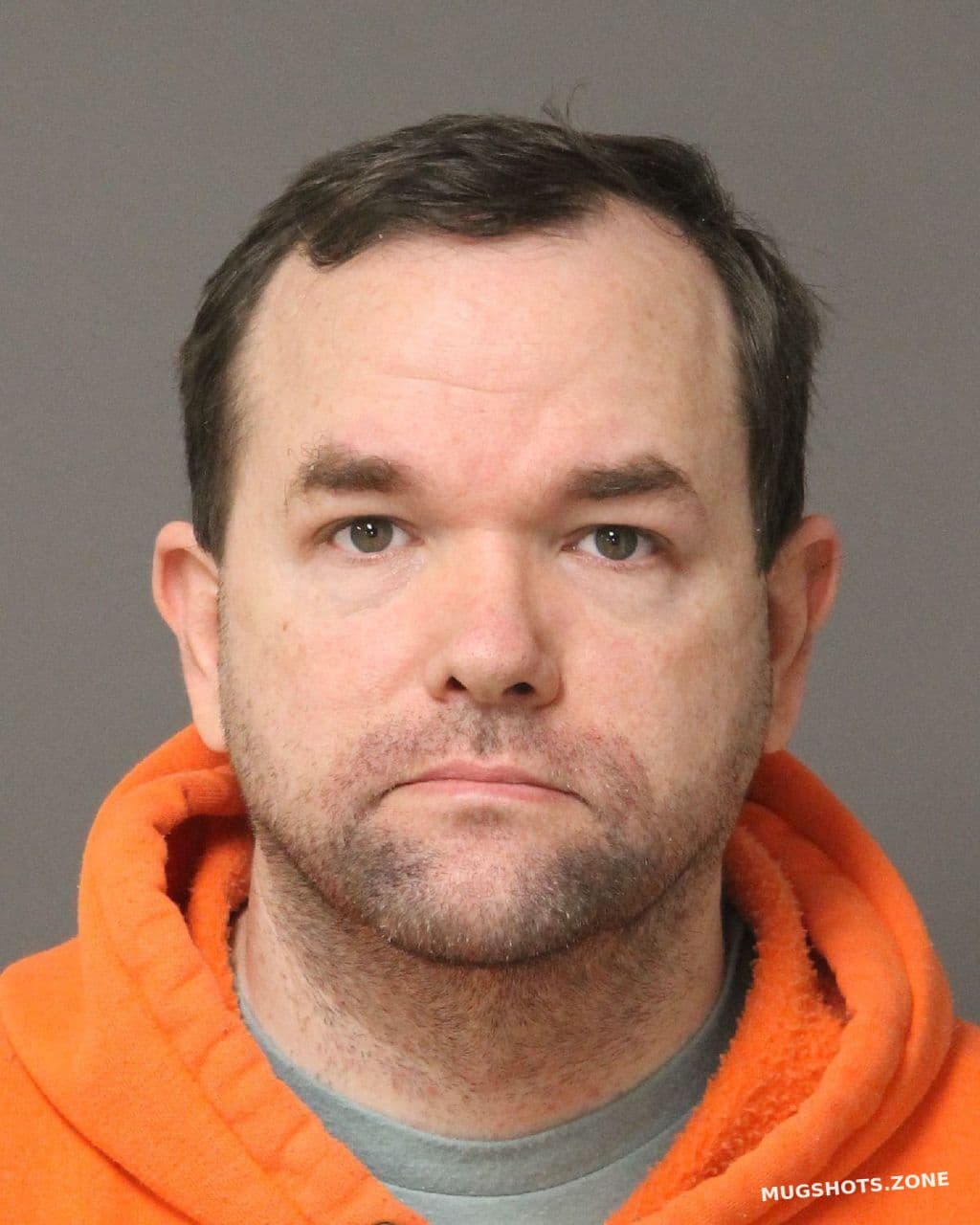
A federal court in the Eastern District handed down a prison sentence on December 11, 2025, to Joseph Dobbs, 45, after a jury found him guilty of second degree sexual exploitation of a minor and failing to register as a sex offender. The U.S. Attorney's Office prosecuted the case, highlighting the seriousness of offenses that involve child sexual abuse material and noncompliance with registration requirements.
The investigation began when a supervisor observed suspected child sexual abuse material on Dobbs's work laptop during a remote session. Federal investigators executed a search of the laptop and the employer's company backup servers. Authorities recovered more than 300 illicit images, with many files depicting children under 12. The evidence gathered from both the primary device and the backup systems formed the basis for the criminal charges and the jury conviction.
The sentence of 11 years and 2 months reflects federal sentencing guidelines applied to exploitation of a minor and the added charge for failing to maintain registration as required of prior offenders. The failing to register count indicates Dobbs had been subject to sex offender registration obligations before this prosecution. The U.S. Attorney's Office led the prosecution, emphasizing accountability in cases involving vulnerable victims and digital evidence.
For Wake County residents the case carries several implications. Employers who provide remote access or maintain centralized backups may face increased scrutiny over internal controls, employee supervision, and procedures for reporting suspected illegal material. The case also spotlights the role of digital forensics in investigations and the need for law enforcement and community partners to ensure sex offender registries are enforced and updated.
Community safety depends on timely reporting and clear policies within workplaces and institutions that handle remote connections and data retention. Law enforcement agencies and the U.S. Attorney's Office will continue to prioritize prosecutions involving child sexual abuse material, and the conviction and sentence in this case serve as a reminder of the legal consequences for both exploitation offenses and failures to comply with registration requirements.
Sources:
Know something we missed? Have a correction or additional information?
Submit a Tip