Finland’s Summa Defence Delivers ZEUS FPV Drones to Ukraine
Summa Defence Plc delivered the first production batch of its ZEUS family of FPV drones to Ukrainian forces and announced the start of industrial-scale manufacturing. The rollout signals growing European capacity for high-volume FPV production, a shift that could affect component availability, prices, and technology options for drone racers and builders.
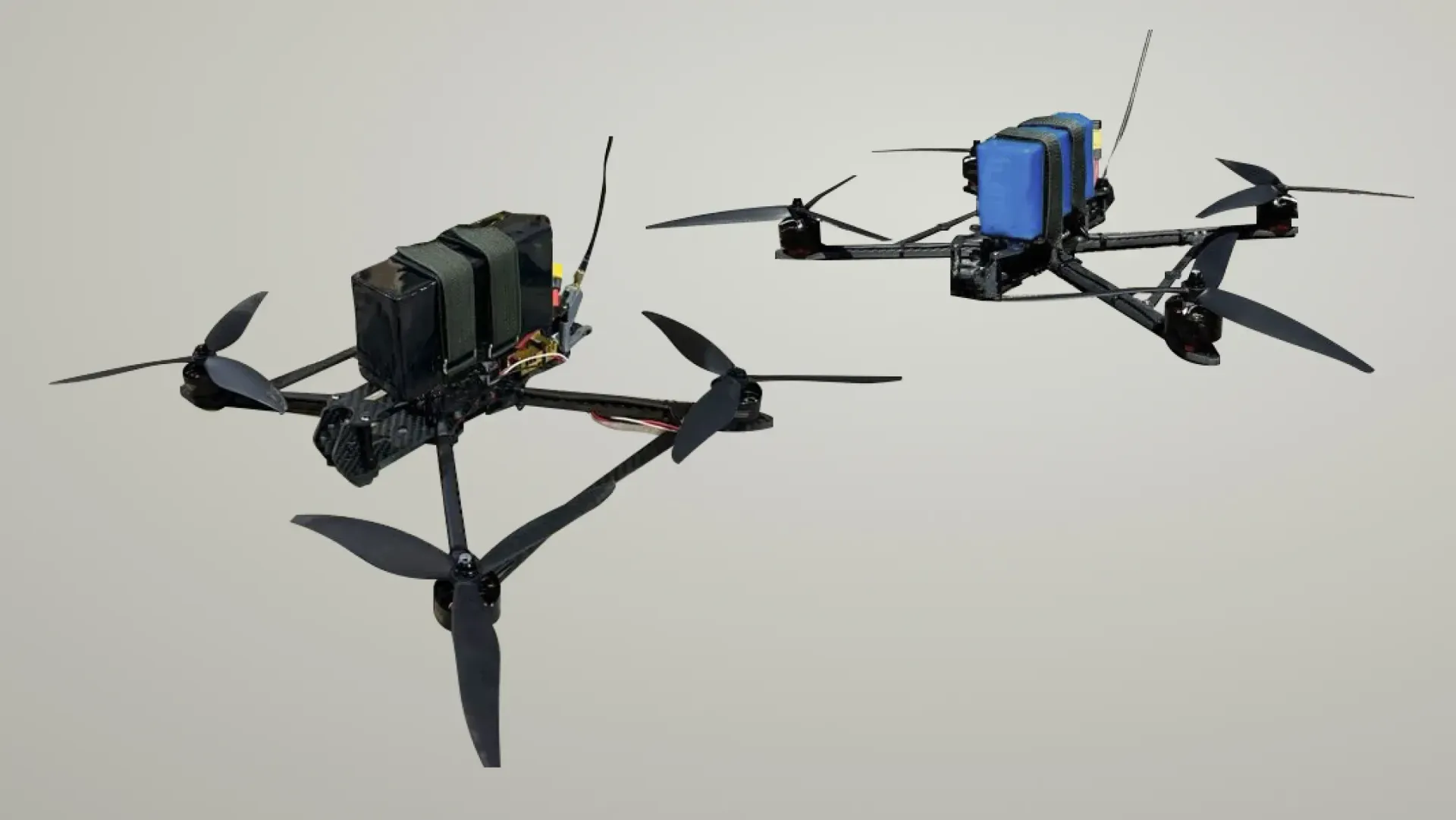
Summa Defence completed delivery of the initial production run of its ZEUS family of first-person-view (FPV) drones and moved into industrial-scale manufacturing in late December 2025. The ZEUS line is multi-variant, spanning a 2.5-inch micro model and larger 11-inch and 13-inch platforms, and includes versions built for fiber-optic control as well as conventional radio control.
On the small end, the 2.5-inch ZEUS variant is rated for about a 2-kilometer range, roughly 8 to 10 minutes of endurance at typical speeds, and a 300-gram payload capacity. The 11-inch and 13-inch variants are aimed at heavier duty roles: fiber-optic versions of the 11-inch are cited with about a 15-kilometer range while carrying approximately 3 kilograms, and non-fiber variants are reported to claim even longer ranges and significantly larger payload capacities. Summa Defence reports the systems were tested in combat conditions and that user feedback was positive, with plans to scale production further in 2026.
For the racing and FPV community, the immediate significance is not battlefield use but supply-chain and technology ripple effects. Industrial manufacturing at scale can increase availability and lower unit costs for components such as durable frames, high-capacity batteries, reinforced motors, and heavy-duty electronic speed controllers. Expect manufacturers and suppliers to target higher-volume markets, which can make robust parts more accessible to civilian pilots and builders who need tougher gear for long-range or heavy-lift projects.

This development also raises practical considerations for pilots and clubs. Watch for new component models and revisions that trace back to industrial programs; check compatibility with existing stacks and frames before buying. Expect a gradual introduction of heavier, longer-range parts that may expand what recreational pilots can safely attempt, but verify local flight rules and safety requirements before adapting defense-grade or industrial components to civilian use.
The broader trend points to deeper cooperation between European industrial suppliers and Ukrainian partners, and a maturing FPV manufacturing base on the continent. For crews who build and race, that means more choices and potentially better-built hardware arriving through mainstream channels in 2026 and beyond.
Sources:
Know something we missed? Have a correction or additional information?
Submit a Tip