Five charged in Polish probe of alleged Russian-led explosive parcel plot
Poland charged five men over an alleged Russian-run scheme to send explosive parcels across Europe and toward North America; convictions could carry life sentences.
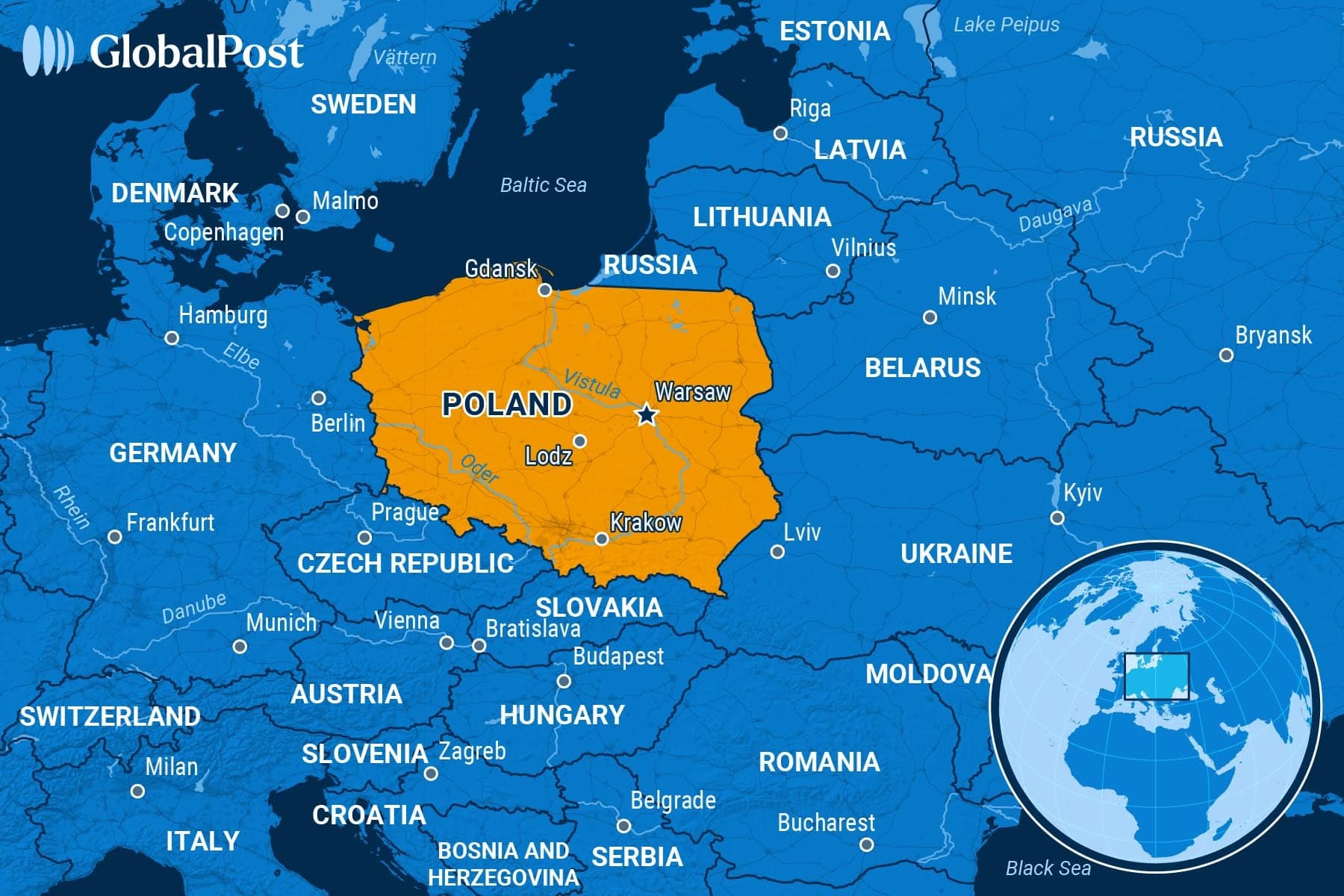
Polish prosecutors have formally charged five men over an alleged sabotage operation that sent explosive and incendiary parcels to multiple countries, in what authorities described as a Russian-run intelligence operation. The National Prosecutor’s Office said the defendants face charges of preparing and committing acts of sabotage of a terrorist nature on behalf of foreign intelligence and that a guilty verdict could carry life imprisonment.
Under Polish privacy rules the accused are identified only by partial names: four Ukrainian citizens, Vladyslav D., Viacheslav C., Vladyslav B. and Serhii Y., and one Russian, Aleksandr B. All five are in pretrial detention. Prosecutors say the scheme targeted logistics and aviation infrastructure and involved designing, preparing and dispatching courier consignments with hidden incendiary devices and explosives. Evidence outlined by investigators indicates three parcels detonated: at Birmingham Airport in the United Kingdom, at Leipzig Airport in Germany and while being transported on a road in Poland. Lithuania is cited as a transit and storage location for packages moved between Vilnius and Kaunas, and investigators say test consignments were sent toward the United States and Canada to probe routes.
Polish authorities described distinct roles for those charged. Vladyslav D. is accused of planning parcels bound for Britain and Poland. Viacheslav C. is alleged to have arranged future sabotage activity and to have sent two test packages to North America. Vladyslav B. is said to have received, stored and transported packages within Lithuania. Prosecutors have also sought charges against a sixth individual, named Yaroslav M. and described as Russian, whose whereabouts are unknown; an extradition request has been filed with Azerbaijani authorities as part of international search efforts.
The Ukrainian Foreign Ministry confirmed that Ukrainian authorities assisted in identifying and detaining the suspects and publicly urged citizens not to respond to offers of quick financial gain from Russian special services. Polish prosecutors have characterized the operation as carried out for the benefit of foreign intelligence services and have coordinated investigative steps across borders.

Beyond criminal litigation, the case raises urgent public safety and public health questions. The targeting of airports and cross-border courier routes underscores vulnerabilities in global logistics and the potential for small concealed devices to cause disruption, panic and injuries. Emergency medical teams and aviation security units must maintain readiness for unconventional threats while avoiding disproportionate responses that could slow essential trade and humanitarian shipments. Authorities have not released a full forensic account of the devices or detailed casualty figures, leaving open questions about the scope of physical harm and the risk to first responders and logistics workers.
The composition of the accused—predominantly Ukrainian nationals alongside a Russian suspect—also risks inflaming xenophobic sentiment at a time when refugee and migrant communities already face precarious conditions. Public health officials and community leaders will need to ensure mental health support and culturally competent services for communities affected by heightened policing and social suspicion, and to guard against discriminatory enforcement that undermines trust in public institutions.
Law enforcement and policymakers now face a balance between hardening critical infrastructure and preserving civil liberties and equitable treatment. The unfolding prosecution in Poland will test international cooperation on extradition, evidence sharing and preventive safeguards for transport networks, while pressing health systems to integrate emergency preparedness with community-centered responses that protect vulnerable populations.
Know something we missed? Have a correction or additional information?
Submit a Tip