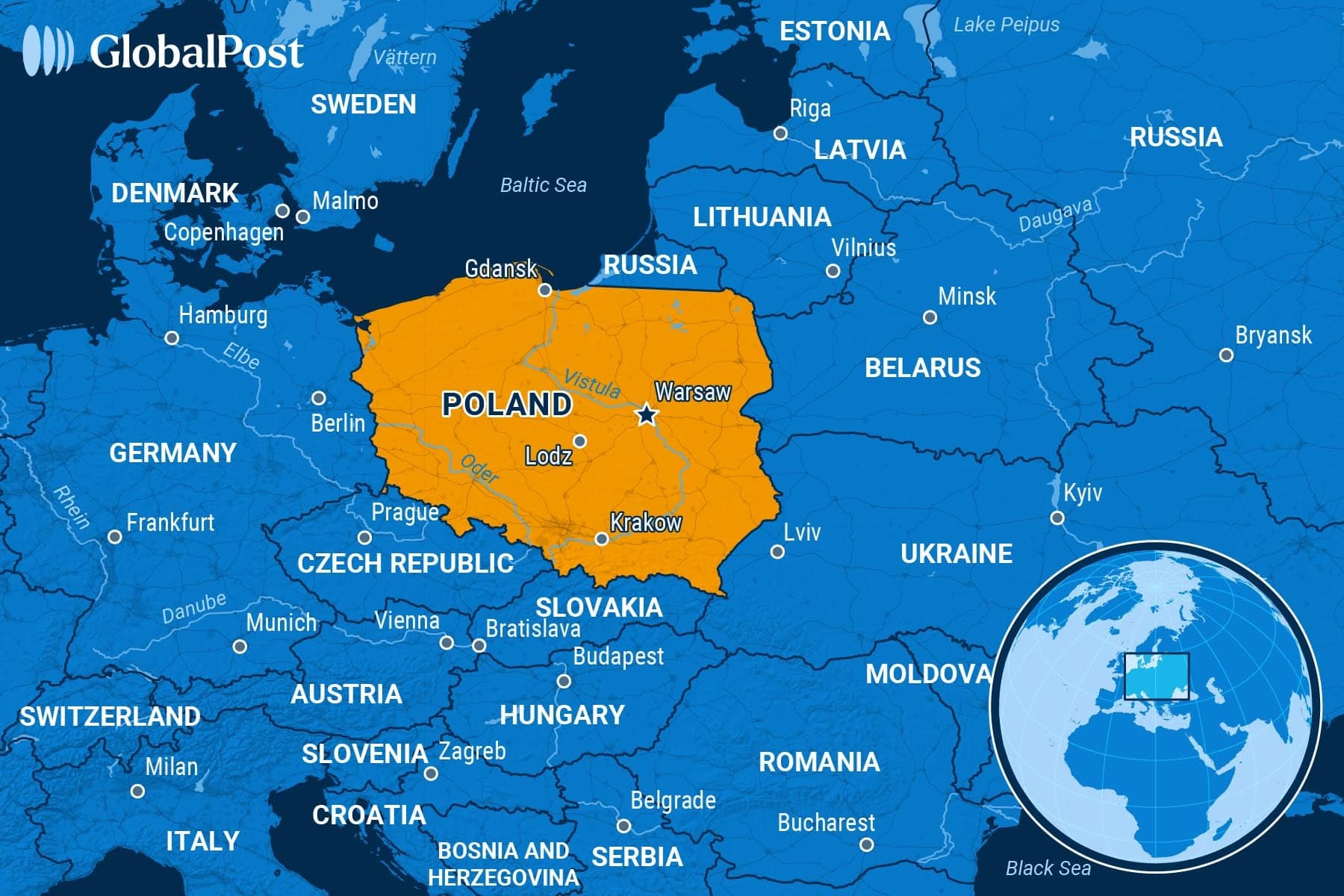
Trump threatens tariffs to pressure allies over U.S. bid for Greenland
President Trump said he may impose tariffs on countries that don't support U.S. efforts to obtain Greenland, citing national security concerns.
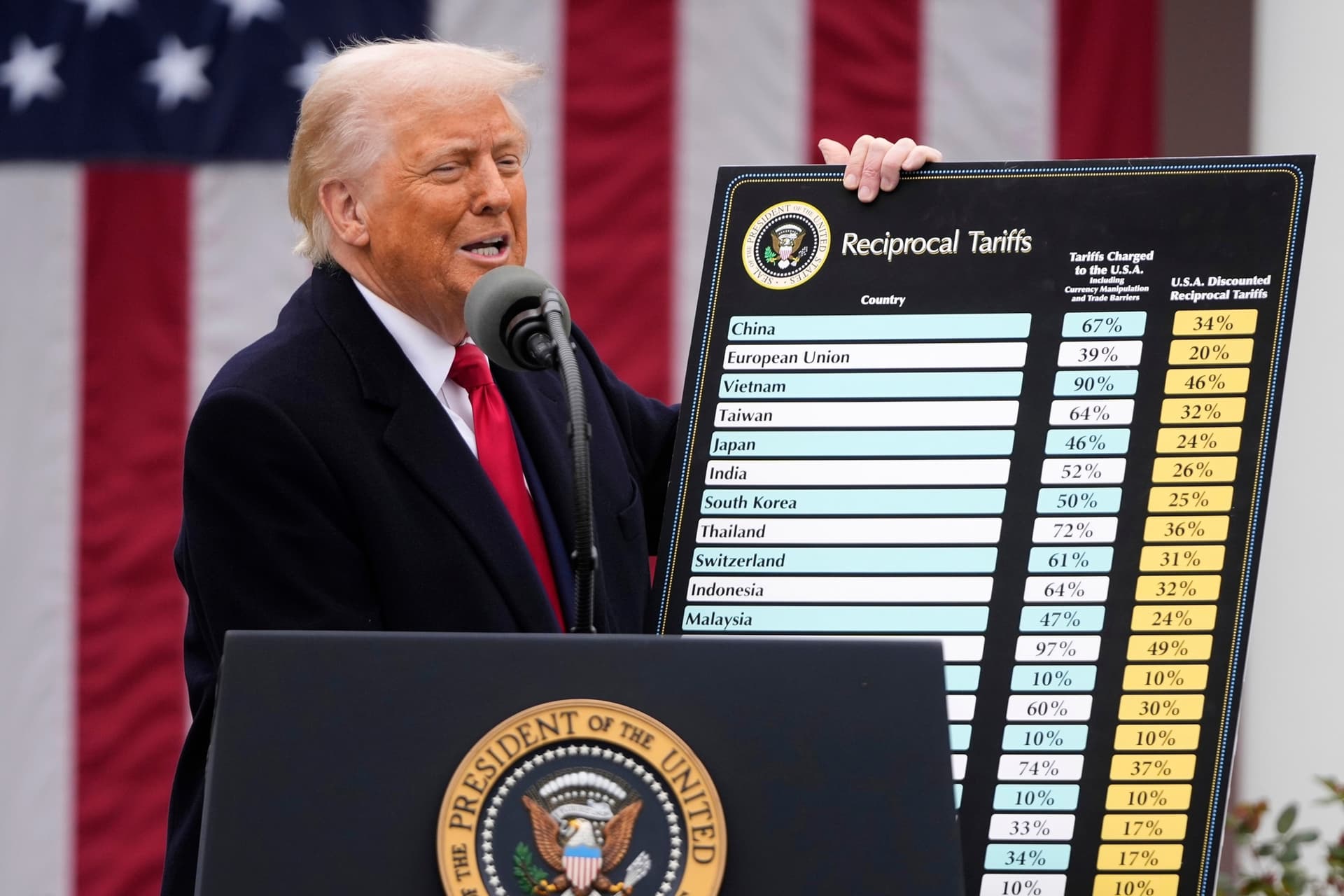
President Trump said he might impose tariffs on countries that do not back U.S. efforts to obtain Greenland, framing the move as a national security necessity and renewing tensions with NATO allies and Denmark.
Speaking at a White House event on rural health care, Trump told reporters, “I may put a tariff on countries if they don’t go along with Greenland, because we need Greenland for national security.” The administration has repeatedly argued that Greenland’s strategic location, mineral resources and the widening presence of rival powers in the Arctic make the island vital to U.S. defense planning. Officials have pointed to the administration’s proposed “Golden Dome” defense system as part of that rationale.
The tariff threat comes amid a chorus of diplomatic and military pushback. Danish and Greenlandic authorities have publicly rejected U.S. efforts to acquire the semiautonomous territory, and European governments have registered objections. French President Emmanuel Macron said French troops were on the ground in Greenland participating in military exercises alongside Danish forces and troops from other NATO countries, including Germany, Norway and Sweden.
In Washington, the foreign ministers of Denmark and Greenland met with Vice President J.D. Vance and Secretary of State Marco Rubio. The discussions did not close the fundamental gap, but participants agreed to establish a working group to pursue dialogue, even as Denmark and the White House presented sharply diverging views on the group’s purpose and scope.
On the hill, a bipartisan congressional delegation flew to Copenhagen in a bid to lower the temperature and reassure NATO partners. The 11-member group included Senators Lisa Murkowski, Thom Tillis, Jeanne Shaheen, Chris Coons, Peter Welch and Dick Durbin, along with Representatives Sarah Jacobs and Steny Hoyer. Members of the delegation sought to reinforce traditional channels of diplomacy and to emphasize that many lawmakers oppose any effort to use force to seize territory.

Legislative responses also surfaced at home. Lawmakers from both parties introduced bills intended to prohibit the use of force to acquire Greenland, while at least one Republican congressman proposed rival legislation endorsing the administration’s plan. The competing measures underscore deep divisions in Congress over the boundaries of executive power in foreign affairs.
Jeff Landry, the U.S. envoy to Greenland, urged direct talks with Greenlandic leaders and suggested a deal could be reached, saying, “I do believe that there’s a deal that should and will be made once this plays out,” and that “The president is serious. I think he’s laid the markers down. He’s told Denmark what he’s looking for, and now it’s a matter of having Secretary [of State Marco] Rubio and Vice‑President J.D. Vance make a deal.”
Beyond geopolitics, the dispute raises immediate public health and social equity concerns for Greenland’s predominantly Inuit population. Experts warn that economic coercion and heightened military activity could disrupt supply chains for medical supplies, complicate delivery of health services in remote communities and accelerate interest in extractive projects that may harm local environments and long-term health. Using tariffs to compel allied governments over a territorial issue would be an unprecedented diplomatic lever and could complicate trade relations with the United Kingdom, the European Union and other partners.
As diplomatic channels multiply and a working group is formed, the central question remains whether sustained engagement can defuse a confrontation that touches on defense strategy, Indigenous self-determination and the practical health and welfare of communities in the Arctic.
Know something we missed? Have a correction or additional information?
Submit a Tip