Five Weathering Techniques to Add Realism to Model Trains
A detailed tutorial outlines five accessible weathering techniques that model railroaders can use to bring locomotives, rolling stock, and structures to life. The methods explain when to use airbrushing, artists oils, weathering powders, drybrushing, and small tools, and emphasize studying prototype photos to choose appropriate levels of wear.
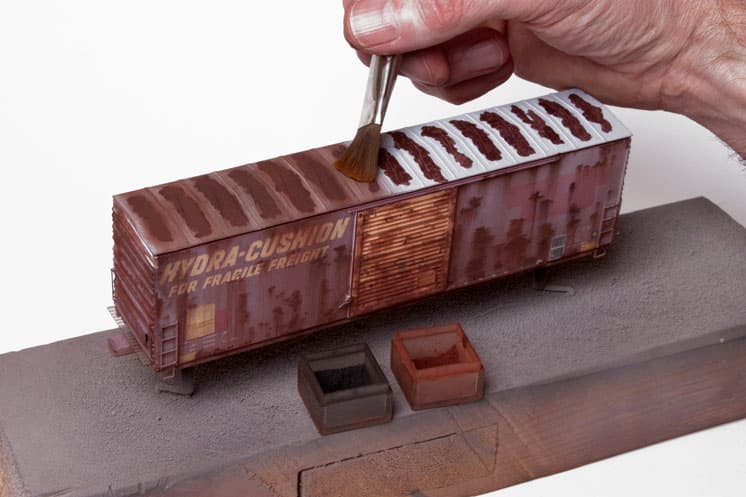
A new how to tutorial lays out five practical weathering methods that will help modelers move beyond clean out of the box finishes to convincing, in scale age and use. The piece presents clear uses for each approach, making it easier to choose techniques that match the era and service class of a layout subject.
Airbrushing is presented as the go to for broad, even grime and faded paint effects. It excels at creating uniform soot on roofs and tanks, and at toning entire car sides to a weathered base without obscuring fine detail. Artists oils are recommended for washes and rust streaks because they can be blended for gradual transitions and removed if an effect is too strong. That flexibility makes oils especially useful when dialing in subtle streaking along seams and drip paths.
Powdered pastels and weathering powders are described as the easiest entry point for surface dirt and soot. Powders apply quickly with a brush or applicator and can be fixed with a light adhesive or left soft for later adjustment. Drybrushing is the simplest technique, ideal for highlighting raised detail and simulating worn paint on edges and handrails where wear would naturally occur.
Cosmetic applicators and small tools are included for targeted effects such as chipping, streaks, and localized grime. Using fine pointed tools and cotton swabs lets modelers add precise chips to a corner or build up rust around fittings without affecting adjacent areas.

Practical value comes from matching technique to subject. Study prototype photos to determine how much weathering is appropriate and which effects appear on similar real world equipment. Begin small, practice on scrap stock, and layer techniques rather than attempting a single dramatic treatment. For step by step demonstrations, look for how to features and videos that walk through materials and sequences so you can reproduce the same effects at home.
These accessible methods make realistic weathering available to new modelers while giving experienced builders reliable options for fine tuning aging and grime across an entire roster.
Sources:
Know something we missed? Have a correction or additional information?
Submit a Tip