Flu surge strains hospitals as pediatric cases and deaths rise
Flu cases are rising across much of the U.S.; officials urge vaccination and quick antiviral treatment to protect children and high-risk groups.
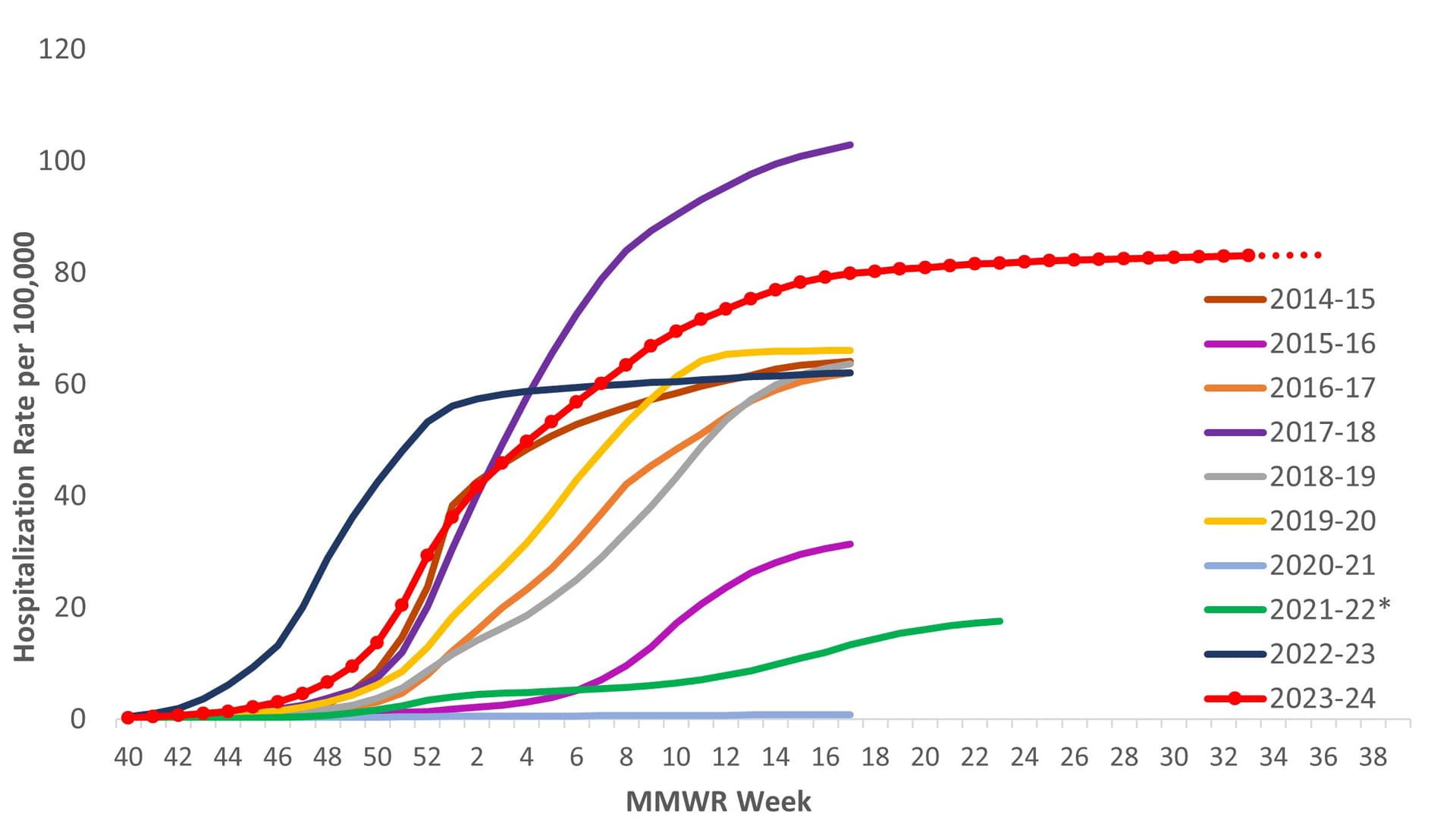
Influenza activity is climbing across most of the United States, sending outpatient visits and hospitalizations to levels rarely seen in recent decades and prompting urgent public-health appeals for vaccination and rapid antiviral treatment. Federal and state surveillance show respiratory illness visits and flu test positivity rising, with a newly emerged H3N2 subclade K contributing to sharper increases in some regions.
CDC tracking shows roughly 8.2 percent of outpatient visits were for flu-like symptoms in the last week of the year, up from 6.7 percent at the comparable point in the prior season. The agency reports that outpatient visits for respiratory illnesses have reached their highest level since at least the 1997–98 season. Nearly all states are reporting high or very high flu activity in the most recent federal data; Montana and Vermont reported low activity, South Dakota and West Virginia reported moderate activity, and Nevada did not report data for that week. California health officials described activity as elevated and have identified the H3N2 subclade K in hospitals and clinics there.
Hospital systems are feeling the pressure. The season’s cumulative influenza hospitalization rate is the third-highest by this point since 2010–11, federal reporting shows. New York recorded its highest single-week tally of flu cases in more than two decades. Clinicians also report concurrent surges in respiratory syncytial virus in many areas; COVID-19 activity remains comparatively low but has shown a modest uptick in recent reporting.

Pediatric illness has been a particular concern. Local health authorities in Massachusetts reported multiple pediatric hospitalizations and at least two deaths of children under age 2 in Boston, prompting urgent pleas to vaccinate. Nationwide surveillance data show hundreds of pediatric influenza deaths in recent seasons; a large majority of those children were not fully vaccinated, underscoring gaps in uptake that experts say raise vulnerability. Flu vaccination coverage among children has declined from about 53 percent in the 2019–20 season to about 42 percent at the same point this season.
Public-health officials and hospital leaders stress the measures that can blunt severe outcomes: vaccination and early antiviral therapy for those who become infected. Dr. Erica Pan, state public health officer, said seasonal flu vaccines “remain effective at reducing severe illness and hospitalization, including the currently circulating viruses.” Dr. Michelle Barron, senior medical director of infection prevention and control for UCHealth, said flu shots “lessen your odds of having a severe case, keep you out of the hospital and shorten the duration of the illness.” Clinicians are urging high-risk patients — the very young, older adults and people with chronic conditions — to seek immediate antiviral treatment such as oseltamivir if they develop flu symptoms.

The federal government’s recent change to the childhood immunization schedule, moving influenza and some other vaccines into a shared clinical decision-making category for children, has intensified debate. Critics warned that altering broad recommendations during a severe season risks reducing vaccination in vulnerable communities. One critic called the move “pretty tone deaf.” HHS Secretary Robert F. Kennedy Jr. has said it might be a “better thing” if fewer children receive the influenza vaccine, comments that have drawn sharp rebukes from clinicians and advocacy groups.
Health officials emphasize it is not too late to act. With cases still rising, they urge families and clinicians to prioritize vaccination now and to use antivirals promptly for those infected to reduce severe illness and ease pressure on hospitals.
Sources:
Know something we missed? Have a correction or additional information?
Submit a Tip