Flywing's X-Wing Fighter brings FPV cockpit combat to hobbyists
Flywing unveiled the X‑Wing Fighter at CES, a VTOL RC built for immersive FPV and multiplayer scoring. It could push clubs toward combat-style and formation events.

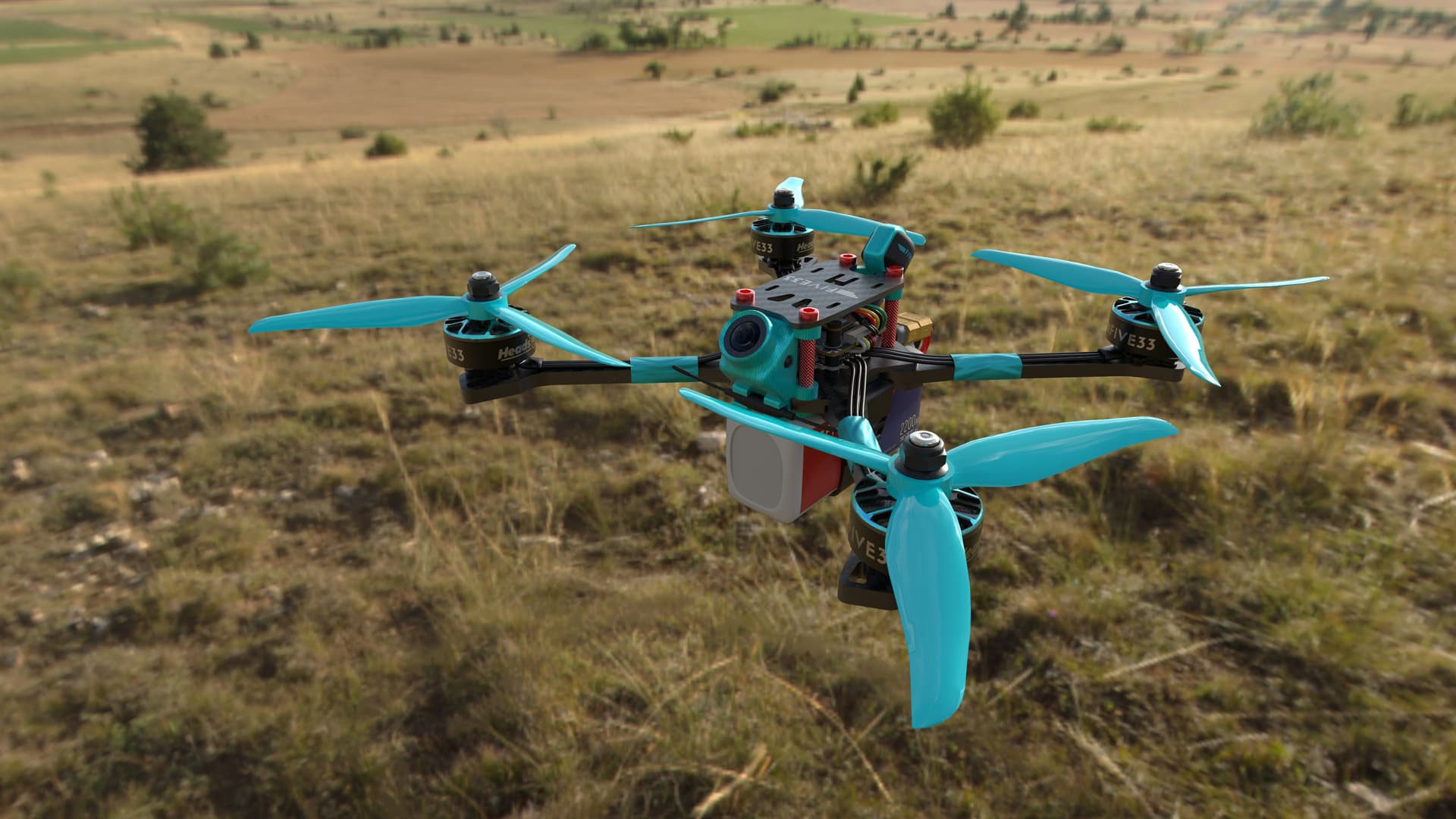
Flywing Aero Technology used CES to show a striking new direction for radio-controlled aircraft: a VTOL craft designed not for cinematic aerial footage but to place pilots inside a virtual cockpit and into multiplayer encounters. The X‑Wing Fighter streams a forward camera into FPV goggles with head-tracking and carries an integrated short-range radar system to enable cooperative and competitive flights. “The X‑Wing Fighter … is a VTOL radio‑controlled aircraft built to place users inside a virtual cockpit while flying.”
The design emphasis on immersion changes how pilots interact with their machines. Instead of chasing cinematic shots, operators will be piloting a single-seat virtual cockpit with HUD-style overlays, on-screen scoring and the possibility of hit points and team formation mechanics. Flywing described the prototype as hobby-grade rather than a toy, and the company plans a Kickstarter to bring the platform to market. Those features point toward organized group play, from casual squad runs to structured combat-style events.
Technically, the package mixes familiar RC building blocks with game-like systems. VTOL capability keeps launches and landings compact for field use, the forward camera plus head-tracking supports natural sightlines during maneuvers, and the short-range radar is the enabler for cooperative flight modes and mutual detection. On-screen scoring and hit-point mechanics would let organizers run matches without third-party scoring hardware, turning local meets into arcade-style dogfights or precision-formation contests.

For pilots and clubs this matters in concrete ways. Event formats, safety briefings and rulesets will need updating to cover contact, simulated hits and shared-state features. Verify local regulations and airspace rules before flying networked matches, and coordinate radio and video frequencies to avoid interference when multiple teams fly. Organizers should plan dry runs to test latency, HUD clarity and how fail-safe behavior resolves simulated hits or radar blind spots.
The takeaway? This is more headset than cinema, and it will likely attract a cross-section of FPV racers, casual gamers and formation fliers. Our two cents? Try to see a demo before committing to a crowd-funded pledge, practice team comms and fallback procedures, and start talking with your club about how scoring and safety will fit into your next meet.
Sources:
Know something we missed? Have a correction or additional information?
Submit a Tip