Former mine executive admits $40 million theft, $20 million from Signal Peak
A former Signal Peak executive said he stole about $40 million, including $20 million from the company. The testimony raises oversight and restitution concerns for local residents.
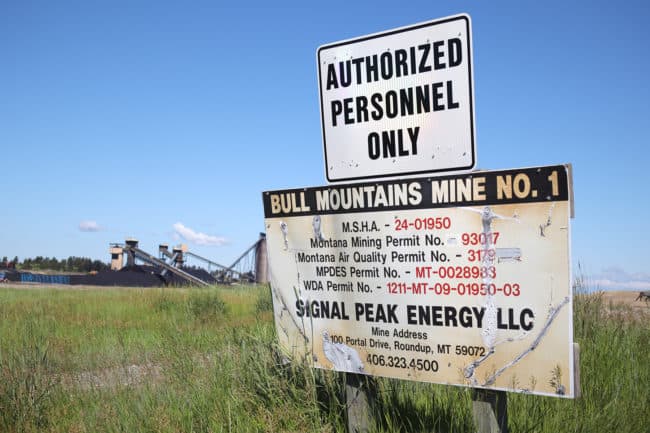
Federal court testimony on January 12 revealed that Larry Price Jr., a former Signal Peak mine executive, told prosecutors he stole roughly $40 million through fraud schemes and unrepaid loans, with about $20 million taken from Signal Peak. Price's testimony came during the trial of Stephen Phillip Casher, an ex-bank official accused of approving loans without disclosing conflicts, and adds detail to a wider legal effort to unpack how the funds were diverted.
Prosecutors outlined a pattern of false billing and misappropriation: submitting fabricated invoices, billing for unworked overtime, and using loans that were never repaid. Those practices, Price said, accounted for the majority of the $40 million he admitted taking. Price has pleaded guilty in a related case and will be sentenced at a later date; the Casher trial remained active as the testimony unfolded.
The sums involved are substantial for businesses and communities that rely on stable mining operations. For Lewis and Clark County residents, the case matters because it highlights vulnerabilities in corporate controls that can ripple through local suppliers, contractors, and employees who depend on reliable company finances and reputations. When a mid-sized mining employer loses tens of millions to internal fraud, the fallout can include delayed payments to vendors, strained payrolls, and a tougher borrowing environment for similar firms in the region.
Beyond immediate community effects, the testimony underscores broader market and policy implications. Lenders will face pressure to strengthen conflict-of-interest disclosure and tighten underwriting of related-party loans. Mining companies operating in Montana and the surrounding region may also see higher compliance and governance expectations from insurers, bond investors, and regulators. That can raise costs in the near term but reduce the risk of future losses if boards and auditors act on those lessons.

Legally, the case signals that criminal prosecutions remain a tool for addressing corporate theft, and federal authorities commonly seek restitution and asset forfeiture as part of sentencing. How much of the $20 million allegedly taken from Signal Peak is ultimately repaid will depend on ongoing asset recovery and potential civil claims, which will be of direct interest to creditors and any local entities with financial exposure.
The takeaway? Keep an eye on the sentencing and trial outcomes, and demand clearer financial reporting from firms tied to our economy. For residents and local officials, insist on transparency at public meetings, check whether county contracts or pensions have exposure, and press employers and banks for stronger controls so the community doesn't bear the cost of corporate misconduct. Our two cents? Vigilance and accountability now can help protect local livelihoods later.
Sources:
Know something we missed? Have a correction or additional information?
Submit a Tip