Four Broadcasters Threaten Eurovision Boycott Over Israel Participation
Broadcasters from four countries announced on December 5 that they would withdraw from next year's Eurovision Song Contest if Israel is allowed to compete, setting off a diplomatic confrontation for the European Broadcasting Union. The dispute matters because it tests the integrity of a long standing cultural forum, places public broadcasters at the center of political pressure, and threatens the commercial and social value of one of television's largest live events.
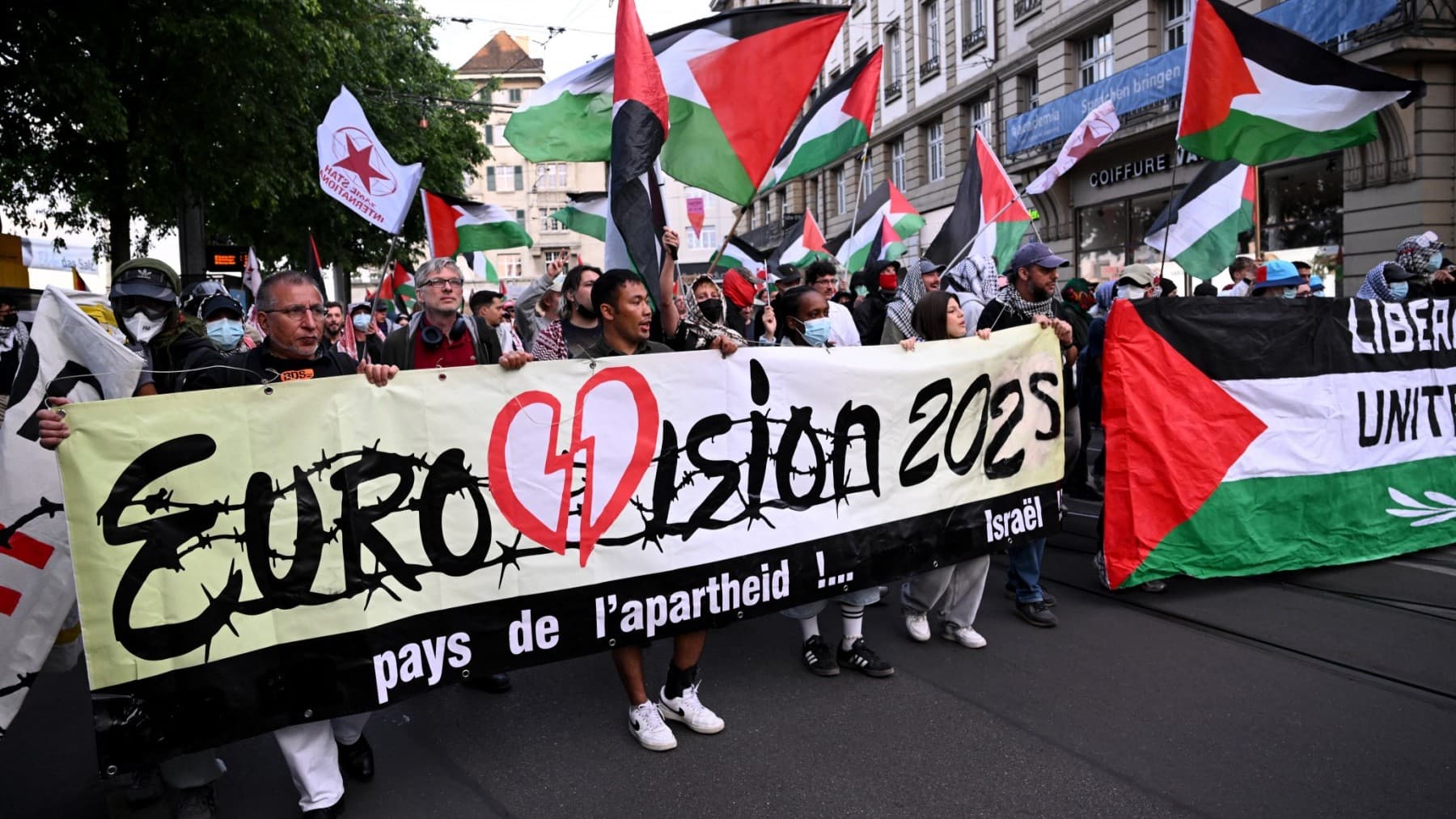
Broadcasters from four countries announced on December 5 that they would not take part in next year’s Eurovision Song Contest if Israel were permitted to compete, crystallizing a sharp cultural and diplomatic rift that the European Broadcasting Union now must manage. The decisions were framed by deep divisions linked to the war in Gaza, and several national delegations and public broadcasters publicly threatened withdrawal unless the EBU excluded Israel, a step the union resisted amid competing political pressures.
Eurovision has long been billed as a mass cultural celebration of music and cross border exchange, but the contest’s apparent immunity to geopolitics has eroded in recent years. The current standoff demonstrates how international conflicts can spill into entertainment platforms with broad audiences, and how public broadcasters are increasingly called upon to reflect national sentiment in real time. For the EBU the problem is immediate and concrete. Organizers must reconcile contractual obligations to participating members, complex broadcasting rights, and the contest rules with the reputational and operational risks of a partial boycott.
The business implications are significant. Eurovision is a tentpole for public broadcasters and private partners alike, driving advertising inventory, international distribution deals, and tourism for host cities. Withdrawals by member broadcasters would reduce the pool of participating countries, potentially diminishing viewer interest and undermining sponsorship commitments. The uncertainty also complicates planning for rights holders, advertisers, and host city authorities who depend on months of lead time to organize staging, security, and hospitality operations.
Culturally, the clash raises fundamental questions about the role of pan European events in an era of intense polarization. Eurovision has historically been a site for soft power and symbolic gestures, but this crisis forces a reckoning over whether artistic platforms can remain detached from state conduct and public ethics. Artists and delegations risk being caught between national policy and the desire for unfettered artistic exchange, while audiences confront the prospect of losing a shared cultural fixture to geopolitical contestation.
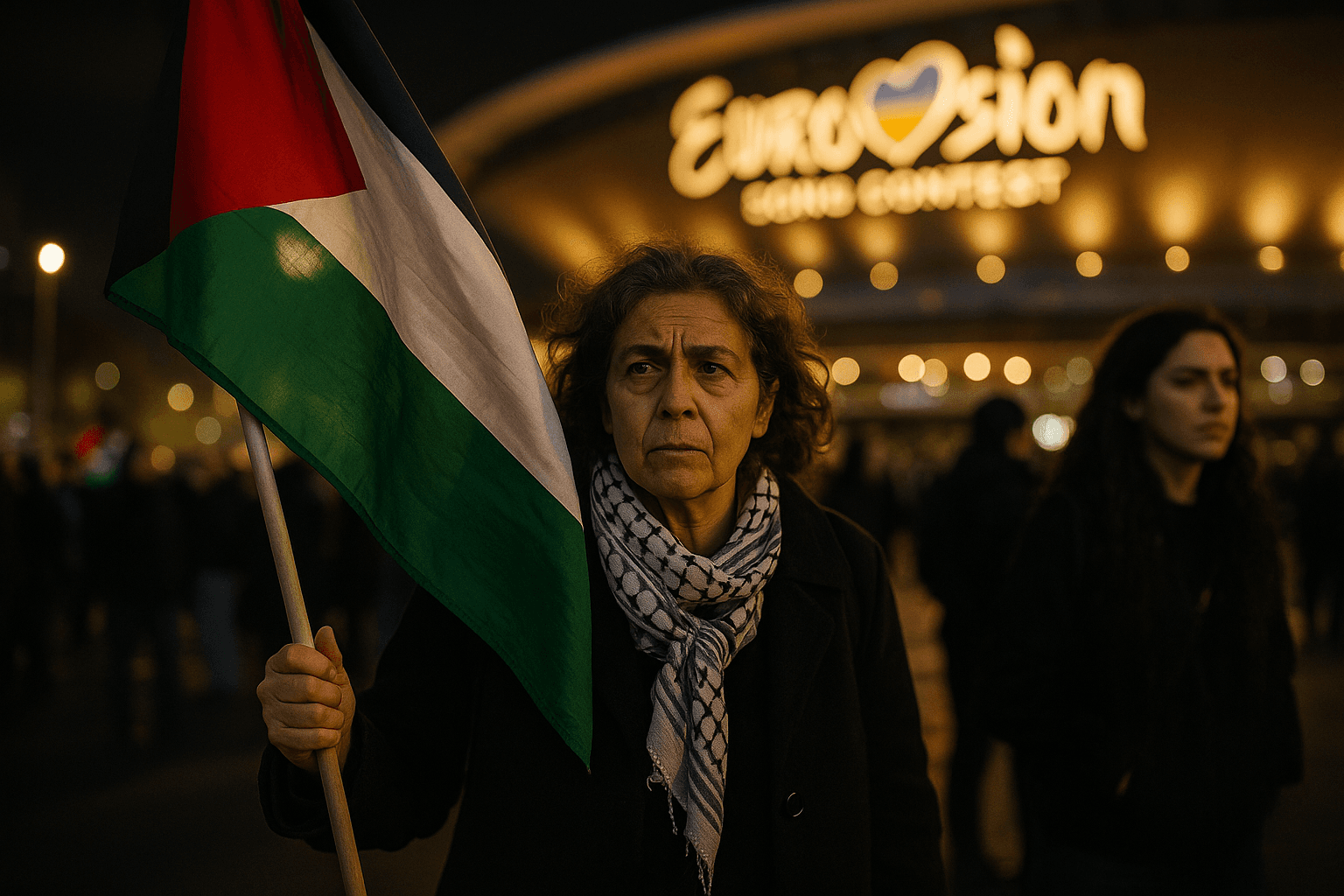
The standoff also exposes pressures on public service media. National broadcasters operate under mandates to serve domestic audiences, yet they are also members of international unions that depend on cooperation and reciprocity. Decisions to boycott will be judged both at home and abroad, and could prompt legal or regulatory challenges depending on how membership agreements are interpreted.
How the EBU responds will set a precedent for other international cultural and sporting events facing similar dilemmas. A path that attempts to preserve inclusion while addressing political sensitivities will be difficult to design and hard to sell to all parties. Conversely, exclusion on political grounds would mark a turning point in the governance of cultural exchange across Europe and beyond. As deadlines for entries and logistical planning approach, the EBU’s next moves will determine whether Eurovision can survive as a shared space for music, or whether it will become another casualty of a fractured international landscape.