Fredericksburg meeting to discuss southern Wayne County road safety
A public meeting will be held Jan. 27 to gather resident input on road safety and emergency response for Fredericksburg and nearby townships. Local voices could shape future options.

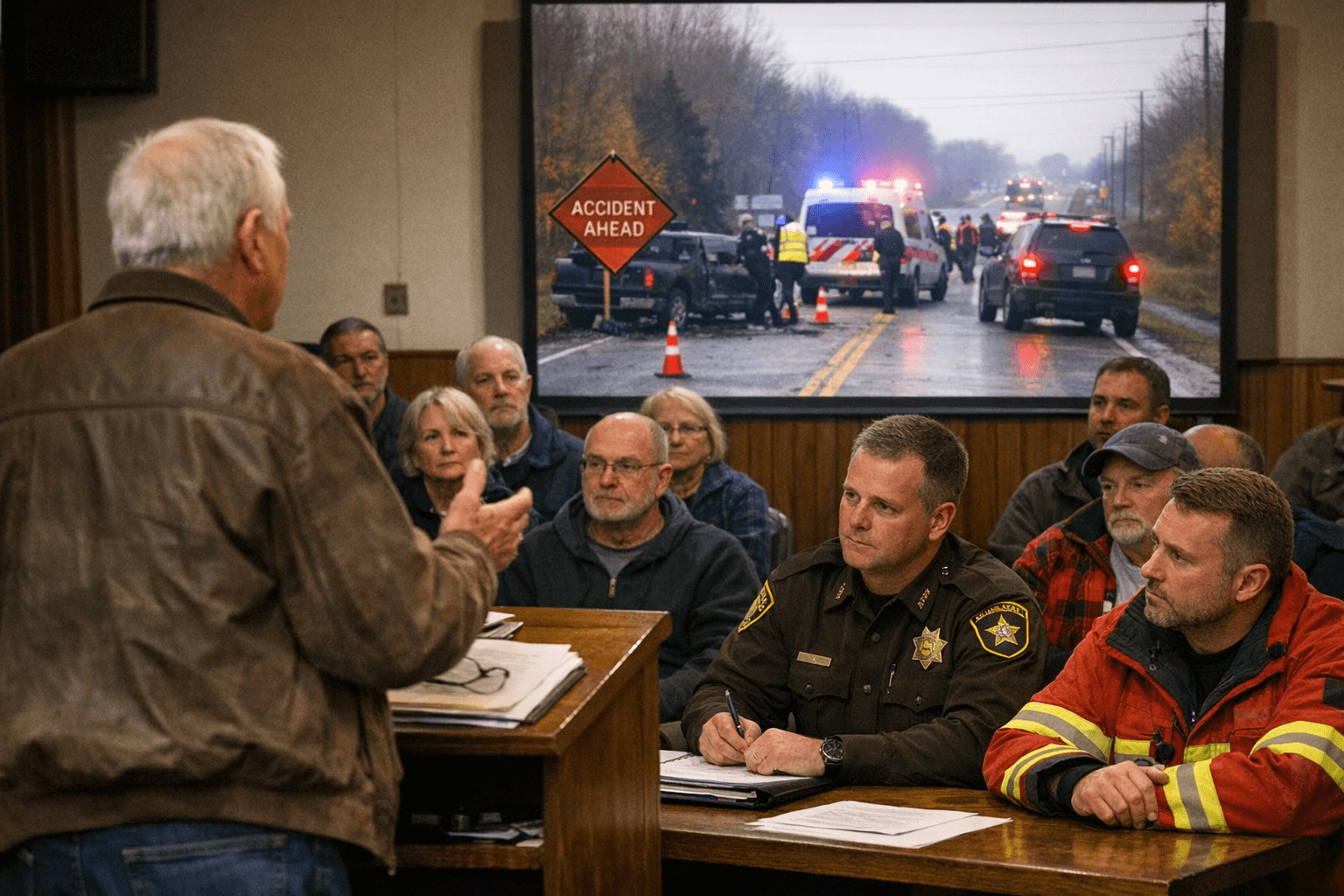
Southern Wayne County Citizens for Safety will host a public meeting at 7 p.m. Tuesday, Jan. 27, at Fredericksburg Presbyterian Church, 201 N. Mill St., Fredericksburg, to gather resident input on road safety, emergency response and related concerns for Fredericksburg, Salt Creek Township and Franklin Township. Wayne County Sheriff Thomas Ballinger is expected to attend. Organizers emphasize the session is an information-gathering conversation, not a vote or binding proposal.
Organizers say the forum is meant to let residents share experiences and weigh possible steps, including exploring the option of a designated township deputy if the community desires. The meeting purpose reflects longstanding tensions in a mixed-use transportation environment: the area combines passenger vehicles, farm equipment, pedestrians, bicyclists and horse-drawn buggies that come with Ohio’s Amish Country, creating unique safety and emergency-response challenges on rural roads.
The gathering is positioned as a starting point for locally driven discussion rather than as a policy announcement. That framing matters for how next steps would be handled: any formal proposal for new staffing, intergovernmental agreements or funding would have to move through township officials and the Wayne County Sheriff’s Office and, where required, the legal and fiscal processes that govern townships. Those processes can include board-level approvals and public votes, depending on the action pursued.
For residents, the meeting offers a direct channel to influence how public safety is prioritized and delivered in daily life. Conversations could address response times, road signage, traffic enforcement patterns and coordination between volunteer emergency responders, townships and the sheriff’s office. In a county where farm operations and tourism intersect with commuter traffic, small changes in policing strategy or emergency protocols can affect everything from school bus routes to harvest-season traffic flow.
The institutional stakes extend beyond immediate fixes. Civic engagement at this stage determines whether solutions emerge as short-term adjustments or longer-term policy changes. If the community expresses sustained interest in a designated township deputy, trustees and county officials will face choices about scope of authority, patrol boundaries, and funding mechanisms—questions that generally require broader public discussion and clear lines of accountability.
Our two cents? Show up with specifics: locations, times and incidents that illustrate the problems you see. That firsthand detail helps leaders match options to reality and keeps decisions rooted in the community’s needs. If you can’t attend, reach out to Southern Wayne County Citizens for Safety or the Wayne County Sheriff’s Office to make your concerns known ahead of the Jan. 27 meeting.
Sources:
Know something we missed? Have a correction or additional information?
Submit a Tip