Holmes County volunteers gear up for annual MCC mobile meat canner
The Mennonite Central Committee mobile meat canner will return to Berlin in late January, relying on local volunteers to process donated meat for international relief. This work supports global aid and anchors a key winter volunteer tradition in Holmes County.
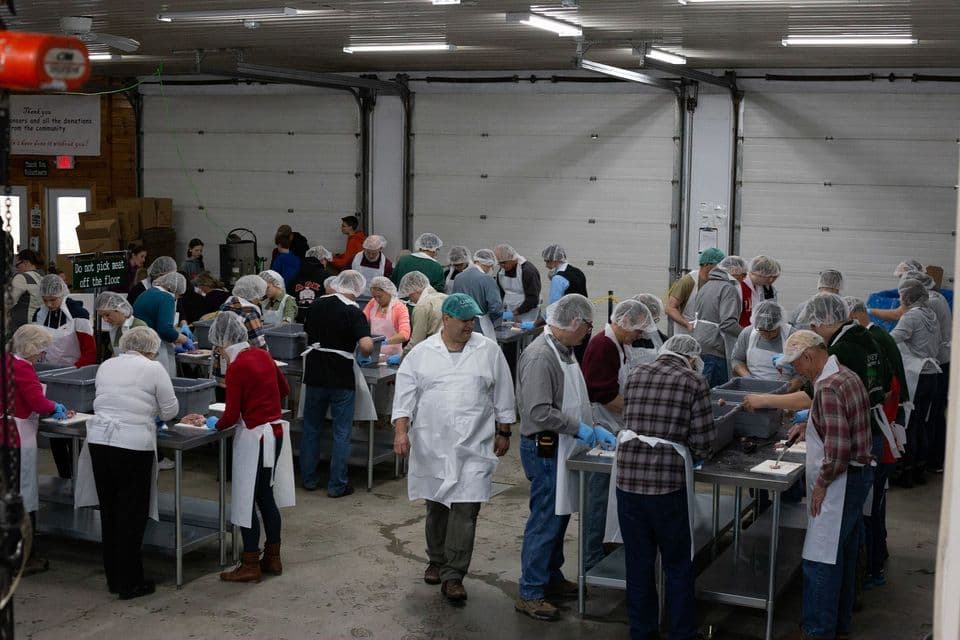
Holmes County’s winter volunteer calendar centers each year on the Mennonite Central Committee mobile meat canner, which will operate in Berlin in late January to process and pack donated meats destined for international relief. The event is volunteer driven and draws residents from across the county to staff canning, labeling, boxing and cleanup shifts that run from early morning into the evening.
Organizers schedule multiple shifts each day to keep the production line moving, and they often ask for extra help on daytime shifts when throughput and logistics peak. Volunteers should check with local MCC coordinators in Berlin for shift sign-ups and specific hours. Participants are asked to wear appropriate clothing for a food-processing environment and will receive brief training on food safety and hygiene before beginning work.
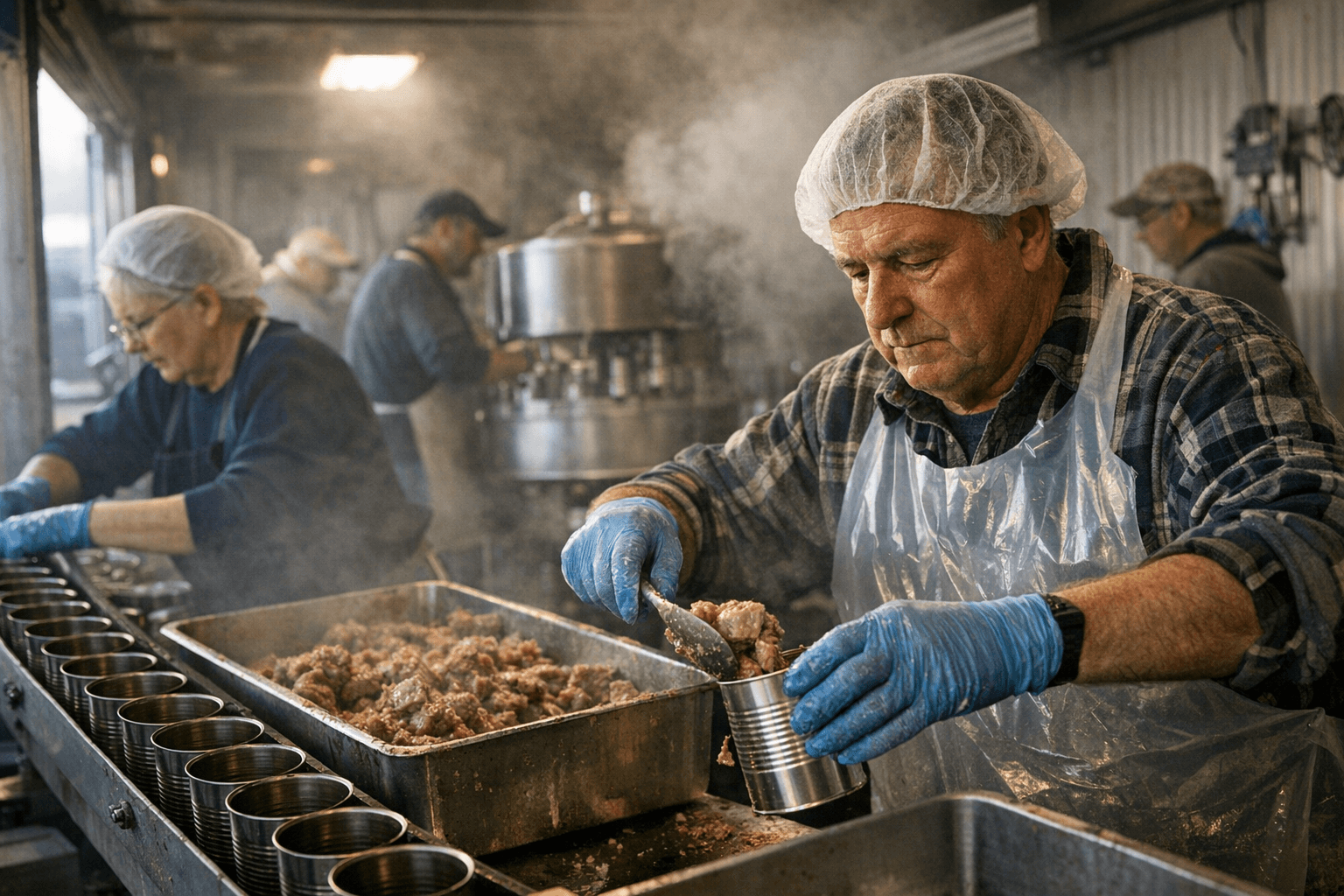
The mobile canner is more than a one-day charity push; it is an annual operational pulse that turns donated livestock into shelf-stable goods that can be shipped overseas. Locally, the effort substitutes paid labor with volunteer time and in-kind donations, stretching relief dollars further and increasing the volume of aid a given donation can support. For Holmes County, which has a strong communal tradition of mutual aid, that multiplier effect reinforces both local social capital and global humanitarian impact.
There are practical implications for neighbors who want to help. Volunteers should expect a fast-paced, physically active environment that involves repeated lifting, standing for long periods, and working on strict sanitation protocols. Daytime shifts tend to be the most in demand for moving packed boxes onto pallets and coordinating transport logistics. Whether you can spare a two-hour block or a full shift, organizers count every hand.
Economically, the canning days provide a modest seasonal boost to Berlin’s service economy as volunteers stop for meals and supplies, and they help maintain long-term relationships between local donors and international partners. From a policy perspective, community-run operations like this reduce strain on government aid budgets by leveraging volunteer capacity and privately donated goods to meet humanitarian needs.
The takeaway? If you want to pitch in, reach out to MCC coordinators in Berlin soon to claim a shift, dress for a food-processing environment, and bring a willingness to work steady, hands-on tasks. Our two cents? Show up ready to roll up your sleeves—Holmes County’s canner depends on people more than machines, and every hour helps turn local effort into global relief.
Sources:
Know something we missed? Have a correction or additional information?
Submit a Tip