Freezing Rain Advisory Affected Buncombe Mountains, Travel and Power Risks
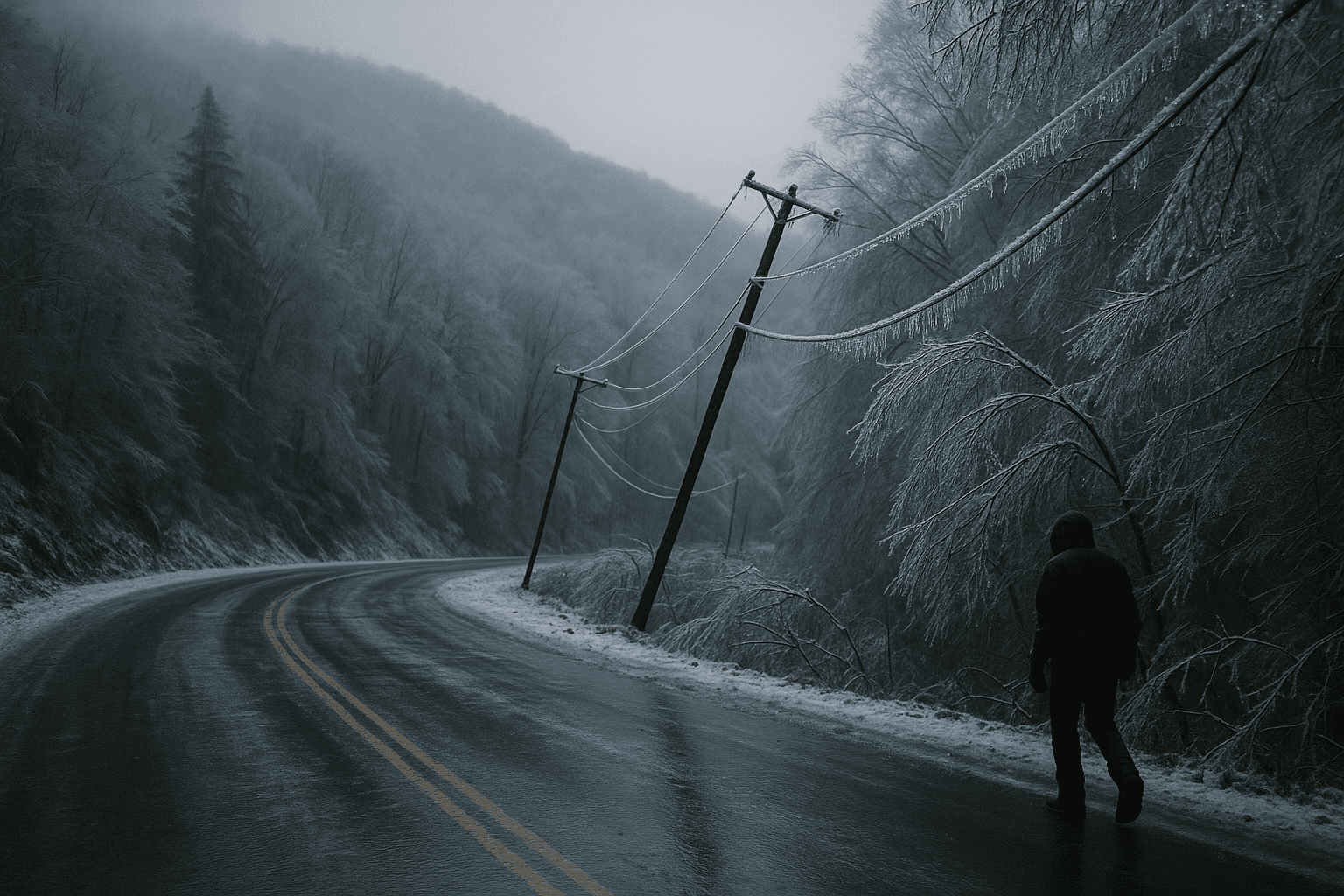
On December 1 the National Weather Service in Greenville Spartanburg issued a Winter Weather Advisory for parts of the northern Blue Ridge and mountain counties, warning of freezing rain and ice accumulations around one to two tenths of an inch that could make travel hazardous and cause localized power outages. The advisory, in effect into December 2, highlighted slick roads bridges and sidewalks and underscored the demands these events place on county agencies and utility providers.

The Winter Weather Advisory issued December 1 called attention to a narrow but impactful bout of freezing rain over the northern Blue Ridge and adjacent mountain counties. The advisory forecast ice accumulations around one to two tenths of an inch and warned that even that modest coating could create hazardous travel conditions and localized outages. The product described timing and expected impacts, and it urged motorists and the public to exercise caution while moving through mountain corridors.
For Buncombe County residents the immediate concern was road safety on higher elevation routes where bridges and shaded sections of pavement freeze first. Ice accumulations in the range noted are sufficient to make sidewalks and secondary roads treacherous, and to add weight to tree limbs and utility lines in vulnerable locations. Local public works departments and utility companies often face operational challenges when responding to ice events in mountain terrain, where access and treatment of roadway surfaces are complicated by steep grades and limited treatment materials.
The advisory underscores institutional responsibilities across emergency management, transportation, and utility providers. Clear communications from county emergency operations and timely situational reporting from utilities help households assess risk, prepare for potential outages, and make travel decisions. Winter weather events also carry civic implications beyond immediate safety. Disruptions to transportation and power can affect access to polling places and other public services, particularly for older residents and those living in remote precincts, which reinforces the need for contingency planning by election officials and public agencies.
Residents are reminded to monitor official channels for updates during winter events and to prepare for short term disruptions to mobility and services. The December 1 advisory served as a reminder that mountain weather can change rapidly, and that coordination among local agencies, utilities, and the public is essential to reduce risk and maintain service continuity during winter conditions.