Frisco Records Office Referral Raises Questions About Clinic Transparency
A whistleblower post on Jan. 8 said the City of Frisco referred a Public Information Request about its Employee Health Clinic to the Texas Attorney General, and that the clinic’s contractor, Premise Health, filed a brief supporting withholding operational data. The dispute over disclosure matters to Collin County residents because it concerns promised cost savings, use of public resources and local officials’ transparency and campaign finance compliance.
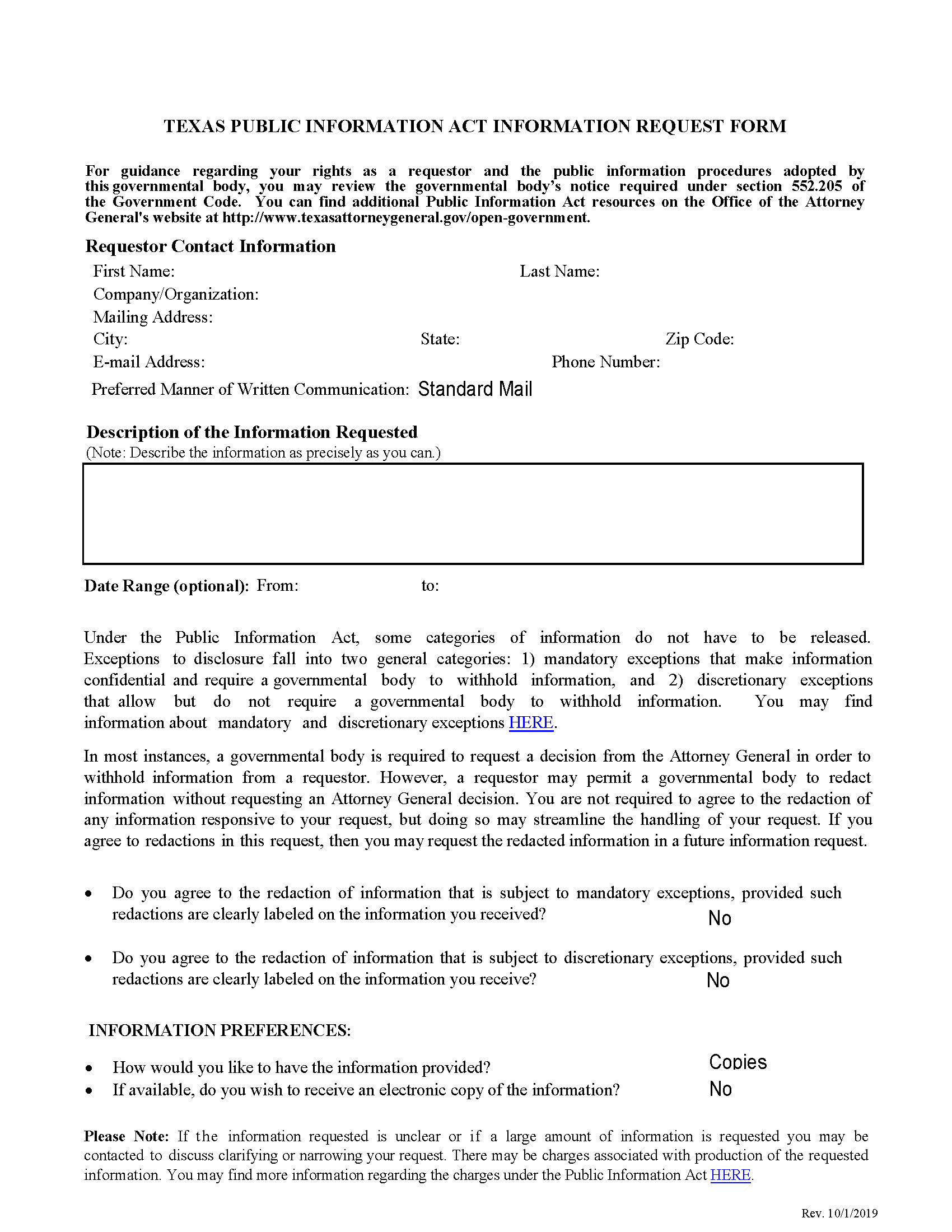
A whistleblower post published Jan. 8 scrutinized the City of Frisco’s Records and Information Management Division and raised fresh concerns about access to records tied to the city’s Employee Health Clinic. The post said the city referred a Public Information Request seeking operational data to the Texas Attorney General for a disclosure ruling, and that Premise Health, the clinic’s contractor, submitted a brief supporting withholding portions of the requested information.
The Records and Information Management Division, part of the City Secretary’s Office, is responsible for records retention, handling public information requests under the Texas Public Information Act, managing election records and supporting boards and commissions. The referral to the state attorney general initiates a formal process that can delay release while the office decides whether exemptions apply. The whistleblower post argued that the referral and the contractor’s brief function as a de facto delay in public disclosure and questioned why operational metrics that would show whether the clinic delivered promised savings have not been released.

For local residents, the stakes are practical and civic. Frisco’s Employee Health Clinic has been presented as a cost-saving measure for the city and its employees; operational data such as utilization rates, cost-per-visit, and net savings are central to assessing whether the initiative met fiscal expectations. Withholding those metrics complicates citizen oversight of municipal spending and limits public understanding of how taxpayer-supported services perform.
The post also raised broader concerns about campaign finance compliance for local officials and urged stronger transparency practices across municipal operations. These points link administrative recordkeeping to electoral accountability, a connection that matters in a fast-growing North Texas region where municipal decisions can carry significant budgetary and community impacts.
City officials have placed the request before the Texas Attorney General as part of the statutory disclosure review process, and the involvement of a private contractor in supporting nondisclosure raises questions about how contracts and confidentiality claims are being applied to records about public programs. The situation highlights the tension between legitimate privacy or proprietary claims and the public’s right to evaluate government programs.
Residents seeking clarity are being urged to follow the Public Information Act process and to press for timely disclosure through the city and the Texas Attorney General’s office. Transparent release of operational data would allow taxpayers to judge the clinic’s effectiveness and help restore confidence in local oversight and campaign finance practices.
Sources:
Know something we missed? Have a correction or additional information?
Submit a Tip