Garner Reopens 2004 Joshua Davis Case: What Residents Should Know
Garner police have reclassified the 2004 death of 16-year-old Joshua Davis as a homicide and reopened investigative activity, asking the public to share any memories or information. This article explains what changed in the case, what investigators have done so far, how the community can help, and what residents should expect next.
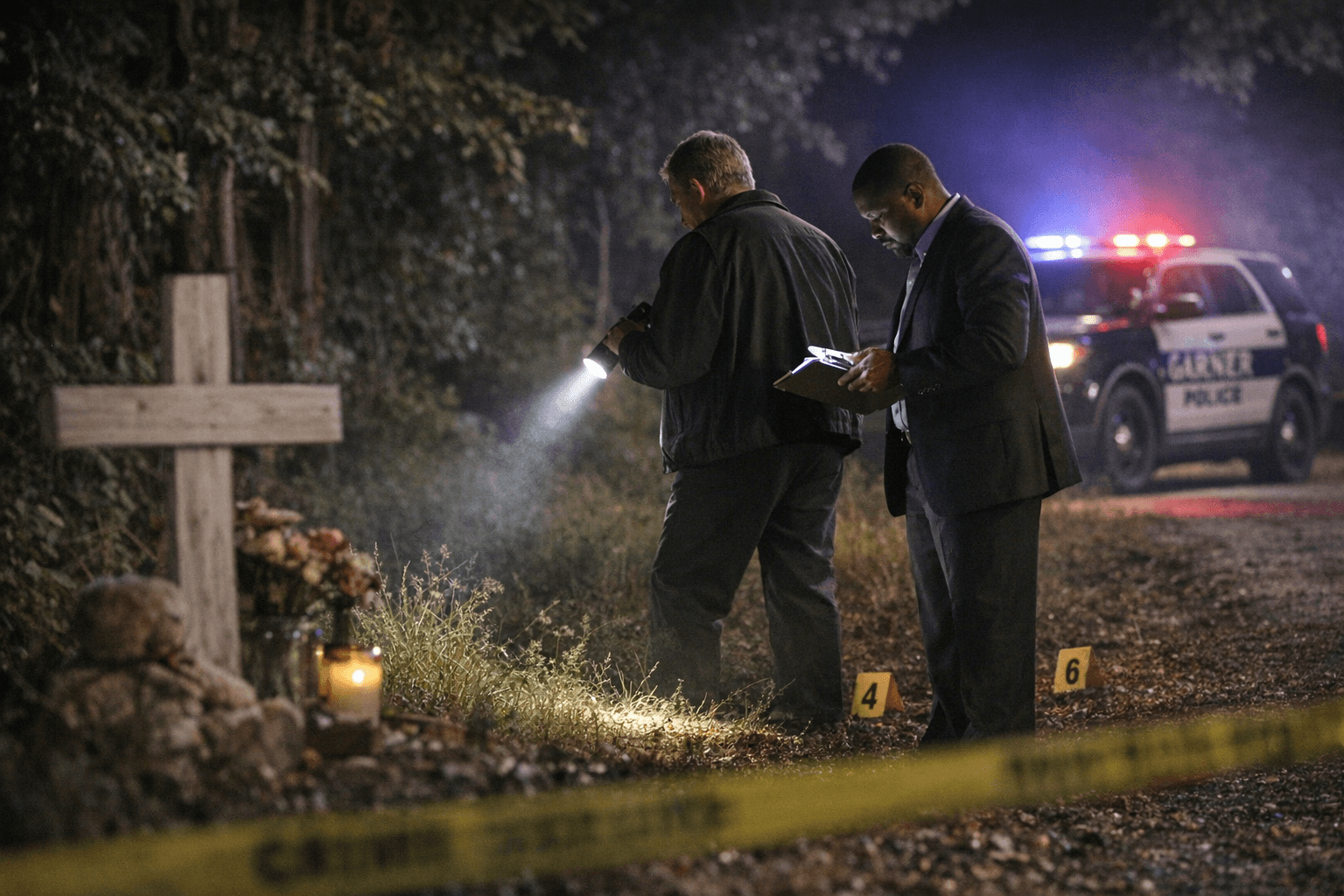
1. Homicide Reclassification and What It Means Garner police announced investigators are now treating Joshua Davis’s 2004 death as a homicide rather than limiting their review to a hit-and-run, a shift that broadens the investigative focus.
Reclassification can change investigative priorities, open additional lines of inquiry and potentially mobilize specialized resources or partnerships with county or state units. For residents, that means officials are actively treating the death as a criminal act that warrants renewed attention and follow-up.
2. Recent Case File Re-Review Detectives completed a fresh re-review of the original case file, revisiting evidence, reports and investigative notes from 2004.
A systematic reexamination can reveal overlooked details, reconcile inconsistencies, and identify gaps where modern investigative techniques may apply. The re-review is a key early step that informs decisions about forensic testing, witness follow-up and allocation of investigative resources.
3. Interviews with New Witnesses As part of the renewed inquiry, investigators have interviewed new witnesses who were not previously contacted or whose recollections were not included in the original investigation.
New witness statements can provide fresh leads, corroborate timelines, or surface contextual information about people, vehicles or movements around the time of the incident. Given the passage of time, investigators face challenges with memory and availability, but new accounts can nevertheless change the course of a cold case.
4. Public Flyer and Explicit Call for Information The department released a public flyer asking anyone with information to come forward, urging people to report details “no matter how small.
” That explicit appeal recognizes that seemingly trivial observations—vehicle descriptions, social connections, or recollected conversations—can be crucial in reconstructing events or identifying suspects. Residents should treat the flyer as an invitation to share any recollection, even if it seems insignificant.
5. Emphasis on Garner’s Small-Town Context in 2004 Investigators stressed that Garner was a small town in 2004, highlighting how tightly knit social networks could yield memories or relationships that matter now.
In smaller communities, acquaintances, family ties and local routines can produce witnesses who remember details others would overlook. This context underscores the value of community memory and why officials are urging residents who lived in the area then to reconsider what they know.
6. Renewed Leads and Investigative Momentum Law enforcement described the reopened inquiry as having “renewed case leads,” indicating actionable directions to pursue after the re-review and new interviews.
Renewed leads typically trigger targeted follow-ups—additional interviews, checks of historical records, vehicle registrations, or reexamination of physical evidence with modern methods. For the community, renewed momentum can mean more visible investigative activity and periodic public updates as steps progress.
7. The Family’s Longstanding Desire for Answers The Davis family has sought answers since 2004; investigators’ renewed activity directly responds to that longstanding quest for closure and accountability.
Families of victims often remain engaged for decades, pressing for reexaminations as technologies and investigative capacity advance. Community recognition of the family’s experience and patience is important, and renewed investigations can provide a vital opportunity for closure if they produce new information.
- Review personal records, diaries, photos or messages from 2004 that might reference Joshua Davis, locations, vehicles or social contacts.
- Talk to neighbors, relatives or former classmates who lived in Garner in 2004 to trigger memory recall.
- Contact Garner police with any information prompted by the flyer, and note the department’s request to report details “no matter how small.”
- Avoid public speculation that could compromise witness cooperation or legal processes; direct factual leads to investigators instead.
8. How Residents Can Help Right Now
Residents can assist the investigation in concrete, safe ways by sharing information directly with investigators and preserving any potential evidence:
These steps increase the chance that small details will converge into actionable evidence.
9. Institutional Accountability and Transparency Considerations A reopened cold case raises questions about how agencies preserve files, update investigations and communicate with the public and families over time.
Residents should expect Garner police to balance investigative confidentiality with periodic, factual updates that maintain public trust. The situation also highlights broader policy issues for county and municipal governments: resourcing cold-case reviews, adopting new forensic technologies, and ensuring mechanisms exist for families to request case reexaminations.
10. What Residents Should Expect Next Following the announcement, residents can expect investigators to continue follow-up interviews, pursue forensic or records checks where applicable, and evaluate leads for prosecutorial viability.
Cold-case work can be slow and incremental; it may produce a breakthrough quickly or require sustained effort. The most immediate public role is to share any relevant recollections with Garner police, and to watch for official updates from the department as investigative steps progress.
Sources:
Know something we missed? Have a correction or additional information?
Submit a Tip