State audit flags possible fraud in Cary town finances
State auditor says initial forensic review shows potential fraud by former Cary town manager; Wake County officials are reviewing records and may seek an SBI probe.
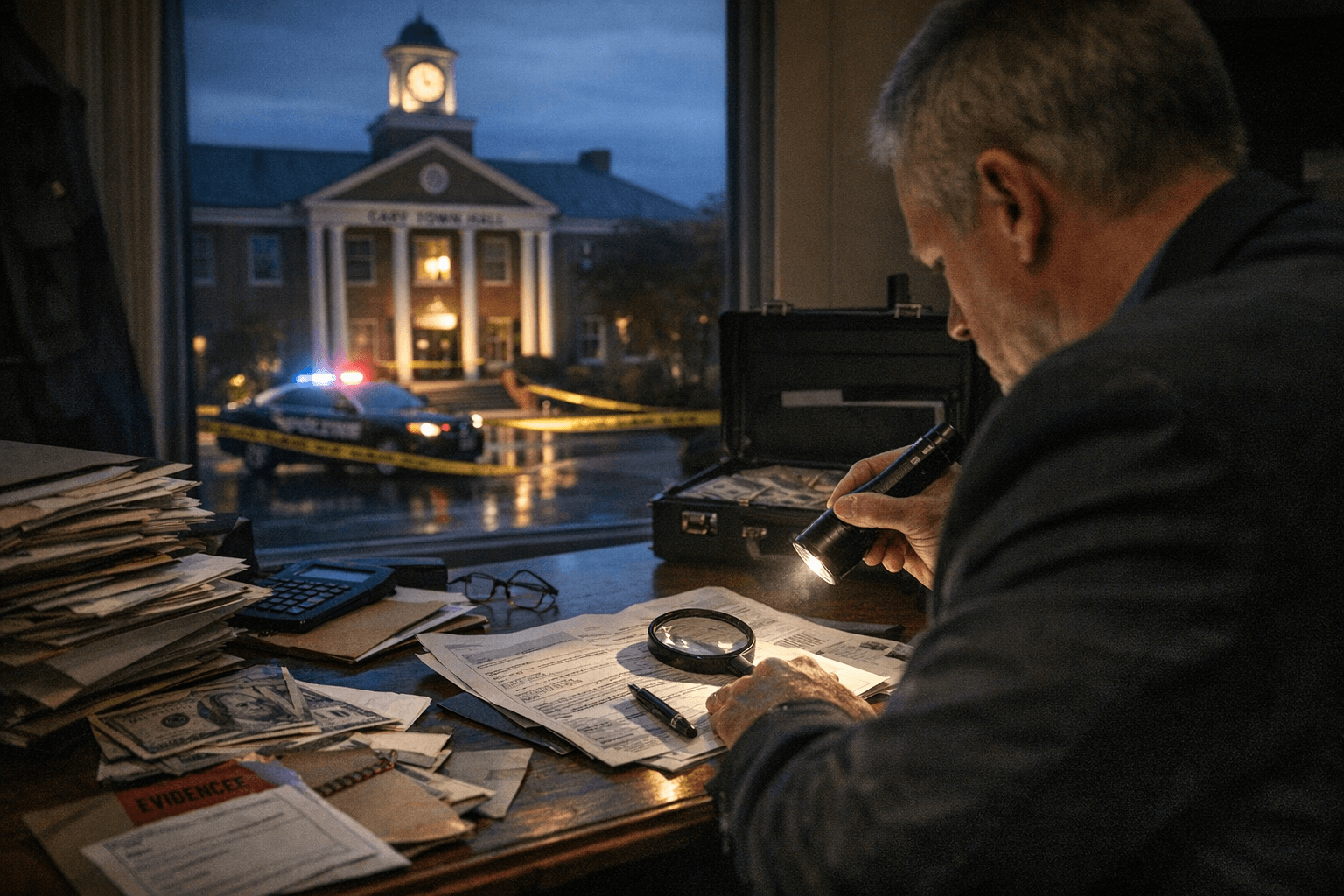
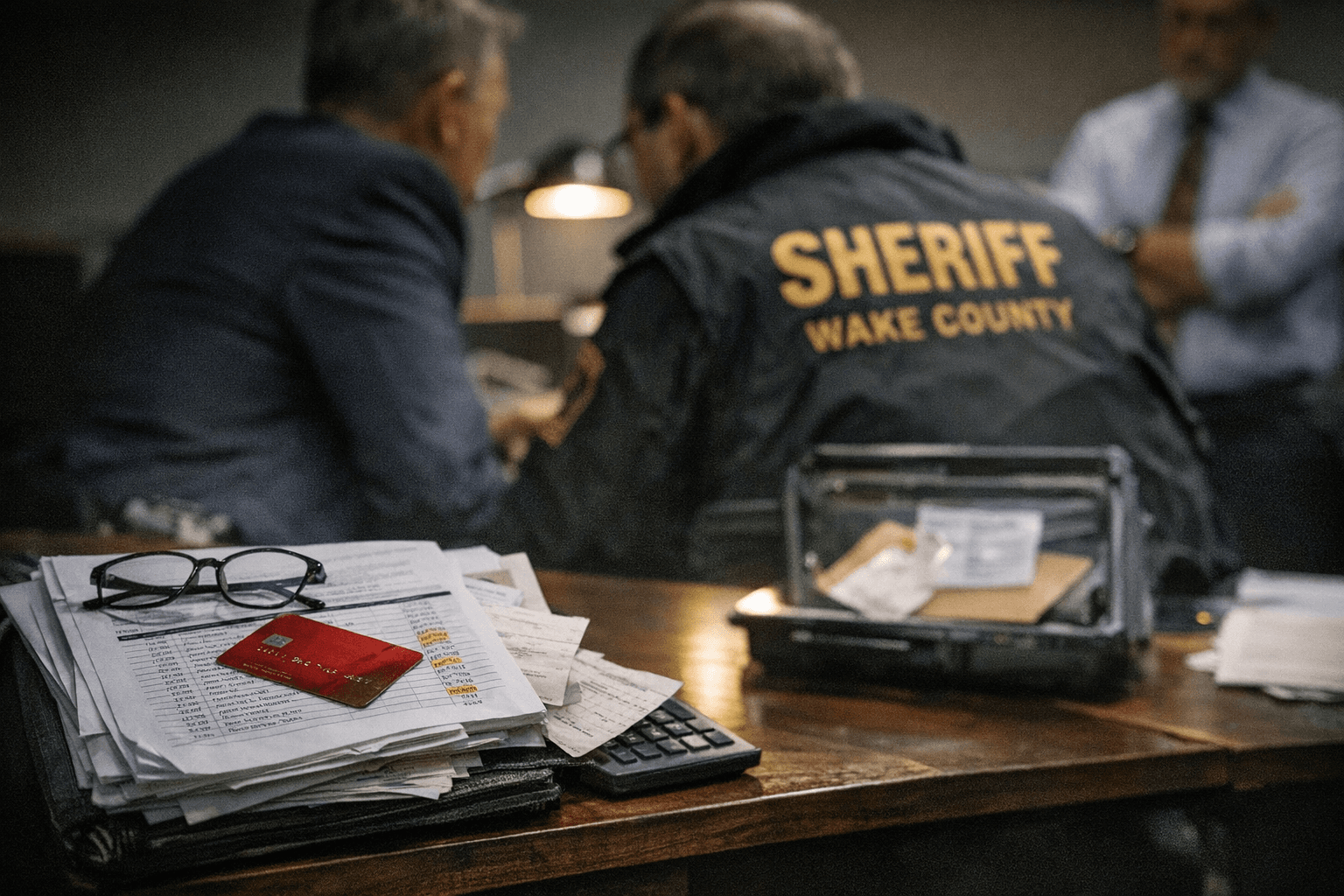
State Auditor Dave Boliek said his office’s initial forensic analysis of Town of Cary financial records identified procurement-card transactions that raised concerns about potential criminal activity by former Town Manager Sean Stegall. Investigators examined a set of P-card transactions they described as “potentially indicative” of fraud, and Boliek met with Wake County District Attorney Lorrin Freeman and the director of the State Bureau of Investigation to share those findings.
Local law-enforcement partners are reviewing the material, and the Wake County district attorney will decide whether to ask the SBI to open a criminal investigation. Cary town officials have affirmed the town will cooperate with investigators as the review continues. The actions shift an internal records question into a formal review by county and state law-enforcement authorities, elevating stakes for local governance and accountability.
The records under scrutiny follow earlier public reporting that drew attention to several high-cost items during Stegall’s tenure. Documented concerns included expensive hotel charges, a land purchase near Cary Elementary, and an unusually costly town-funded master’s degree for a council member. Stegall resigned in December 2025 and was due a severance payment, adding financial and governance questions as the town and investigators sort through transactions and personnel records.
For Wake County residents, the immediate implications are both practical and political. On the practical side, the audit review focuses on procurement-card controls, expense approval lines and municipal financial safeguards that affect how taxpayer dollars are spent. If investigators find criminal conduct, the town could face restitution claims, legal costs and the need for policy reforms. Politically, the development will pressure the Cary Town Council and administrative leadership to tighten oversight, make clearer public accounting of expenditures and communicate reforms to restore trust.
Institutionally, the case illustrates how state audit functions and local prosecutors coordinate on suspected malfeasance. The State Auditor’s Office initiated the forensic review and has moved material to local prosecutors and the SBI; the Wake County DA will determine the next investigatory step. That procedural sequence matters for residents tracking timetables, records access and potential courtroom outcomes.
The situation also underscores the importance of routine municipal transparency: clear procurement policies, timely public records, and independent review mechanisms can limit exposure and speed resolution when red flags appear. The coming weeks will reveal whether the evidence supports criminal charges, administrative sanctions or policy changes.
The takeaway? Stay tuned to council agendas, review town financial disclosures when they’re posted, and ask town leaders how they’ll strengthen P-card controls and public reporting. Our two cents? Civic pressure and watchdog scrutiny are the best tools to make sure Cary’s books and trust are back in order.
Sources:
Know something we missed? Have a correction or additional information?
Submit a Tip