Wake County Animal Center to close for repairs; $57M replacement proposed
The Wake County Animal Center will close Jan. 16 through March 2 for $72,000 repairs; staff say a new $57 million facility is needed to address capacity and operations.

The Wake County Animal Center on Beacon Lake Drive will temporarily close Friday, Jan. 16, through March 2 so county staff can complete $72,000 in repairs and maintenance. During the closure the center will not accept owner surrenders and animal-control crews will not pick up strays, leaving county officials to rely on private boarding, partner nonprofits and foster homes to care for animals during the outage.
County animal-services staff described the planned repairs as a short-term patch and have urged Wake County leaders to move forward with a proposed replacement shelter in southeast Raleigh. The proposed facility would roughly double the current center’s square footage, accommodate about 200 more animals and is estimated to cost about $57 million. Staff say the larger site would improve animal care and operations, but commissioners would first need to approve rezoning of about 24 acres at the proposed location before construction can proceed.
The temporary closure highlights an operational trade-off between urgent facility fixes and long-term capital investment. The $72,000 repair work addresses immediate safety and maintenance needs, but staff argue it will not solve capacity constraints or underlying design limitations that affect intake, medical isolation and daily care. The proposed $57 million project represents a major capital request that will require board approval, land-use votes and a multi-year construction timetable; if rezoning and funding are approved, county officials estimate the new shelter could be completed as early as 2029.
For residents, the immediate effects are practical and logistical. People who need to surrender animals must arrange alternative options; those reporting strays should expect longer response times or be directed to nonprofit partners. The reliance on private boarding and foster networks will place additional strain on local rescue organizations and volunteers already active in Wake County. Public-health and neighborhood concerns tied to stray animals may shift responsibility from county crews to community groups during the closure window.
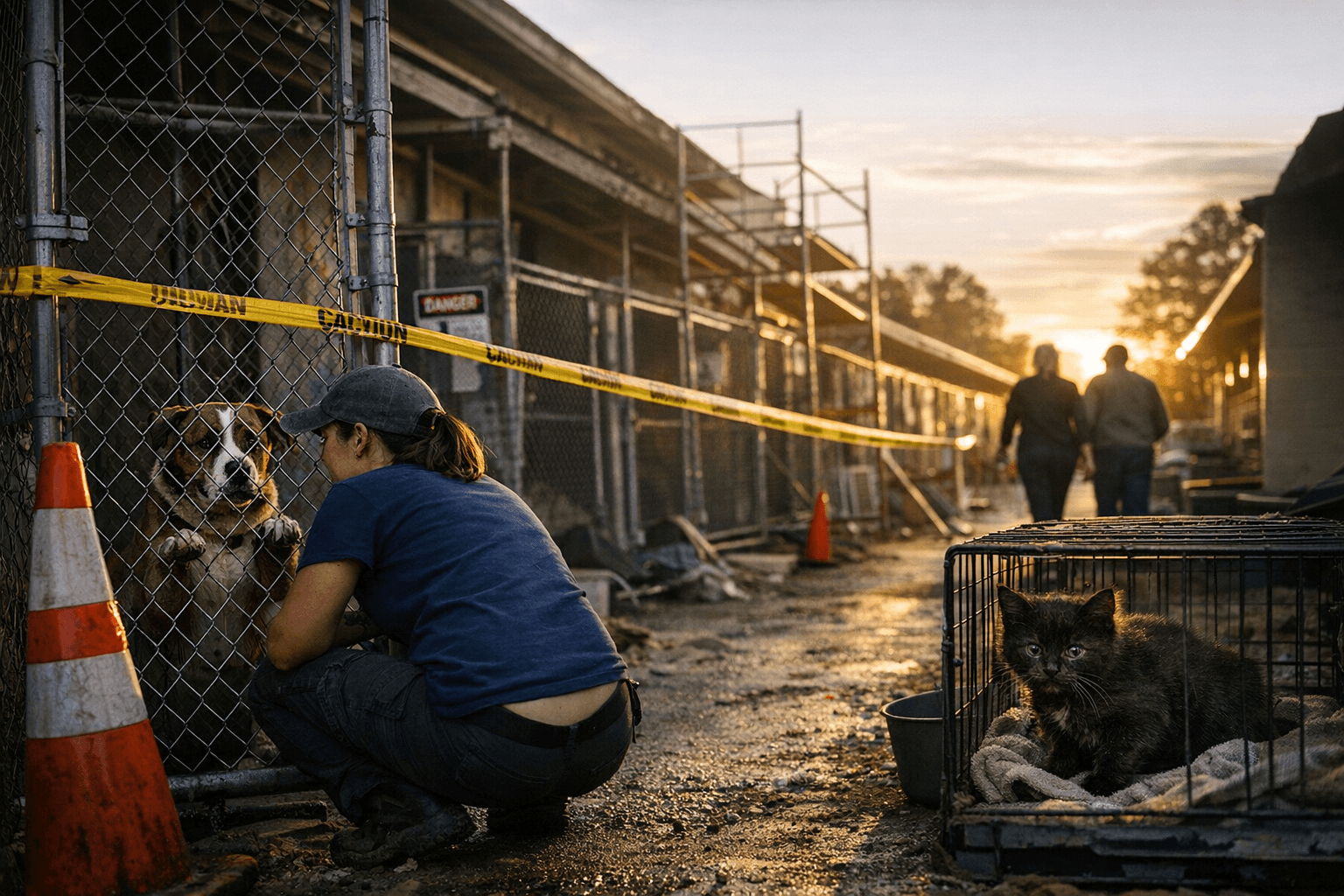
The commissioners’ forthcoming decisions on rezoning and funding will determine whether the patchwork approach of short-term repairs gives way to a comprehensive, modern facility designed for higher capacity and improved operations. Public hearings on rezoning typically include neighborhood input, environmental reviews and timeline debates that will shape the project scope and cost.
Our two cents? If you may need county services, plan ahead: contact private boarding, partner nonprofits or foster programs now, and follow the Wake County Board of Commissioners agenda. Civic engagement matters here — participate in rezoning hearings and communicate priorities so county leaders can weigh one-time repairs against a long-term solution that affects animal welfare and community safety.
Sources:
Know something we missed? Have a correction or additional information?
Submit a Tip