Global Trade Poised to Top 35 Trillion in 2025, UN Says
The U.N. Trade and Development Agency announced on December 9, 2025 that world trade is expected to expand about 7 percent in 2025 and to surpass a record 35 trillion dollars for the year. The projection matters because stronger trade flows can bolster global growth and corporate earnings, but the agency warned that policy choices and lingering demand weaknesses will determine whether the rebound lasts into 2026.
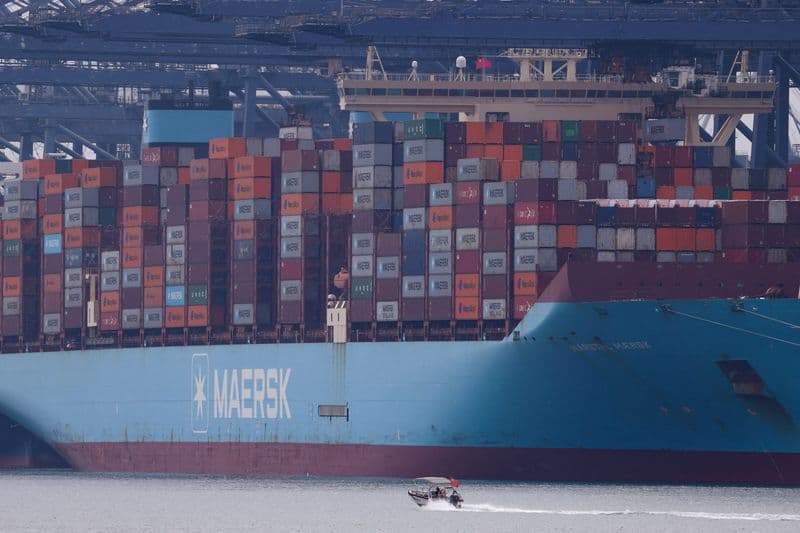
The U.N. Trade and Development Agency said on December 9, 2025 that global trade is set to grow roughly 7 percent this year and is on track to exceed a record 35 trillion dollars. The agency portrayed the expansion as broad based through the second half of 2025 despite a range of headwinds, and it highlighted services trade and resilience in several developing economy sectors as important offsets to softness in some goods markets.
UNCTAD framed the 7 percent gain as a notable recovery from the prior year. Back of the envelope arithmetic implies world trade last year was in the low 32 trillion dollar range, placing 2025 growth well above typical trend growth in recent pre pandemic years. For businesses and markets, that acceleration translates into stronger revenues for exporters, higher freight and logistics activity, and potentially firmer demand for intermediate goods if industrial demand strengthens.
The agency’s statement noted geopolitical tensions, higher costs, and uneven demand as persistent constraints. Trade policy shifts and slower industrial demand were singled out as key risks that could erode momentum. Those factors matter for national policymakers because measures such as tariffs, export controls, subsidies, and regulatory barriers can quickly change trade incentives and supply chain decisions, altering flows and investment plans across regions.
Services trade played a crucial role in the recovery, according to UNCTAD, cushioning weakness in particular goods sectors. Services have become a larger and more volatile component of cross border commerce over the past decade, driven by digitalization, travel and business services, and regional outsourcing. That shift has implications for labor markets and for where value is captured in global supply chains, with services often concentrated in higher income economies even when manufacturing is located elsewhere.

For developing economies, the agency pointed to pockets of resilience. Certain exporters have benefited from firm commodity prices, targeted industrial policies, and diversifying trade links. But the gains are uneven, and countries that rely heavily on vulnerable manufacturing or that face tighter financial conditions remain exposed.
Market participants will be watching the data flow in the coming weeks and months to see if the second half momentum persists into 2026. Stronger trade could support global growth and corporate profits, putting upward pressure on commodity prices and shipping costs, while weaker outcomes would weigh on earnings and investment. Central banks and finance ministries will need to weigh those dynamics as they calibrate monetary policy and fiscal support.
UNCTAD emphasized that policy choices will shape whether the 2025 momentum carries over. In practice that means governments can either reinforce the recovery through trade facilitation, infrastructure investment and predictable rules, or risk undermining gains with restrictive measures that raise costs and fragment markets. The coming policy decisions will determine whether the world moves from a recovery in trade to a durable expansion.