Greenbelt, Maryland Preserves New Deal Cooperatives and Civic Life
Greenbelt began as a 1937 New Deal planned community and today sustains a dense web of cooperative institutions that shape daily life, preserve affordability and anchor civic engagement. The city offers a model for Prince George's County policymakers balancing historic preservation, affordable housing and community driven services near Washington, D C.
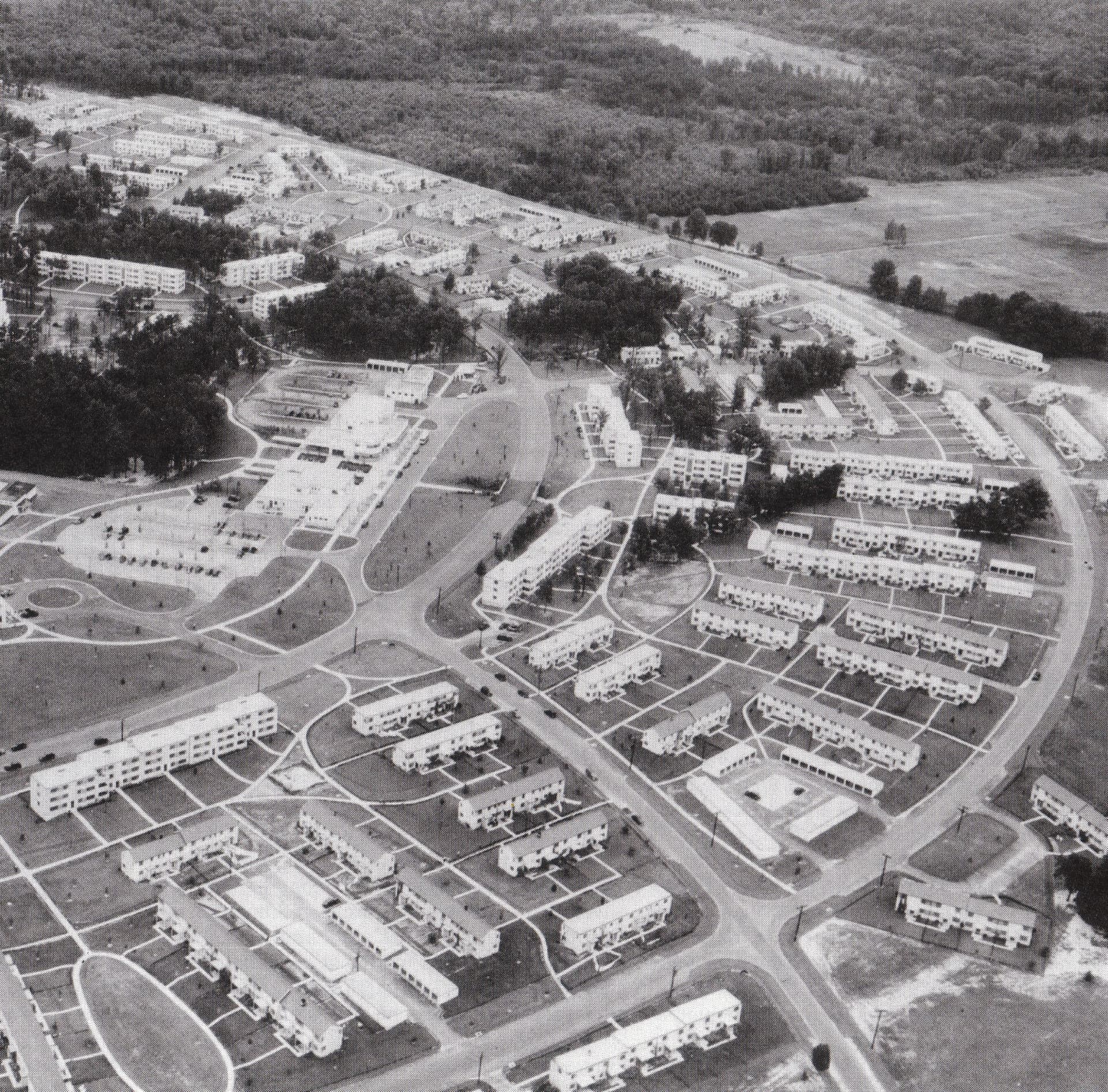
Greenbelt’s story starts with a deliberate federal experiment. Founded in 1937 as a New Deal planned community with support from Eleanor Roosevelt, the city was designed to integrate housing, green space and shared amenities. That original plan remains visible in a compact, walkable historic district and in a civic culture built around volunteerism and cooperative institutions.
Residents rely on place based organizations that provide both goods and social infrastructure. The New Deal Café, the Greenbelt Cooperative Supermarket and Pharmacy, Greenbelt MakerSpace, a community tool library and the Greenbelt Homes Inc housing cooperative form a network of services that reduce household costs, foster skill sharing and sustain local employment. That network attracts a wide range of residents, from NASA scientists to artists, and helps maintain affordability in many of the city’s historic cooperative houses.
Greenbelt’s festivals, parks and community clubs keep civic life active throughout the year, reinforcing traditions of shared responsibility and intentional community. The combination of walkable streets, preserved green areas and community managed enterprises shapes daily routines, strengthens neighborhood ties and encourages ongoing volunteerism. The city’s proximity to Washington, D C, roughly 10 miles away, makes it both a commuter community and a distinct civic enclave with its own governance and institutional practices.
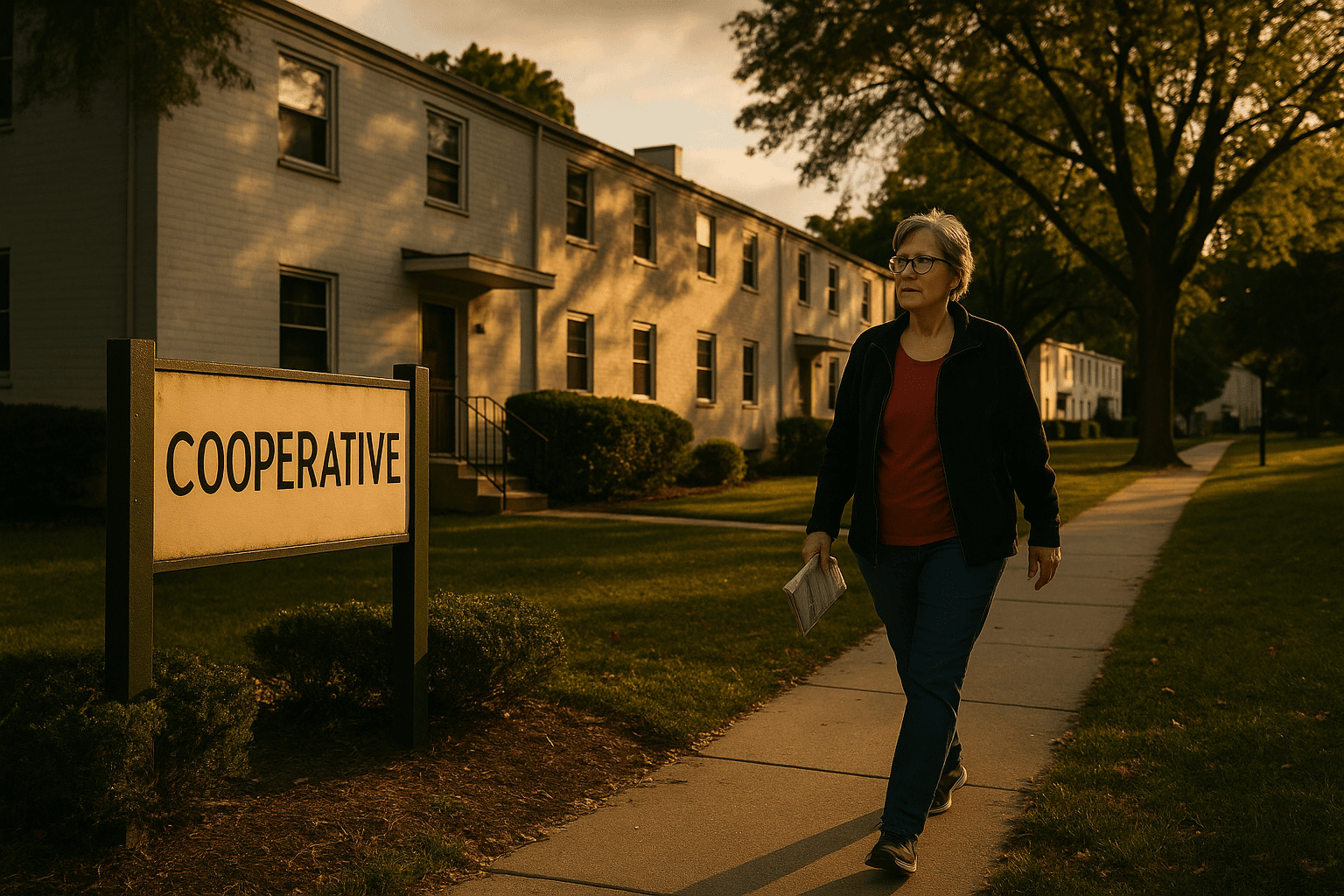
For Prince George’s County leaders and planners, Greenbelt raises concrete policy questions. Preserving cooperative housing and community run services requires compatible zoning, targeted investment and technical support for cooperatives. Protection of the historic district intersects with housing affordability objectives, creating trade offs that demand clear policy alignment. Supporting community tool libraries and maker spaces can broaden workforce development, while backing cooperative grocery and pharmacy models can improve access to affordable essentials in other municipalities.
Greenbelt’s experience also informs civic engagement strategies across the county. Longstanding traditions of participatory governance and volunteer led services demonstrate how institutional capacity built from the ground up can complement formal government programs. As county officials consider housing, land use and economic development in the years ahead, Greenbelt offers an operational example of how cooperative institutions can preserve affordability, cultivate civic energy and sustain neighborhood resilience.
Sources:
Know something we missed? Have a correction or additional information?
Submit a Tip